

Nelsapy – General Knowledge Series
Introduction
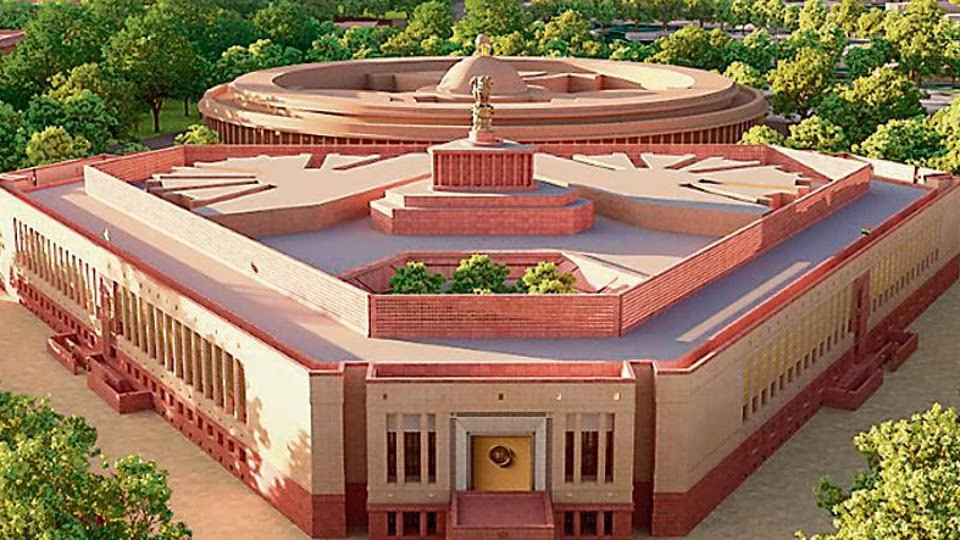
The Parliament of India is the supreme legislative institution of the country and the cornerstone of its parliamentary democracy. It represents the people of India, makes laws, approves government expenditure, discusses national issues and holds the executive accountable.
The Indian Parliament consists of three components: the President of India, the Lok Sabha (House of the People) and the Rajya Sabha (Council of States).
The Constitution of India provides the framework for the composition, powers, functions and procedures of Parliament. Understanding Parliament is essential for students, competitive examination candidates and anyone interested in Indian politics and democracy.
This collection contains 125 multiple-choice GK questions covering the history, structure, composition, powers, functions, officers, sessions, parliamentary procedures, committees and important constitutional provisions relating to the Indian Parliament.
Instructions
- Read each question carefully.
- Choose the correct answer from the four options.
- Attempt all 125 questions before checking the answer key.
- Each question carries one mark.
- The complete answer key is provided at the end.
Section 1: Introduction and Structure of Parliament
1. Which article of the Indian Constitution provides for the Parliament of India?
A) Article 52
B) Article 79
C) Article 100
D) Article 124
2. The Indian Parliament consists of how many components?
A) One
B) Two
C) Three
D) Four
3. Which of the following is NOT a component of the Indian Parliament?
A) President
B) Lok Sabha
C) Rajya Sabha
D) Supreme Court
4. What is the Lower House of the Indian Parliament called?
A) Rajya Sabha
B) Lok Sabha
C) Vidhan Parishad
D) Legislative Council
5. What is the Upper House of the Indian Parliament called?
A) Lok Sabha
B) Rajya Sabha
C) Vidhan Sabha
D) Gram Sabha
6. What is the official name of the Lok Sabha?
A) Council of States
B) House of the People
C) House of Representatives
D) National Council
7. What is the official name of the Rajya Sabha?
A) House of the People
B) Council of States
C) National Assembly
D) Legislative Council
8. Which House of Parliament represents the states and Union Territories?
A) Lok Sabha
B) Rajya Sabha
C) Both Houses equally
D) Neither House
9. Which House of Parliament is directly elected by the people?
A) Rajya Sabha
B) Lok Sabha
C) Both Houses
D) Neither House
10. Where is the Parliament House of India located?
A) Mumbai
B) Kolkata
C) New Delhi
D) Chennai
11. What is the minimum age required to become a member of the Lok Sabha?
A) 18 years
B) 21 years
C) 25 years
D) 30 years
12. What is the minimum age required to become a member of the Rajya Sabha?
A) 21 years
B) 25 years
C) 30 years
D) 35 years
13. Which article specifies the composition of the Rajya Sabha?
A) Article 79
B) Article 80
C) Article 81
D) Article 85
14. Which article deals with the composition of the Lok Sabha?
A) Article 80
B) Article 81
C) Article 82
D) Article 83
15. Which House of Parliament is a permanent body?
A) Lok Sabha
B) Rajya Sabha
C) Both Houses
D) Neither House
Section 2: Lok Sabha – House of the People
16. What is the normal term of the Lok Sabha?
A) Four years
B) Five years
C) Six years
D) Seven years
17. Who presides over the meetings of the Lok Sabha?
A) President
B) Prime Minister
C) Speaker
D) Vice-President
18. Who was the first Speaker of the Lok Sabha?
A) G. V. Mavalankar
B) M. A. Ayyangar
C) Hukam Singh
D) Neelam Sanjiva Reddy
19. Who appoints the Speaker of the Lok Sabha?
A) President
B) Prime Minister
C) Members of the Lok Sabha elect the Speaker
D) Chief Justice of India
20. Who elects the Deputy Speaker of the Lok Sabha?
A) President
B) Members of the Lok Sabha
C) Prime Minister
D) Members of the Rajya Sabha
21. Can the Lok Sabha be dissolved before completing its normal term?
A) No, never
B) Yes
C) Only by the Supreme Court
D) Only by the Election Commission
22. Who normally advises the President on the dissolution of the Lok Sabha?
A) Chief Justice
B) Prime Minister and Council of Ministers
C) Speaker alone
D) Election Commission
23. What is the maximum strength of the Lok Sabha provided by the Constitution as it stands today?
A) 545
B) 550
C) 552
D) 560
24. How many elected members can the Lok Sabha have from states under the constitutional provision?
A) 530
B) 540
C) 550
D) 552
25. How many elected members can represent Union Territories in the Lok Sabha?
A) 10
B) 15
C) 20
D) 25
26. Who was the first woman Speaker of the Lok Sabha?
A) Indira Gandhi
B) Meira Kumar
C) Sumitra Mahajan
D) Pratibha Patil
27. Which article deals with the duration of the Lok Sabha and Rajya Sabha?
A) Article 80
B) Article 81
C) Article 83
D) Article 85
28. What happens to the Lok Sabha during a National Emergency?
A) It is automatically dissolved
B) Its term may be extended by Parliament under constitutional provisions
C) It ceases to function permanently
D) The President becomes its Speaker
29. Who decides whether a member has resigned from the Lok Sabha voluntarily and genuinely?
A) President
B) Speaker
C) Prime Minister
D) Chief Election Commissioner
30. Which House has the exclusive power to remove its Speaker?
A) Rajya Sabha
B) Lok Sabha
C) Both Houses jointly
D) President
Section 3: Rajya Sabha – Council of States
31. Which House of Parliament is known as the permanent House?
A) Lok Sabha
B) Rajya Sabha
C) Both Houses
D) Neither House
32. What is the term of a Rajya Sabha member?
A) Four years
B) Five years
C) Six years
D) Seven years
33. How many Rajya Sabha members retire every two years?
A) One-fourth
B) One-third
C) One-half
D) Two-thirds
34. Who is the ex-officio Chairman of the Rajya Sabha?
A) President
B) Prime Minister
C) Vice-President
D) Speaker of Lok Sabha
35. Who presides over the Rajya Sabha in the absence of the Chairman?
A) President
B) Deputy Chairman
C) Prime Minister
D) Speaker of Lok Sabha
36. Who elects the Deputy Chairman of the Rajya Sabha?
A) President
B) Members of the Rajya Sabha
C) Lok Sabha
D) Prime Minister
37. What is the maximum constitutional strength of the Rajya Sabha?
A) 200
B) 238
C) 245
D) 250
38. How many members can be nominated to the Rajya Sabha by the President?
A) 10
B) 12
C) 15
D) 20
39. Nominated members of the Rajya Sabha are selected from which fields?
A) Literature, science, art and social service
B) Military service only
C) Business only
D) Sports only
40. Which House of Parliament cannot be dissolved?
A) Lok Sabha
B) Rajya Sabha
C) Both Houses
D) Neither House
41. Who was the first Chairman of the Rajya Sabha?
A) Dr. Rajendra Prasad
B) Dr. S. Radhakrishnan
C) Zakir Husain
D) V. V. Giri
42. Which article provides for the nomination of members to the Rajya Sabha?
A) Article 79
B) Article 80
C) Article 81
D) Article 83
43. Which House has special powers concerning the creation of new All India Services?
A) Lok Sabha
B) Rajya Sabha
C) Both Houses jointly
D) State Legislative Assemblies only
44. Which article gives the Rajya Sabha the power to authorise Parliament to legislate on a State List subject in the national interest?
A) Article 249
B) Article 250
C) Article 252
D) Article 356
45. Which House can initiate the removal of the Vice-President of India?
A) Lok Sabha only
B) Rajya Sabha only
C) Either House
D) Supreme Court
Section 4: Parliamentary Officers and Leadership
46. Who is the constitutional head of the Indian Union and a component of Parliament?
A) Prime Minister
B) President
C) Chief Justice
D) Speaker
47. Who appoints the Prime Minister of India?
A) Lok Sabha Speaker
B) President
C) Chief Justice
D) Vice-President
48. Who is the leader of the Council of Ministers?
A) President
B) Prime Minister
C) Vice-President
D) Speaker
49. Who is the presiding officer of the Lok Sabha?
A) Chairman
B) Speaker
C) President
D) Prime Minister
50. Who is the presiding officer of the Rajya Sabha?
A) Speaker
B) Vice-President
C) President
D) Prime Minister
51. Who administers the oath of office to the President of India?
A) Prime Minister
B) Vice-President
C) Chief Justice of India
D) Speaker of Lok Sabha
52. Who is responsible for maintaining order and discipline in the Lok Sabha?
A) Prime Minister
B) Speaker
C) President
D) Cabinet Secretary
53. Who is the principal adviser to the Speaker of the Lok Sabha on parliamentary procedure?
A) Attorney General
B) Secretary-General of the Lok Sabha
C) Finance Secretary
D) Chief Election Commissioner
54. Who is the leader of the Opposition in the Lok Sabha?
A) The Prime Minister
B) A member of the largest opposition party who is recognised under applicable rules and law
C) The President
D) The Speaker
55. Which official is the highest law officer of the Government of India and can participate in parliamentary proceedings without voting?
A) Solicitor General
B) Attorney General of India
C) Chief Justice
D) Cabinet Secretary
Section 5: Powers and Functions of Parliament
56. What is the primary legislative function of Parliament?
A) Conducting court trials
B) Making laws
C) Appointing state governors directly
D) Conducting elections
57. Who has the power to summon either House of Parliament?
A) Prime Minister
B) President
C) Speaker
D) Chief Justice
58. Which article deals with sessions of Parliament and its prorogation and dissolution?
A) Article 79
B) Article 85
C) Article 100
D) Article 110
59. What is the maximum permissible interval between two sessions of Parliament?
A) Three months
B) Four months
C) Six months
D) One year
60. Which House has greater control over the Council of Ministers?
A) Rajya Sabha
B) Lok Sabha
C) Both Houses equally
D) Neither House
61. The Council of Ministers is collectively responsible to which House?
A) Rajya Sabha
B) Lok Sabha
C) Supreme Court
D) President alone
62. Which motion can bring down the Council of Ministers if passed?
A) Adjournment Motion
B) No-Confidence Motion
C) Calling Attention Motion
D) Privilege Motion
63. Which House can introduce a No-Confidence Motion against the Union Council of Ministers?
A) Rajya Sabha
B) Lok Sabha
C) Both Houses
D) Supreme Court
64. Which of the following is a financial function of Parliament?
A) Approving the Union Budget
B) Appointing judges directly
C) Conducting police investigations
D) Managing municipal elections
65. Which article deals with the annual financial statement, commonly known as the Union Budget?
A) Article 108
B) Article 110
C) Article 112
D) Article 123
Section 6: Bills and Legislative Procedures
66. What is a Bill?
A) A court judgment
B) A proposal for a law
C) An election result
D) A government advertisement
67. In which House can an ordinary Bill be introduced?
A) Lok Sabha only
B) Rajya Sabha only
C) Either House
D) Supreme Court
68. In which House can a Money Bill be introduced?
A) Lok Sabha only
B) Rajya Sabha only
C) Either House
D) Joint sitting only
69. Who certifies whether a Bill is a Money Bill?
A) President
B) Prime Minister
C) Speaker of the Lok Sabha
D) Finance Minister
70. Which article defines a Money Bill?
A) Article 108
B) Article 110
C) Article 112
D) Article 123
71. How long can the Rajya Sabha delay a Money Bill?
A) 7 days
B) 14 days
C) 30 days
D) 6 months
72. What happens if the Rajya Sabha does not return a Money Bill within 14 days?
A) The Bill is rejected
B) The Bill is deemed passed by both Houses in the form passed by Lok Sabha
C) The Bill is automatically withdrawn
D) A joint sitting is called
73. Who gives final assent to a Bill passed by Parliament?
A) Prime Minister
B) President
C) Chief Justice
D) Speaker
74. Can the President return a Money Bill for reconsideration?
A) Yes, always
B) No
C) Only during an Emergency
D) Only after approval by the Supreme Court
75. Which article provides for a joint sitting of both Houses of Parliament in certain circumstances?
A) Article 100
B) Article 108
C) Article 110
D) Article 112
76. Who normally presides over a joint sitting of Parliament?
A) President
B) Vice-President
C) Speaker of Lok Sabha
D) Prime Minister
77. In which circumstances can a joint sitting of Parliament be called?
A) For every Money Bill
B) To resolve certain deadlocks over ordinary Bills
C) To pass every Constitutional Amendment Bill
D) To elect the President
78. Can a Constitutional Amendment Bill be passed through a joint sitting?
A) Yes, always
B) No
C) Only with presidential permission
D) Only during a National Emergency
79. Which type of Bill can be introduced only in the Lok Sabha?
A) Ordinary Bill
B) Money Bill
C) Private Member’s Bill
D) Constitutional Amendment Bill
80. Which Bill deals with taxation, borrowing and expenditure from the Consolidated Fund of India, subject to constitutional definitions?
A) Money Bill
B) Ordinary Bill
C) Private Member’s Bill
D) State Bill
Section 7: Parliamentary Sessions and Procedures
81. How many regular parliamentary sessions are traditionally held in a year?
A) One
B) Two
C) Three
D) Four
82. Which is generally the first parliamentary session of the year?
A) Monsoon Session
B) Winter Session
C) Budget Session
D) Special Session
83. Which session usually takes place during July and August?
A) Budget Session
B) Monsoon Session
C) Winter Session
D) Joint Session
84. Which session is generally held towards the end of the year?
A) Budget Session
B) Monsoon Session
C) Winter Session
D) Emergency Session
85. What is Question Hour in Parliament?
A) Time for asking questions to ministers
B) Time for judicial hearings
C) Time for elections
D) Time for private meetings
86. What is Zero Hour?
A) A period for raising matters of urgent public importance
B) A formal constitutional session
C) A voting period for the President
D) A time for judicial appointments
87. Which parliamentary device is used to discuss a matter of urgent public importance by interrupting normal business, subject to rules?
A) Adjournment Motion
B) Money Bill
C) Finance Bill
D) Constitutional Amendment
88. What is a quorum in Parliament?
A) Total number of ministers
B) Minimum number of members required to conduct a sitting
C) Number of opposition members
D) Number of bills introduced
89. What is the quorum for a sitting of either House of Parliament?
A) One-fifth of total membership
B) One-tenth of total membership
C) One-third of total membership
D) Half of total membership
90. Which article deals with the quorum in Parliament?
A) Article 85
B) Article 100
C) Article 110
D) Article 123
Section 8: Parliamentary Committees
91. What is the main purpose of Parliamentary Committees?
A) To replace the Supreme Court
B) To examine matters in detail and assist Parliament
C) To conduct general elections
D) To appoint state governors
92. Which committee examines the reports of the Comptroller and Auditor General?
A) Public Accounts Committee
B) Estimates Committee
C) Business Advisory Committee
D) Rules Committee
93. Which committee examines government expenditure and suggests economies in public spending?
A) Public Accounts Committee
B) Estimates Committee
C) Ethics Committee
D) Privileges Committee
94. Which committee examines the work and performance of public sector undertakings?
A) Public Accounts Committee
B) Committee on Public Undertakings
C) Estimates Committee
D) Business Advisory Committee
95. Who chairs the Public Accounts Committee?
A) Prime Minister
B) A member appointed by the Speaker
C) President
D) Finance Minister
96. Which committee is generally chaired by a member of the Opposition by convention?
A) Public Accounts Committee
B) Business Advisory Committee
C) Cabinet Committee
D) Committee on Privileges
97. Which committee recommends the allocation of time for government business in the Lok Sabha?
A) Business Advisory Committee
B) Public Accounts Committee
C) Estimates Committee
D) Ethics Committee
98. Which committee examines the ethical conduct of members of Parliament?
A) Ethics Committee
B) Finance Commission
C) Election Commission
D) Cabinet Committee
99. Which committee considers questions of breach of parliamentary privilege?
A) Committee on Privileges
B) Estimates Committee
C) Public Accounts Committee
D) Rules Committee
100. Which committee examines the financial estimates of various ministries and departments?
A) Estimates Committee
B) Ethics Committee
C) Committee on Petitions
D) Committee on Privileges
Section 9: Constitutional Powers and Special Provisions
101. Which House has the exclusive power to approve the creation of a new All India Service under Article 312?
A) Lok Sabha
B) Rajya Sabha
C) Both Houses jointly
D) State Assemblies
102. Which article empowers Parliament to legislate on a State List subject in the national interest following a Rajya Sabha resolution?
A) Article 249
B) Article 250
C) Article 252
D) Article 356
103. Which House can initiate the impeachment process against the President of India?
A) Lok Sabha only
B) Rajya Sabha only
C) Either House
D) Supreme Court
104. Which article deals with the impeachment of the President?
A) Article 56
B) Article 61
C) Article 72
D) Article 74
105. Which House has the power to initiate the removal of the Vice-President?
A) Lok Sabha
B) Rajya Sabha
C) Either House
D) State Legislative Assemblies
106. Which article provides for the removal of the Vice-President?
A) Article 61
B) Article 67
C) Article 72
D) Article 80
107. Which House participates in the election of the President of India?
A) Elected members of both Houses
B) Only Lok Sabha members
C) Only Rajya Sabha members
D) Nominated members of both Houses
108. Which House participates in the election of the Vice-President of India?
A) Only Lok Sabha
B) Only Rajya Sabha
C) Members of both Houses of Parliament
D) State Legislative Assemblies only
109. Which article deals with the amendment of the Constitution by Parliament?
A) Article 32
B) Article 110
C) Article 356
D) Article 368
110. Which type of majority is required for most Constitutional Amendment Bills?
A) Simple majority only
B) Special majority
C) Unanimous vote of all members
D) Two-thirds of state legislatures in every case
Section 10: Historical Facts and Important Developments
111. When did the first Lok Sabha come into existence?
A) 1947
B) 1950
C) 1952
D) 1956
112. When was the first session of the Rajya Sabha held?
A) 1950
B) 1952
C) 1955
D) 1957
113. Who was the first Prime Minister of India?
A) Sardar Vallabhbhai Patel
B) Jawaharlal Nehru
C) Lal Bahadur Shastri
D) Morarji Desai
114. Who was the first woman member of the Lok Sabha?
A) Sucheta Kripalani
B) Ammu Swaminathan
C) Vijaya Lakshmi Pandit
D) Indira Gandhi
115. Which woman became the first Speaker of the Lok Sabha?
A) Pratibha Patil
B) Meira Kumar
C) Sumitra Mahajan
D) Sarojini Naidu
116. Which building housed the Parliament of India before the new Parliament building was inaugurated?
A) Rashtrapati Bhavan
B) Old Parliament House
C) India Gate
D) Supreme Court Building
117. Who inaugurated the new Parliament building in 2023?
A) President Droupadi Murmu
B) Prime Minister Narendra Modi
C) Vice-President Jagdeep Dhankhar
D) Speaker Om Birla
118. On which date was the new Parliament building inaugurated?
A) 15 August 2022
B) 26 January 2023
C) 28 May 2023
D) 15 August 2023
119. Which Constitutional Amendment ended the provision for Anglo-Indian nominated members in the Lok Sabha and State Legislative Assemblies?
A) 101st Amendment
B) 102nd Amendment
C) 103rd Amendment
D) 104th Amendment
120. Which article provides for the special representation of the Anglo-Indian community in the Lok Sabha through nomination, a provision that has now ceased to operate?
A) Article 330
B) Article 331
C) Article 332
D) Article 334
Section 11: General Awareness About Parliament
121. What is the term used when a parliamentary sitting is temporarily suspended without ending the session?
A) Dissolution
B) Adjournment
C) Prorogation
D) Impeachment
122. What is prorogation?
A) Ending a session of Parliament
B) Dissolving the Lok Sabha
C) Removing the Speaker
D) Rejecting a Bill
123. Which House controls the Council of Ministers through collective responsibility?
A) Rajya Sabha
B) Lok Sabha
C) Supreme Court
D) Election Commission
124. What is a Private Member’s Bill?
A) A Bill introduced by a minister
B) A Bill introduced by a member who is not a minister
C) A Bill introduced by the President
D) A Bill introduced by a state governor
125. What is the ultimate role of Parliament in Indian democracy?
A) To establish military rule
B) To represent the people, make laws and hold the government accountable
C) To control the judiciary
D) To replace state governments
Answer Key – Parliament of India GK
Answers to all 125 questions
| No. | Correct Answer | No. | Correct Answer |
|—:|—|—:|—|
| 1 | B – Article 79 | 2 | C – Three |
| 3 | D – Supreme Court | 4 | B – Lok Sabha |
| 5 | B – Rajya Sabha | 6 | B – House of the People |
| 7 | B – Council of States | 8 | B – Rajya Sabha |
| 9 | B – Lok Sabha | 10 | C – New Delhi |
| 11 | C – 25 years | 12 | C – 30 years |
| 13 | B – Article 80 | 14 | B – Article 81 |
| 15 | B – Rajya Sabha | 16 | B – Five years |
| 17 | C – Speaker | 18 | A – G. V. Mavalankar |
| 19 | C – Elected by Lok Sabha members | 20 | B – Members of Lok Sabha |
| 21 | B – Yes | 22 | B – Prime Minister and Council of Ministers |
| 23 | B – 550 | 24 | A – 530 |
| 25 | C – 20 | 26 | B – Meira Kumar |
| 27 | C – Article 83 | 28 | B – Its term may be extended |
| 29 | B – Speaker | 30 | B – Lok Sabha |
| 31 | B – Rajya Sabha | 32 | C – Six years |
| 33 | B – One-third | 34 | C – Vice-President |
| 35 | B – Deputy Chairman | 36 | B – Members of Rajya Sabha |
| 37 | D – 250 | 38 | B – 12 |
| 39 | A – Literature, science, art and social service | 40 | B – Rajya Sabha |
| 41 | B – Dr. S. Radhakrishnan | 42 | B – Article 80 |
| 43 | B – Rajya Sabha | 44 | A – Article 249 |
| 45 | B – Rajya Sabha | 46 | B – President |
| 47 | B – President | 48 | B – Prime Minister |
| 49 | B – Speaker | 50 | B – Vice-President |
| 51 | C – Chief Justice of India | 52 | B – Speaker |
| 53 | B – Secretary-General of Lok Sabha | 54 | B – Recognised opposition party member |
| 55 | B – Attorney General of India | 56 | B – Making laws |
| 57 | B – President | 58 | B – Article 85 |
| 59 | C – Six months | 60 | B – Lok Sabha |
| 61 | B – Lok Sabha | 62 | B – No-Confidence Motion |
| 63 | B – Lok Sabha | 64 | A – Approving the Union Budget |
| 65 | C – Article 112 | 66 | B – Proposal for a law |
| 67 | C – Either House | 68 | A – Lok Sabha only |
| 69 | C – Speaker of Lok Sabha | 70 | B – Article 110 |
| 71 | B – 14 days | 72 | B – Deemed passed in Lok Sabha’s form |
| 73 | B – President | 74 | B – No |
| 75 | B – Article 108 | 76 | C – Speaker of Lok Sabha |
| 77 | B – Resolve certain deadlocks over ordinary Bills | 78 | B – No |
| 79 | B – Money Bill | 80 | A – Money Bill |
| 81 | C – Three | 82 | C – Budget Session |
| 83 | B – Monsoon Session | 84 | C – Winter Session |
| 85 | A – Asking questions to ministers | 86 | A – Raising urgent public matters |
| 87 | A – Adjournment Motion | 88 | B – Minimum members required |
| 89 | B – One-tenth | 90 | B – Article 100 |
| 91 | B – Detailed examination of matters | 92 | A – Public Accounts Committee |
| 93 | B – Estimates Committee | 94 | B – Committee on Public Undertakings |
| 95 | B – Member appointed by Speaker | 96 | A – Public Accounts Committee |
| 97 | A – Business Advisory Committee | 98 | A – Ethics Committee |
| 99 | A – Committee on Privileges | 100 | A – Estimates Committee |
| 101 | B – Rajya Sabha | 102 | A – Article 249 |
| 103 | C – Either House | 104 | B – Article 61 |
| 105 | B – Rajya Sabha | 106 | B – Article 67 |
| 107 | A – Elected members of both Houses | 108 | C – Members of both Houses |
| 109 | D – Article 368 | 110 | B – Special majority |
| 111 | C – 1952 | 112 | B – 1952 |
| 113 | B – Jawaharlal Nehru | 114 | B – Ammu Swaminathan |
| 115 | B – Meira Kumar | 116 | B – Old Parliament House |
| 117 | B – Prime Minister Narendra Modi | 118 | C – 28 May 2023 |
| 119 | D – 104th Amendment | 120 | B – Article 331 |
| 121 | B – Adjournment | 122 | A – Ending a session |
| 123 | B – Lok Sabha | 124 | B – Bill introduced by a non-minister |
| 125 | B – Represent the people, make laws and hold government accountable | |
Important Facts to Remember
- Article 79: Constitution of Parliament.
- Article 80: Composition of Rajya Sabha.
- Article 81: Composition of Lok Sabha.
- Article 83: Duration of Houses of Parliament.
- Article 85: Sessions of Parliament.
- Article 100: Voting and quorum.
- Article 108: Joint sitting of Parliament.
- Article 110: Definition of Money Bill.
- Article 112: Annual Financial Statement (Union Budget).
- Article 123: President’s ordinance-making power.
- Article 249: Parliament’s power to legislate on State List matters in the national interest.
- Article 312: Creation of All India Services.
- Article 368: Constitutional amendment procedure.
- Lok Sabha: House of the People.
- Rajya Sabha: Council of States.
- Lok Sabha term: Normally five years.
- Rajya Sabha term: Six years for each member.
- Rajya Sabha: Permanent House.
- Minimum age for Lok Sabha: 25 years.
- Minimum age for Rajya Sabha: 30 years.
Concluding Comment
The Parliament of India is the foundation of representative democracy. It provides a platform for public debate, national decision-making, lawmaking and accountability.
Both the Lok Sabha and Rajya Sabha play essential roles in protecting democratic values and ensuring that the government functions within the framework of the Constitution.
Understanding Parliament helps citizens become more informed about their government, their representatives and the democratic institutions that shape the future of India.
A strong Parliament is essential for a strong democracy.
Public Note
This GK collection is prepared for students, teachers, competitive examination candidates, quiz participants and general readers.
The questions are intended for educational and general awareness purposes. Parliamentary composition, rules and procedures may change through constitutional amendments, legislation and parliamentary rules. Readers preparing for competitive examinations should refer to the latest official publications of the Lok Sabha, Rajya Sabha and Government of India.
NELSAPY | GENERAL KNOWLEDGE SERIES
Learn More. Know More. Grow More.
Explore more educational resources, Indian polity questions and general knowledge collections at Nelsapy.com.
Leave a Reply