

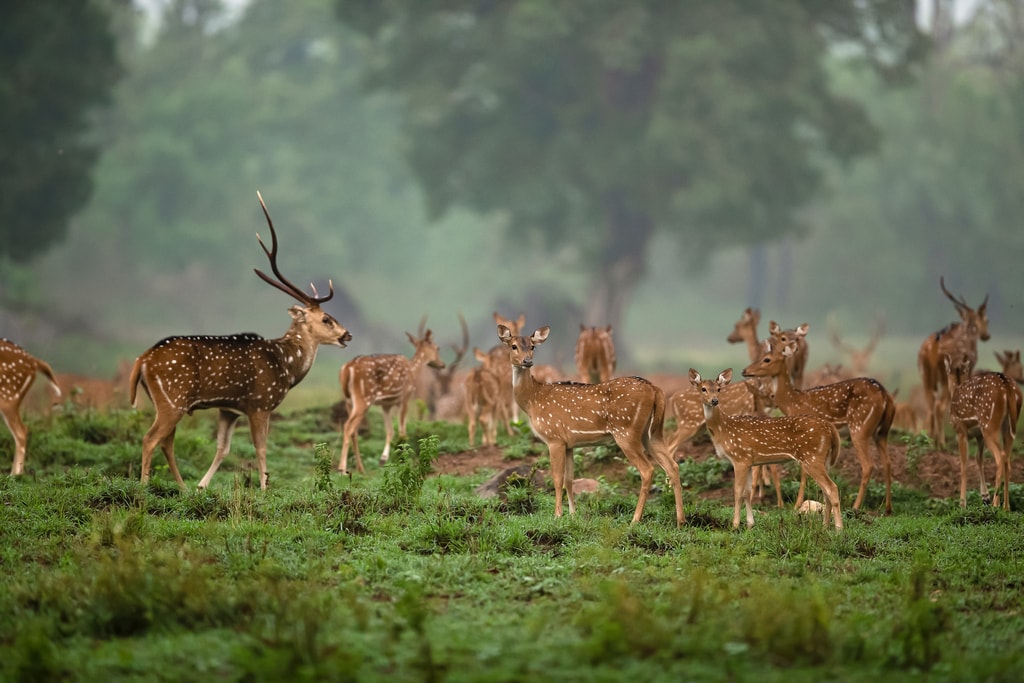
🌳 100 GK Questions About Indian National Parks
Explore India’s wildlife, forests, biodiversity hotspots and protected areas through 100 general knowledge questions.
Perfect for students, competitive examinations, quiz competitions and nature enthusiasts.
📖 Introduction
India’s national parks protect some of the world’s most remarkable natural habitats, from Himalayan mountains and tropical rainforests to mangrove forests, grasslands and marine ecosystems. They provide important refuges for tigers, elephants, rhinoceroses, lions, rare deer and countless bird species.
This collection of 100 Indian National Parks GK questions covers important parks, their locations, famous animals, geographical features, conservation programmes and wildlife-related facts.
🎯 Indian National Parks Quiz
📚 Complete Answer Key: All 100 Questions
Use this answer key for quick revision after attempting the questions.
🌿 Why Are National Parks Important?
- They conserve endangered plants and animals.
- They protect forests, wetlands, grasslands, mountains and marine ecosystems.
- They support scientific research, environmental education and biodiversity monitoring.
- They help preserve habitats and maintain ecological balance.
- They encourage responsible nature tourism and awareness of conservation.
❓ Frequently Asked Questions
Which was India’s first national park?
Jim Corbett National Park in Uttarakhand, established in 1936 as Hailey National Park.
Which national park is famous for the Asiatic lion?
Gir National Park in Gujarat.
Which national park is famous for the one-horned rhinoceros?
Kaziranga National Park in Assam is especially famous for the greater one-horned rhinoceros.
Which national park is known for the Sangai deer?
Keibul Lamjao National Park in Manipur, associated with Loktak Lake and its floating vegetation.
Where can visitors find Eravikulam National Park?
In Kerala’s Western Ghats, near Munnar. It is famous for the Nilgiri tahr.
🔗 References for Further Reading
For exam preparation, verify changing park counts, boundaries, official names and conservation status using authoritative sources.
- Wildlife Institute of India – National Parks Database
- Environmental Information, Awareness, Capacity Building and Livelihood Programme (MoEFCC)
- Incredible India – Official Tourism Portal
- National Tiger Conservation Authority
Editorial note: National park counts and administrative classifications may change. Some questions refer to the best-known or historically established association of a park with a species; they do not imply that the species occurs exclusively there.
Leave a Reply