

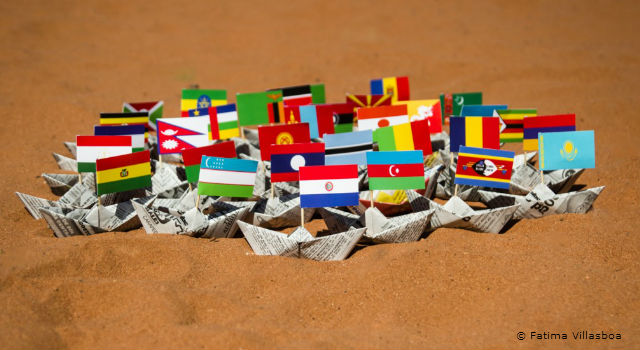
Why August 6 Matters for the World’s 32 Landlocked Developing Countries
Every year on August 6, the world observes the International Day of Awareness of the Special Development Needs and Challenges of Landlocked Developing Countries (LLDCs). Established by the United Nations General Assembly and first observed in 2025, this international day highlights the unique economic, social, and environmental challenges faced by countries that have no direct access to the sea. It also calls for stronger global partnerships to help these nations achieve sustainable development and greater participation in the global economy. (UN Official Document System)
Although being landlocked is a geographical reality, it should not become a barrier to prosperity. This observance reminds governments, businesses, international organizations, and citizens that geography should never determine a nation’s destiny.
What Are Landlocked Developing Countries (LLDCs)?
Landlocked Developing Countries (LLDCs) are nations that lack direct territorial access to the sea. As a result, they depend on neighboring transit countries to move goods to and from international markets through ports.
Currently, there are 32 LLDCs spread across Africa, Asia, Europe, and South America, home to more than 600 million people. Many of these countries also face poverty, limited industrialization, inadequate infrastructure, and vulnerability to climate change. (United Nations)
Distribution of LLDCs
- Africa: 16 countries
- Asia: 10 countries
- Europe: 4 countries
- South America: 2 countries
Examples include:
- Afghanistan
- Bhutan
- Nepal
- Ethiopia
- Zambia
- Zimbabwe
- Uganda
- Rwanda
- Kazakhstan
- Paraguay
- Bolivia
- Mali
- Niger
- Chad
Why Does Being Landlocked Matter?
For most countries, access to the sea provides an efficient gateway for international trade. Ports connect producers with global markets, reduce transportation costs, and encourage foreign investment.
Landlocked countries, however, face additional hurdles:
Higher Transport Costs
Goods must cross one or more international borders before reaching a seaport. This significantly increases shipping expenses.
On average, transport costs in LLDCs are more than twice those of neighboring coastal countries. (United Nations)
Longer Delivery Times
Every border crossing may involve customs procedures, inspections, documentation, and delays, making exports less competitive.
Dependence on Transit Countries
Political instability, conflicts, strikes, or policy changes in neighboring countries can disrupt trade routes.
Limited Foreign Investment
Investors often prefer locations with easier access to global markets, making it harder for LLDCs to attract manufacturing and export-oriented industries.
Reduced Economic Growth
Higher costs and logistical challenges can slow industrialization, job creation, and economic diversification.
Why the United Nations Created This Day
Recognizing these persistent challenges, the United Nations General Assembly proclaimed 6 August as the International Day of Awareness of the Special Development Needs and Challenges of Landlocked Developing Countries.
The day seeks to:
- Raise global awareness.
- Encourage international cooperation.
- Promote investment in transport and infrastructure.
- Improve regional connectivity.
- Support sustainable development.
- Ensure LLDCs are not left behind in achieving the Sustainable Development Goals (SDGs). (UN Official Document System)
The Major Challenges Facing LLDCs
1. Limited Access to Global Markets
Without ports of their own, exports become more expensive and less competitive.
This particularly affects:
- Agricultural products
- Manufactured goods
- Small businesses
- Export industries
2. Poor Infrastructure
Many LLDCs require substantial investment in:
- Highways
- Railways
- Dry ports
- Airports
- Border facilities
- Warehousing
Modern infrastructure can significantly reduce transport costs and improve trade efficiency.
3. Digital Divide
Reliable internet connectivity remains limited in several LLDCs.
Digital infrastructure is essential for:
- Online education
- E-commerce
- Financial inclusion
- Innovation
- Government services
4. Climate Change
Many LLDCs are especially vulnerable to:
- Drought
- Desertification
- Floods
- Food insecurity
- Water scarcity
Climate-related disasters further strain already limited resources.
5. Poverty and Inequality
Many LLDCs experience:
- High unemployment
- Low industrial growth
- Limited healthcare
- Educational challenges
- Youth migration
Addressing these issues requires long-term international partnerships.
Opportunities for Growth
Despite these obstacles, LLDCs possess enormous potential.
Many are rich in:
- Minerals
- Renewable energy resources
- Agricultural land
- Tourism attractions
- Young populations
With improved connectivity and investment, these countries can become regional trade hubs and engines of economic growth.
The Awaza Programme of Action (2024–2034)
A major milestone in supporting LLDCs is the Awaza Programme of Action (2024–2034), adopted by the United Nations to guide international efforts over the coming decade.
Its priorities include:
- Sustainable transport infrastructure
- Trade facilitation
- Regional integration
- Digital transformation
- Climate resilience
- Economic diversification
- Private-sector investment
- Human capital development
The programme builds on earlier initiatives while focusing on practical actions that can improve the lives of millions of people. (United Nations)
The Role of International Cooperation
No country can overcome structural disadvantages alone.
International cooperation is essential through:
- Infrastructure financing
- Technology transfer
- Fair trade policies
- Regional transport agreements
- Capacity building
- Climate adaptation support
Neighboring transit countries also play a crucial role by facilitating efficient and reliable movement of goods.
How Individuals Can Observe LLDC Awareness Day
Although this observance focuses on international development, everyone can contribute by:
- Learning about LLDCs and their challenges.
- Sharing educational resources on social media.
- Supporting fair trade initiatives.
- Encouraging sustainable development efforts.
- Participating in discussions on global inequality.
- Promoting policies that improve connectivity and inclusion.
Awareness is the first step toward meaningful change.
Interesting Facts About LLDCs
- There are 32 Landlocked Developing Countries across four continents. (United Nations)
- More than 600 million people live in LLDCs. (United Nations)
- Kazakhstan is the country farthest from an ocean, located about 3,750 kilometers from the nearest coastline. (United Nations)
- Bhutan is the smallest LLDC by population, while Ethiopia is the largest. (United Nations)
- About 16 of the 32 LLDCs are also classified as Least Developed Countries (LDCs). (United Nations)
Why This Day Matters
The International Day of Awareness of the Special Development Needs and Challenges of Landlocked Developing Countries reminds us that sustainable development is not only about natural resources or economic policies—it is also influenced by geography.
Yet geography should not become destiny.
Through stronger partnerships, smarter infrastructure, technological innovation, and inclusive international cooperation, LLDCs can overcome historical barriers and unlock new opportunities for prosperity.
As the world works toward achieving the Sustainable Development Goals by 2030 and beyond, ensuring that landlocked developing countries are fully connected to global trade, investment, and innovation is essential for creating a more equitable and resilient future.
Conclusion
The International Day of Awareness of the Special Development Needs and Challenges of Landlocked Developing Countries, observed every 6 August, is more than a symbolic observance—it is a global call to action. It highlights the resilience of 32 nations whose development is shaped by geography but not defined by it. By investing in infrastructure, strengthening regional cooperation, expanding digital connectivity, and fostering sustainable partnerships, the international community can help remove barriers that have long limited these countries’ potential. Building a world where every nation has a fair opportunity to grow and prosper is fundamental to achieving inclusive, sustainable development for all. (UN Official Document System)
Leave a Reply