

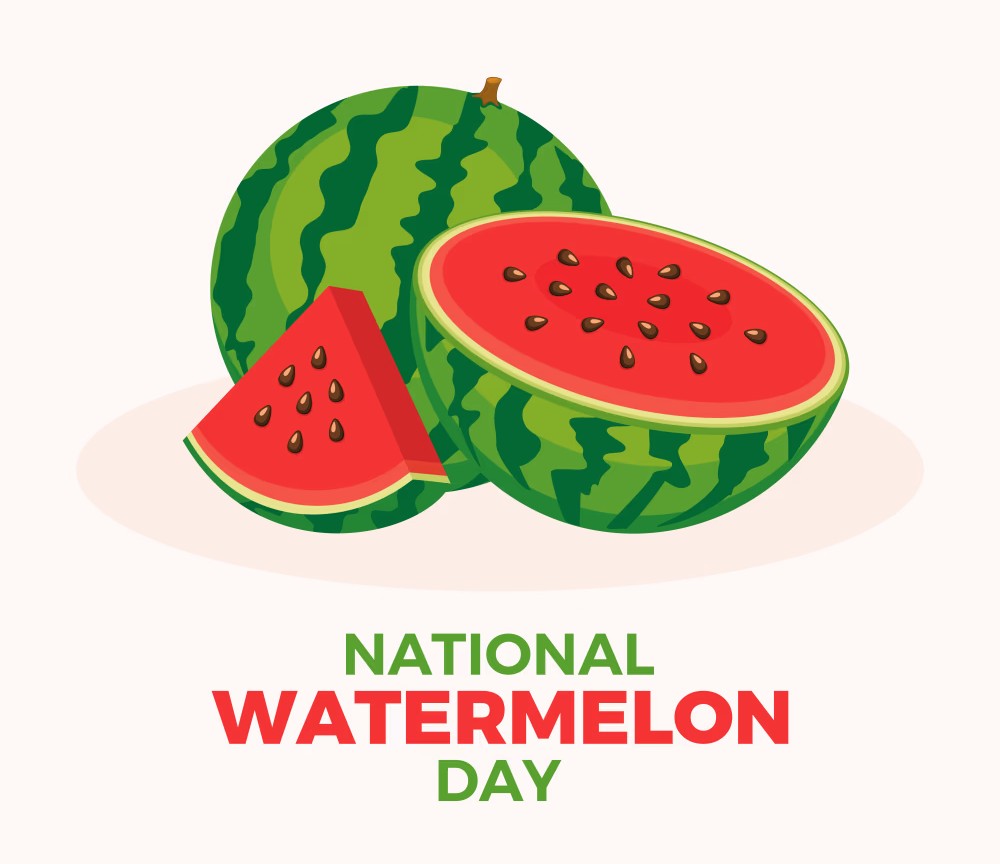
Observed annually on August 3
When the summer sun reaches its peak and temperatures soar, few fruits are as refreshing and satisfying as the watermelon. Juicy, sweet, colorful, and packed with nutrients, watermelon has become a symbol of summer celebrations, family gatherings, picnics, and healthy living. Every year on August 3, people across the United States and many other parts of the world celebrate National Watermelon Day, honoring one of nature’s most beloved fruits.
Although unofficial, the observance has grown in popularity through community events, farmers’ markets, social media, and food festivals, encouraging people to enjoy watermelon in creative ways while appreciating its nutritional value and fascinating history.
What Is National Watermelon Day?
National Watermelon Day is an annual celebration dedicated to one of the world’s oldest cultivated fruits. The day encourages people to:
- Enjoy fresh watermelon.
- Learn about its history and cultivation.
- Explore new watermelon recipes.
- Support local farmers and produce markets.
- Promote healthy eating during the summer months.
Whether enjoyed fresh from the rind, blended into a smoothie, tossed into a salad, or grilled at a barbecue, watermelon is a refreshing reminder of the simple pleasures of seasonal eating.
The History of Watermelon
Watermelon (Citrullus lanatus) has a history that stretches back more than 5,000 years.
Archaeological evidence suggests that watermelon was first cultivated in northeastern Africa, particularly in regions that are now Sudan and Egypt. Ancient Egyptians valued the fruit not only as a source of nourishment but also as a means of hydration during long journeys through the desert. Watermelon seeds have even been discovered in the tomb of the Egyptian pharaoh Tutankhamun, indicating its importance in ancient Egyptian culture.
From Africa, watermelon spread throughout the Mediterranean, the Middle East, Asia, and eventually Europe through trade routes. European explorers later introduced it to the Americas during the sixteenth century, where it quickly became a widely cultivated crop.
Today, watermelon is grown on every continent except Antarctica and is enjoyed by millions of people around the world.
Why Is Watermelon So Popular?
Watermelon has earned its reputation as the quintessential summer fruit for many reasons.
Naturally Refreshing
Composed of approximately 92% water, watermelon is one of the most hydrating fruits available, making it ideal for hot weather.
Sweet Without Being Heavy
Its natural sugars provide a delicious sweetness while remaining relatively low in calories compared to many desserts.
Versatile
Watermelon can be eaten fresh or incorporated into:
- fruit salads,
- smoothies,
- juices,
- frozen treats,
- salsas,
- cocktails and mocktails,
- desserts,
- grilled dishes,
- and even savory recipes featuring cheese and herbs.
Loved by All Ages
Children enjoy its bright color and sweetness, while adults appreciate its refreshing taste and nutritional benefits.
Nutritional Benefits of Watermelon
Watermelon is far more than a delicious summer snack. It is packed with essential nutrients that contribute to overall health.
A typical serving provides:
- Vitamin C, which supports the immune system.
- Vitamin A, important for healthy vision and skin.
- Potassium, which helps regulate blood pressure.
- Magnesium, essential for muscle and nerve function.
- Vitamin B6, which supports brain development and metabolism.
Watermelon is also rich in powerful antioxidants.
Lycopene
The bright red color of watermelon comes from lycopene, a natural antioxidant also found in tomatoes.
Research suggests lycopene may help:
- protect cells from oxidative stress,
- support heart health,
- promote healthy skin,
- and contribute to overall wellness.
Citrulline
Watermelon contains the amino acid citrulline, particularly in the white rind.
Citrulline plays a role in producing nitric oxide, which helps relax blood vessels and supports healthy circulation.
Watermelon Around the World
Watermelon is celebrated in many cultures and cuisines.
Africa
As the fruit’s ancestral home, African countries continue to cultivate numerous traditional varieties.
Asia
China is the world’s largest producer of watermelon, growing millions of tons annually. The fruit is especially popular during the hot summer months and is commonly served as a refreshing dessert.
Europe
Mediterranean countries frequently pair watermelon with cheeses such as feta, creating a delicious balance of sweet and savory flavors.
North America
In the United States and Canada, watermelon is a staple of summer picnics, Independence Day celebrations, county fairs, and family barbecues.
Fun Facts About Watermelon
Watermelon is full of surprises.
- It belongs to the cucurbit family, making it a relative of cucumbers, pumpkins, and squash.
- Botanically, watermelon is considered a type of berry known as a pepo.
- More than 1,200 varieties of watermelon are grown around the world.
- Watermelons come in many shapes, including round, oval, and even square. Square watermelons are grown in Japan by placing young fruits inside cube-shaped containers.
- The flesh may be red, pink, yellow, orange, or even white, depending on the variety.
- Every part of the watermelon—including the rind and seeds—is edible.
- Roasted watermelon seeds are enjoyed as a nutritious snack in many countries.
- Watermelon is naturally fat-free, cholesterol-free, and low in sodium.
Creative Ways to Celebrate National Watermelon Day
There are countless ways to join the celebration.
Enjoy Fresh Watermelon
Nothing beats chilled slices of ripe watermelon on a warm summer afternoon.
Try New Recipes
Experiment with:
- watermelon gazpacho,
- watermelon salsa,
- grilled watermelon,
- watermelon sorbet,
- fruit skewers,
- or watermelon pizza made with yogurt and fresh fruit.
Host a Summer Picnic
Invite family and friends for a picnic featuring fresh seasonal fruits, healthy snacks, and refreshing drinks.
Support Local Farmers
Purchase watermelon from local farms or farmers’ markets to support regional agriculture.
Plant Watermelon
If you enjoy gardening, consider growing your own watermelon during the warm season.
Share the Joy
Post your favorite watermelon recipe or photo on social media using #NationalWatermelonDay to inspire others.
Watermelon in Healthy Living
Because of its high water content and naturally sweet flavor, watermelon is an excellent alternative to sugary snacks and processed desserts.
It can help:
- maintain hydration,
- satisfy sweet cravings,
- support a balanced diet,
- encourage fruit consumption,
- and provide important vitamins and antioxidants.
For athletes and outdoor enthusiasts, watermelon can also be a refreshing post-exercise snack thanks to its water, electrolytes, and natural carbohydrates.
Did You Know?
- Watermelon has been cultivated for more than 5,000 years.
- Ancient Egyptians placed watermelons in royal tombs as provisions for the afterlife.
- China produces more watermelon than any other country.
- The fruit is about 92% water.
- Watermelon comes in red, yellow, orange, pink, and white varieties.
- Even the rind and seeds can be eaten or cooked.
- The world’s heaviest watermelon weighed more than 350 pounds (159 kilograms).
Why National Watermelon Day Matters
National Watermelon Day is about more than enjoying a delicious fruit. It celebrates healthy eating, seasonal agriculture, family traditions, and the simple pleasures of sharing fresh food with others. It also reminds us of the remarkable journey of a fruit that has traveled from the deserts of Africa to dinner tables around the world.
In an age when processed foods often dominate our diets, watermelon stands out as a natural, wholesome, and refreshing choice that brings people together across cultures and generations.
Conclusion
National Watermelon Day is a joyful celebration of one of nature’s sweetest gifts. Rich in history, flavor, and nutrition, watermelon has delighted people for thousands of years and continues to be a favorite summertime treat around the globe. Whether you enjoy it fresh, blended, grilled, or in a creative recipe, August 3 is the perfect opportunity to savor this iconic fruit and appreciate the farmers who bring it from the field to our tables.
So, the next time you bite into a crisp, juicy slice of watermelon, remember that you’re enjoying a fruit with an ancient heritage, remarkable health benefits, and a well-deserved place at the heart of summer celebrations.
Leave a Reply