

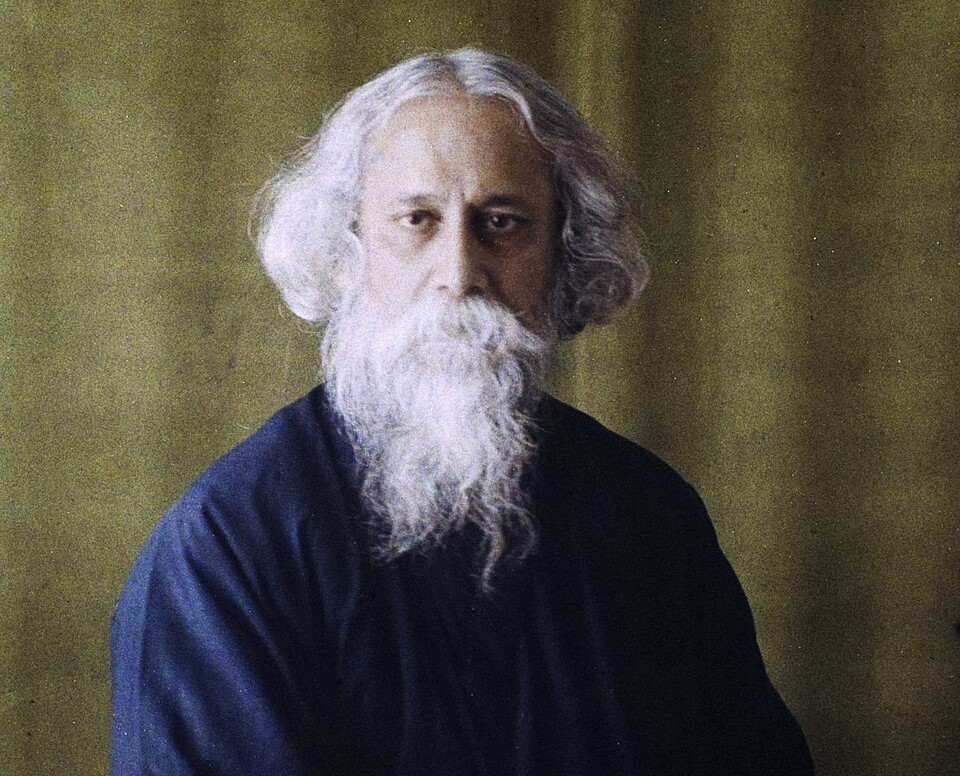
Every year on August 7, admirers across India and around the world remember Rabindranath Tagore, one of history’s greatest poets, philosophers, educators, composers, and humanists. Although there is no official nationwide observance called “Rabindranath Tagore Day” in India, August 7 is widely observed as a day of remembrance because it marks the anniversary of his passing in 1941. On this day, educational institutions, cultural organizations, and literary societies pay tribute to the man whose works continue to inspire generations with their timeless messages of freedom, humanity, and harmony.
The first Asian to receive the Nobel Prize in Literature, Tagore transformed modern Indian literature and left an enduring legacy that transcends national boundaries. His poetry, songs, novels, essays, and educational philosophy continue to influence literature, music, art, and social thought across the globe.
Who Was Rabindranath Tagore?
Rabindranath Tagore (1861–1941) was a Bengali polymath whose remarkable contributions spanned literature, music, painting, philosophy, education, and social reform.
Born on May 7, 1861, in Kolkata (then Calcutta), he belonged to the distinguished Tagore family, known for its contributions to the Bengal Renaissance. From an early age, Tagore displayed extraordinary literary talent, publishing poems as a teenager and eventually becoming one of the world’s most celebrated writers.
Throughout his life, he believed that literature and education should nurture creativity, compassion, and a deep appreciation of nature and humanity.
Why is August 7 Significant?
Rabindranath Tagore passed away on August 7, 1941, at his ancestral home in Kolkata.
His death marked the end of an extraordinary literary journey, but his influence has only grown stronger over time. Every year, admirers gather to:
- Read his poems and essays.
- Sing his songs (Rabindra Sangeet).
- Organize literary discussions.
- Conduct cultural performances.
- Reflect on his philosophy of peace, education, and universal brotherhood.
August 7 serves as an opportunity to celebrate not only Tagore’s achievements but also the enduring relevance of his ideals in today’s world.
The First Asian Nobel Laureate
In 1913, Rabindranath Tagore became the first Asian to receive the Nobel Prize in Literature for his collection of poems, Gitanjali (Song Offerings).
The Nobel Committee praised the spiritual beauty and profound sensitivity of his poetry, which resonated with readers across cultures and languages.
The award brought international recognition to Indian literature and established Tagore as one of the foremost literary figures of the twentieth century.
Literary Contributions
Tagore’s literary output was astonishing.
He wrote:
- More than 2,000 songs
- Thousands of poems
- Novels
- Short stories
- Plays
- Essays
- Travel writings
- Letters
His works explored themes such as:
- Love
- Nature
- Spirituality
- Nationalism
- Freedom
- Human dignity
- Education
- Social justice
Among his most celebrated works are:
- Gitanjali
- Gora
- The Home and the World (Ghare-Baire)
- Kabuliwala
- Chokher Bali
- The Post Office (Dak Ghar)
Rabindra Sangeet: Music for the Soul
Tagore composed over 2,200 songs, collectively known as Rabindra Sangeet.
These songs beautifully blend Indian classical traditions with folk melodies and poetic expression. They continue to be performed across India and Bangladesh during festivals, concerts, educational events, and cultural celebrations.
His music expresses a wide range of emotions—from devotion and patriotism to love, sorrow, and the beauty of nature.
Composer of Two National Anthems
Rabindranath Tagore holds the unique distinction of composing the national anthems of two countries:
- “Jana Gana Mana” – National Anthem of India.
- “Amar Sonar Bangla” – National Anthem of Bangladesh.
This extraordinary achievement reflects the universal appeal of his literary and musical genius.
A Visionary Educator
Tagore believed that education should inspire curiosity rather than rote memorization.
In 1901, he founded a school at Santiniketan, where learning took place in close harmony with nature. This institution later evolved into Visva-Bharati University, envisioned as a global center of learning where cultures from around the world could meet in mutual respect and understanding.
His educational philosophy emphasized:
- Creative thinking
- Arts and literature
- Environmental appreciation
- International understanding
- Holistic development
Tagore and India’s Freedom Movement
Although Tagore supported India’s struggle for freedom, he believed that true independence also required moral, intellectual, and spiritual growth.
In 1919, following the Jallianwala Bagh Massacre, he renounced the knighthood that had been conferred on him by the British Crown, calling the massacre a grave injustice. His act became a powerful symbol of protest and solidarity with the Indian people.
Tagore maintained a lifelong friendship and intellectual dialogue with Mahatma Gandhi, despite their differing views on certain political issues. Their mutual respect enriched India’s intellectual and national discourse.
A Global Thinker
Tagore traveled extensively across Europe, Asia, and the Americas, delivering lectures on education, culture, and peace.
He interacted with many leading thinkers of his time, including:
- Albert Einstein
- W. B. Yeats
- Romain Rolland
- H. G. Wells
His conversations and writings promoted cultural dialogue, international cooperation, and the unity of humanity.
Legacy and Influence
More than eight decades after his passing, Tagore’s influence remains profound.
His legacy continues through:
- Literature and poetry.
- Music and performing arts.
- Educational institutions.
- Cultural festivals.
- Philosophical writings.
- Artistic inspiration across the world.
His works have been translated into dozens of languages, ensuring that his ideas reach readers far beyond India.
How Rabindranath Tagore Day is Observed
Educational and cultural institutions commemorate August 7 through:
- Poetry recitations.
- Rabindra Sangeet performances.
- Literary seminars.
- Art exhibitions.
- Essay competitions.
- Documentary screenings.
- Public lectures on his philosophy and writings.
- Visits to Santiniketan and memorial sites.
Many readers also revisit Gitanjali and other classics to reflect on his timeless wisdom.
Interesting Facts About Rabindranath Tagore
- He was the first Asian Nobel Prize winner in Literature.
- He wrote over 2,000 songs and thousands of poems.
- He composed the national anthems of India and Bangladesh.
- He was also an accomplished painter, beginning his artistic career later in life.
- His educational philosophy influenced modern approaches to holistic learning.
- His works have been translated into numerous languages and studied worldwide.
Memorable Quotes by Rabindranath Tagore
“Faith is the bird that feels the light when the dawn is still dark.”
“You can’t cross the sea merely by standing and staring at the water.”
“Where the mind is without fear and the head is held high.”
“The highest education is that which does not merely give us information but makes our life in harmony with all existence.”
“Love is an endless mystery, because there is no reasonable cause that could explain it.”
Frequently Asked Questions (FAQs)
Why is Rabindranath Tagore remembered on August 7?
August 7 marks the anniversary of his passing in 1941, and many cultural and educational institutions observe the day in remembrance of his life and contributions.
Was Rabindranath Tagore the first Asian Nobel laureate?
Yes. He received the Nobel Prize in Literature in 1913 for Gitanjali, becoming the first Asian Nobel laureate.
Which national anthems did Tagore compose?
He wrote “Jana Gana Mana,” the national anthem of India, and “Amar Sonar Bangla,” the national anthem of Bangladesh.
What is Rabindra Sangeet?
Rabindra Sangeet refers to the collection of more than 2,200 songs composed by Tagore, celebrated for their poetic depth and musical richness.
What was Tagore’s vision for education?
He believed education should cultivate creativity, critical thinking, appreciation of nature, and respect for different cultures, rather than relying solely on memorization.
Conclusion
Rabindranath Tagore’s life was a celebration of creativity, compassion, and the limitless potential of the human spirit. As a poet, philosopher, educator, composer, and visionary, he transcended national boundaries and inspired people across cultures with his profound understanding of humanity.
Remembering him on August 7 is not merely an act of paying tribute to a literary giant; it is an invitation to embrace his ideals of freedom, harmony, education, and universal brotherhood. In an increasingly interconnected world, Tagore’s timeless message remains as relevant as ever: true progress lies not only in knowledge but also in wisdom, empathy, and the celebration of our shared humanity.
“Rabindranath Tagore’s words continue to illuminate minds and hearts, reminding us that the finest expressions of humanity are found in creativity, compassion, and the fearless pursuit of truth.”
Leave a Reply