

August 31
Malaysia Independence Day, popularly known as Hari Merdeka, is celebrated every year on August 31. It commemorates the independence of the Federation of Malaya from British colonial rule on August 31, 1957.
Hari Merdeka is one of Malaysia’s most important national celebrations. It marks the birth of an independent nation and celebrates freedom, unity, national identity and patriotism.


🇲🇾 What Is Hari Merdeka?
The Malay word “Merdeka” means “independent” or “free.”
Hari Merdeka commemorates the moment when Malaya achieved independence from the United Kingdom after years of political negotiations and constitutional development.
The historic declaration took place at Stadium Merdeka in Kuala Lumpur on August 31, 1957.
At midnight before the declaration, the British Union Jack was lowered and the Federation of Malaya flag was raised, symbolizing the end of British rule.
The following morning, Tunku Abdul Rahman Putra Al-Haj, the country’s first prime minister, formally proclaimed independence.
📜 The Road to Independence
Malaysia’s independence was the result of a long political process rather than a single event.
Before independence, the territories of the Malay Peninsula were under different forms of British influence and administration.
During the Second World War, Japanese forces occupied Malaya from 1941 to 1945. The occupation profoundly affected the political consciousness of the population.
After the war, Britain attempted to reorganize its administration through the Malayan Union, established in 1946.
Strong opposition from Malay political organizations contributed to the creation of the Federation of Malaya in 1948.
Political negotiations subsequently intensified.
🤝 The Alliance and the Independence Movement
The independence movement involved cooperation among major communities in Malaya.
The Alliance Party, formed through cooperation between:
- United Malays National Organisation (UMNO)
- Malayan Chinese Association (MCA)
- Malayan Indian Congress (MIC)
became an important political force.
The Alliance’s success in the 1955 federal election strengthened its position in negotiations with the British government.
Tunku Abdul Rahman emerged as the principal leader of the independence movement.
👑 Tunku Abdul Rahman
Tunku Abdul Rahman is widely remembered as the “Father of Independence” (Bapa Kemerdekaan).
Born in 1903, he became the first Chief Minister of the Federation of Malaya and subsequently its first prime minister.
He played a central role in negotiations with Britain concerning independence.
In 1956, a delegation led by Tunku Abdul Rahman travelled to London to negotiate the terms of independence.
The negotiations resulted in agreement that the Federation of Malaya would become independent on August 31, 1957.
🇬🇧 August 31, 1957 — The Historic Declaration
The independence ceremony at Stadium Merdeka became one of the defining moments of Malaysian history.


As thousands gathered at the stadium, Tunku Abdul Rahman proclaimed the independence of the Federation of Malaya.
He famously shouted:
“Merdeka! Merdeka! Merdeka!”
The cry of “Merdeka!” was repeated seven times, becoming one of the most iconic moments in Malaysian history.
The declaration symbolized the transfer of sovereignty from British colonial rule to an independent Malayan government.
🇲🇾 From Malaya to Malaysia
It is important to distinguish between Malaya’s independence in 1957 and the formation of Malaysia in 1963.
On September 16, 1963, the Federation of Malaya joined with:
- Sabah
- Sarawak
- Singapore
to form Malaysia.
Singapore later separated from Malaysia and became an independent country on August 9, 1965.
Thus:
August 31, 1957 → Independence of the Federation of Malaya
September 16, 1963 → Formation of Malaysia
Malaysia therefore celebrates two important national dates:
🇲🇾 Hari Merdeka
August 31 — Independence Day
🇲🇾 Malaysia Day
September 16 — Formation of Malaysia
🎉 How Malaysia Celebrates Hari Merdeka
Hari Merdeka is celebrated throughout the country with great enthusiasm.


Major celebrations commonly include:
🇲🇾 Flag Displays
The national flag, known as the Jalur Gemilang, is displayed prominently on:
- Homes
- Government buildings
- Schools
- Businesses
- Vehicles
- Streets
🎖️ Merdeka Parades
National and state-level parades feature:
- Military personnel
- Police
- Government agencies
- Cultural groups
- Students
- Community organizations
- Floats and performances
🎤 Cultural Performances
Traditional Malaysian music and dance are often incorporated into celebrations.
🎆 Fireworks
Major cities may hold spectacular fireworks displays as part of national celebrations.
🏫 School Programmes
Schools organize:
- Patriotic songs
- Flag-raising ceremonies
- History programmes
- Essay competitions
- Cultural performances
- Drawing competitions
- Quizzes
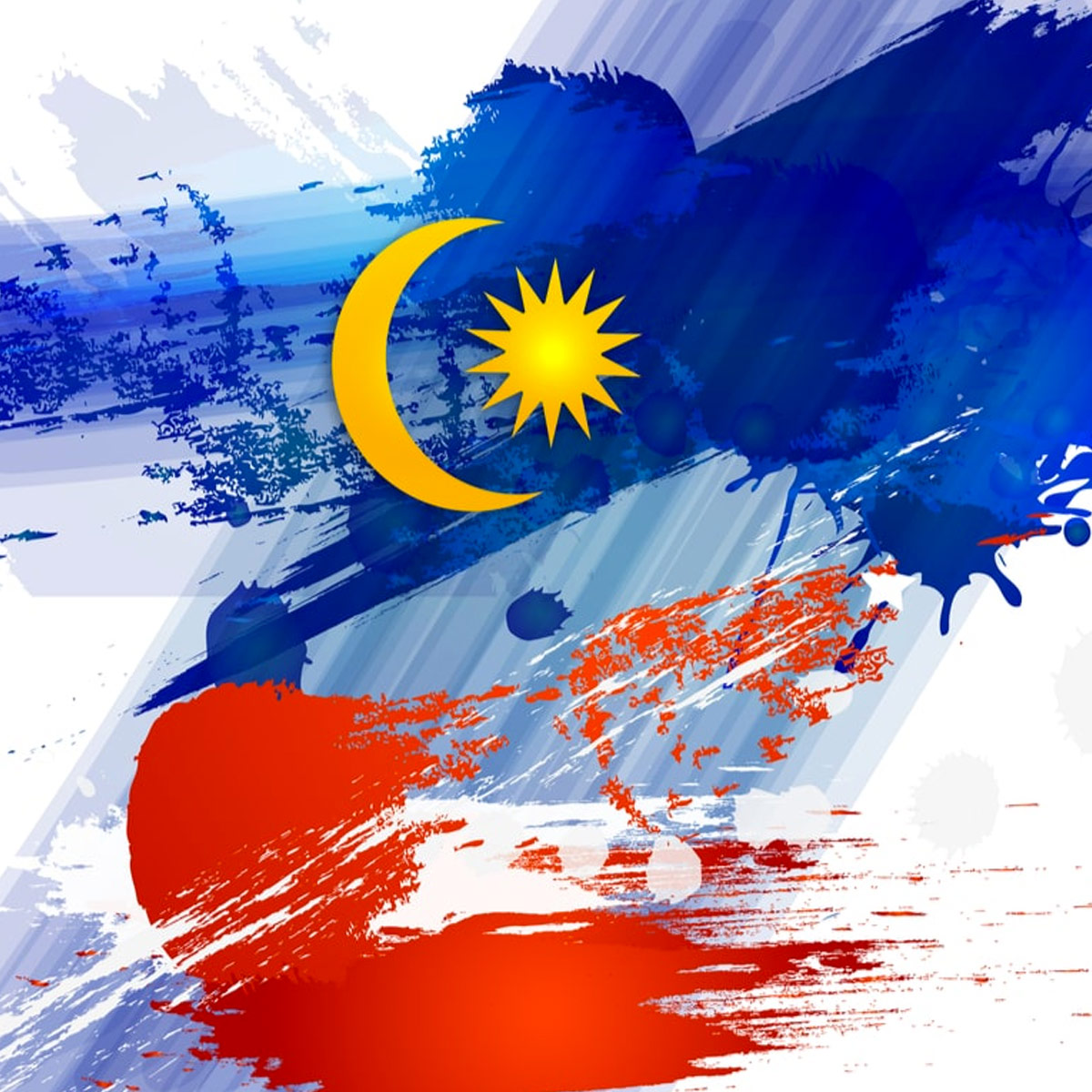
🇲🇾 The Jalur Gemilang
Malaysia’s national flag is called the Jalur Gemilang, meaning “Stripes of Glory.”
It consists of 14 alternating red and white stripes, representing the equal status of the 13 states and the federal government.
The blue canton contains:
- A yellow crescent
- A yellow 14-point star
The crescent represents Islam, Malaysia’s official religion, while the star is associated with the unity of the country’s states and federal government.
The colors also carry symbolic meanings:
- Blue — unity
- Yellow — the royal rulers
- Red — courage
- White — purity
🗣️ The Meaning of “Merdeka!”
The word Merdeka! has become much more than a historical declaration.
For Malaysians, it represents:
Freedom.
Sovereignty.
National dignity.
Unity.
Self-government.
The famous cry of Tunku Abdul Rahman continues to be repeated during national celebrations.
🌏 Malaysia’s Multicultural Identity
One of the important characteristics of modern Malaysia is its cultural diversity.
The country’s population includes communities with Malay, Chinese, Indian, Indigenous and other backgrounds.
Malaysia’s cultural landscape can be seen in its:
- Languages
- Religions
- Cuisine
- Clothing
- Festivals
- Music
- Architecture
- Traditional arts
Hari Merdeka provides an opportunity to emphasize national unity while celebrating cultural diversity.
🇲🇾 Merdeka and National Unity
The history of Malaysian independence demonstrates the importance of political cooperation and negotiation.
The independence movement involved people from different communities and political organizations working toward the goal of self-government.
Consequently, unity remains one of the recurring messages of Merdeka celebrations.
The national celebration encourages Malaysians to remember that the country is stronger when its diverse communities work together.
🏛️ Merdeka Square
Merdeka Square (Dataran Merdeka) in Kuala Lumpur has enormous historical significance.


It was here, at the former Selangor Club Padang, that the Malayan flag was raised at midnight on August 31, 1957, marking the end of British rule.
The square remains one of Kuala Lumpur’s most important historical landmarks.
🏟️ Stadium Merdeka
Stadium Merdeka is another iconic location associated with Malaysian independence.
The stadium was built specifically to provide a venue for the independence ceremony.
On August 31, 1957, thousands gathered there to witness the proclamation of independence.
The stadium therefore occupies a special place in the country’s national memory.
🌟 Why Hari Merdeka Matters
Hari Merdeka is not merely a public holiday.
It provides Malaysians with an opportunity to:
- Remember the struggle for independence
- Honor the country’s founding leaders
- Appreciate national sovereignty
- Celebrate cultural diversity
- Strengthen national unity
- Teach younger generations about history
- Reflect on the country’s achievements
- Consider its future
For younger Malaysians especially, Merdeka Day provides an opportunity to understand how the nation they know today came into existence.
📅 Hari Merdeka — Key Facts
| Fact | Details |
|---|---|
| Name | Hari Merdeka / National Day |
| Date | August 31 |
| Year of independence | 1957 |
| Country at independence | Federation of Malaya |
| Colonial power | United Kingdom |
| First Prime Minister | Tunku Abdul Rahman |
| Historic venue | Stadium Merdeka, Kuala Lumpur |
| Famous declaration | “Merdeka!” |
| Flag | Jalur Gemilang |
| Malaysia formed | September 16, 1963 |
| Malaysia Day | September 16 |
| Singapore separated | August 9, 1965 |
🇲🇾 Hari Merdeka vs Malaysia Day
These two national days are sometimes confused.
| Hari Merdeka | Malaysia Day |
|---|---|
| August 31 | September 16 |
| Celebrates independence | Celebrates formation of Malaysia |
| 1957 | 1963 |
| Federation of Malaya became independent | Malaya, Sabah and Sarawak formed Malaysia |
| Associated with Tunku Abdul Rahman and the Merdeka proclamation | Marks the establishment of the Malaysian federation |
Both dates are fundamental to the country’s national history.
🌺 A Message for Malaysians
The meaning of independence goes beyond freedom from colonial rule.
True independence also involves building a society in which citizens can live with:
- Peace
- Justice
- Dignity
- Security
- Opportunity
- Equality
- Mutual respect
The story of Merdeka therefore continues beyond 1957. Every generation has the responsibility to preserve the nation’s achievements and contribute to its future.
🇲🇾 Conclusion
Malaysia Independence Day, or Hari Merdeka, is celebrated every August 31 to commemorate the independence of the Federation of Malaya from British rule in 1957.
The historic proclamation at Stadium Merdeka, led by Tunku Abdul Rahman, marked a decisive moment in the country’s history. His powerful cry of “Merdeka!” became a lasting symbol of freedom and national pride.
More than six decades later, Hari Merdeka remains a day when Malaysians come together to celebrate their country’s history, multicultural identity and national unity.
“Merdeka!” — a word that became the voice of a nation’s freedom.
🇲🇾 Happy Hari Merdeka!
August 31 — Celebrating Freedom, Unity, Heritage and the Spirit of Malaysia.
Leave a Reply