

August 31
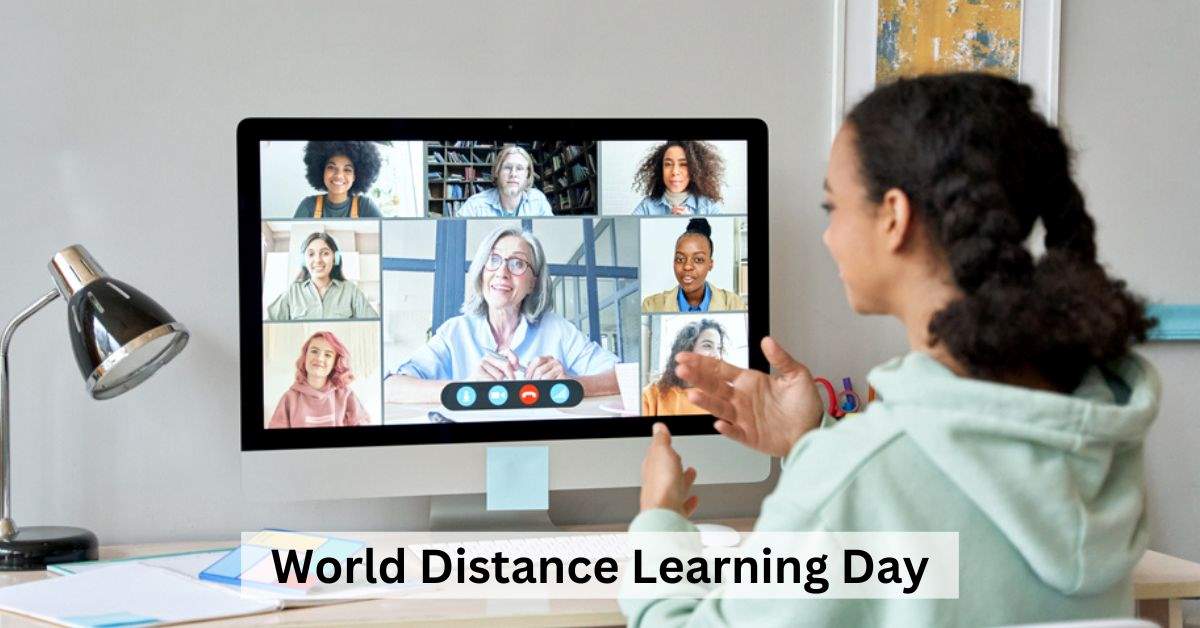
World Distance Learning Day is observed annually on August 31 as an opportunity to recognize the importance of learning beyond the traditional classroom. It highlights how distance education, online learning, digital classrooms and remote teaching have expanded access to education for students who may be separated from teachers or educational institutions by geography, disability, work, family responsibilities or other circumstances.
Unlike major United Nations observances, World Distance Learning Day is not a UN-designated international day. It is primarily an educational and awareness observance promoted by organizations and educational communities to recognize the growing role of distance and online education.
What Is Distance Learning?
Distance learning is a form of education in which the teacher and learner are not necessarily present in the same physical location.
Instead of attending a traditional classroom, students may learn through:
- Online classes
- Recorded lectures
- Video conferences
- Digital textbooks
- Learning-management systems
- Email and discussion forums
- Educational apps
- Virtual laboratories
- Online assignments and examinations
- Television and radio lessons
- Correspondence courses
- Mobile-learning platforms
Distance learning can be completely online or can combine remote education with occasional face-to-face instruction.
A Brief History of Distance Learning
Distance education is much older than the internet.
📬 18th–19th Centuries: Correspondence Education
One of the earliest forms of distance education involved lessons sent through the postal system.
Students received printed materials, completed assignments and returned their work to instructors by mail.
This made education possible for people who lived far from universities or specialized schools.
📻 Early 20th Century: Radio Education
The development of radio created a new opportunity.
Educational programmes could reach large audiences, including people living in rural and remote communities.
📺 Mid-20th Century: Television Education
Educational television programmes expanded distance education further.
Universities, schools and public broadcasters used television to deliver:
- Lectures
- Language courses
- Science lessons
- Children’s educational programmes
- Vocational training
💻 Late 20th Century: Computer-Based Learning
Personal computers introduced educational software, digital learning materials and computer-assisted instruction.
Universities gradually began offering electronic courses and computer-based distance programmes.
🌐 21st Century: Online Learning
The internet transformed distance education.
Students could suddenly communicate with teachers almost instantly, access enormous digital libraries and attend virtual classrooms from almost anywhere.
📱 The Mobile Learning Era
Smartphones and tablets have made learning even more accessible.
Today, a student may attend a lecture, read an e-book, submit an assignment and communicate with classmates using a device that fits in their hand.
Distance Learning During the COVID-19 Pandemic
The COVID-19 pandemic dramatically changed the global education landscape.
When schools and universities were forced to close physical campuses, millions of teachers and students turned to:
- Video conferencing
- Online classrooms
- Digital assignments
- Educational platforms
- Recorded lessons
- Messaging applications
- Television and radio education
The pandemic demonstrated both the potential and limitations of distance learning.
For students with reliable internet and appropriate devices, online education provided an important way to continue studying.
However, the crisis also exposed the digital divide—the gap between people who have access to suitable technology and those who do not.
Advantages of Distance Learning
1. Learning From Anywhere
One of the greatest advantages is geographical flexibility.
A student can potentially study from:
- Home
- A rural village
- Another city
- Another country
- A workplace
- A community learning center
Distance learning can remove geographical barriers that once prevented people from accessing education.
2. Flexible Schedules
Many online courses allow students to study according to their own schedules.
This is particularly useful for:
- Working adults
- Parents
- Professionals
- People with family responsibilities
- Students pursuing multiple programmes
3. Access to Global Education
Distance learning can connect students with universities, teachers and experts from around the world.
A learner in India can potentially take a course taught by an instructor based in another country without physically travelling there.
4. Self-Paced Learning
Recorded lectures and digital resources allow learners to revisit difficult material.
Students can:
- Pause lectures
- Replay explanations
- Review notes
- Repeat lessons
- Study at their own pace
This can be especially useful for students who need additional time to understand complex subjects.
5. Wider Educational Opportunities
Online education has made it easier to learn subjects that may not be available locally.
Students can find courses in:
- Languages
- Science
- Mathematics
- History
- Computer science
- Business
- Arts
- Music
- Technology
- Professional skills
6. Lifelong Learning
Distance education supports the idea that learning does not have to end with school or university.
Adults can continue developing their knowledge and skills throughout their lives.
Challenges of Distance Learning
Distance education also has significant challenges.
📶 The Digital Divide
Not everyone has:
- Reliable internet
- A computer
- A smartphone
- Adequate electricity
- Affordable data
- A quiet place to study
This can create inequalities between learners.
👩🏫 Reduced Face-to-Face Interaction
Traditional classrooms provide direct interaction between teachers and students.
Online education can sometimes make communication feel less personal.
🧠 Motivation and Discipline
Students studying remotely often need strong self-discipline.
Without the structure of a physical classroom, some learners may struggle to:
- Maintain a study routine
- Complete assignments
- Avoid distractions
- Participate actively
💻 Technical Problems
Internet interruptions, software problems, device failures and platform outages can interfere with learning.
👥 Social Isolation
Education is not only about academic knowledge.
Schools and universities also provide opportunities for:
- Friendship
- Teamwork
- Social development
- Cultural interaction
- Sports
- Extracurricular activities
Online learning cannot always reproduce these experiences fully.
Distance Learning and Children
Distance learning can provide valuable opportunities for children, but younger learners often require more support.
Parents and teachers may need to help children with:
- Managing screen time
- Completing assignments
- Understanding lessons
- Staying motivated
- Using technology safely
- Maintaining healthy routines
For younger children especially, a balanced combination of digital and physical learning can be beneficial.
Distance Learning for People With Disabilities
Technology can make education more accessible for people with disabilities when platforms are properly designed.
Examples include:
- Screen readers
- Captions
- Audio descriptions
- Keyboard navigation
- Adjustable text sizes
- Accessible digital documents
- Sign-language interpretation
However, accessibility must be deliberately incorporated into educational platforms rather than assumed.
The Role of Teachers
Distance learning does not eliminate the importance of teachers.
In fact, effective online education requires teachers to develop new skills.
Teachers may need to become:
- Online facilitators
- Digital content creators
- Virtual mentors
- Discussion moderators
- Technology users
- Online assessment designers
A good distance-learning teacher does more than simply upload lecture notes.
They create opportunities for students to ask questions, interact, practice, collaborate and receive feedback.
Technology Behind Modern Distance Learning


Modern distance education may use many technologies, including:
🎥 Video Conferencing
Live classes allow teachers and students to communicate in real time.
🖥️ Learning Management Systems
Platforms can organize:
- Courses
- Lessons
- Assignments
- Quizzes
- Grades
- Discussions
📱 Mobile Learning
Smartphones make educational resources available to learners who may not own computers.
☁️ Cloud Technology
Cloud platforms allow students to access files and educational materials from different devices.
🤖 Artificial Intelligence
AI is increasingly being used to provide:
- Personalized learning
- Automated feedback
- Language assistance
- Tutoring
- Educational recommendations
- Accessibility tools
AI should complement teachers rather than replace the human relationships at the heart of education.
Distance Learning and the Future
The future of education is likely to involve a combination of physical classrooms, online education and digital technologies.
This approach is sometimes called blended learning.
A student might:
- Attend a classroom lecture.
- Watch a recorded explanation later.
- Complete an online quiz.
- Participate in a virtual discussion.
- Work with classmates on a digital project.
- Meet the teacher for personalized support.
Such approaches can combine the strengths of traditional and digital education.
How to Make Distance Learning More Effective
Students can improve their online learning experience by following a few simple principles:
📝 Create a Study Schedule
Set specific times for classes, reading and assignments.
🎯 Set Clear Goals
Decide what you want to accomplish during each study session.
📚 Keep Organized Notes
Digital or handwritten notes can help reinforce learning.
🙋 Ask Questions
Do not hesitate to contact teachers when something is unclear.
🔕 Reduce Distractions
Keep unnecessary notifications and social media away during study time.
☕ Take Regular Breaks
Short breaks can improve concentration.
👥 Interact With Others
Participate in discussions and group activities whenever possible.
🔐 Stay Safe Online
Use strong passwords, protect personal information and be careful with unfamiliar links.
How Schools and Institutions Can Celebrate World Distance Learning Day
Educational institutions can use August 31 to promote awareness through:
- Online seminars
- Virtual exhibitions
- Digital education workshops
- Student webinars
- Teacher-training sessions
- Online learning demonstrations
- Discussions about the digital divide
- Technology-literacy programmes
- Accessibility awareness campaigns
- Student digital-project competitions
The day can also provide an opportunity to recognize teachers who successfully adapted to remote education.
World Distance Learning Day and India
Distance education has particular significance in India, where geographical diversity, population size and differences in access to educational institutions create both challenges and opportunities.
Online and distance education can help connect learners in:
- Rural communities
- Remote villages
- Mountainous regions
- Islands
- Small towns
- Working environments
India has also developed extensive digital educational initiatives, including online courses, digital learning resources and technology-supported education.
For a country as geographically and socially diverse as India, the goal should be not simply to provide online education, but to ensure equitable access to quality education.
World Distance Learning Day — Key Facts
| Fact | Details |
|---|---|
| Date | August 31 |
| Focus | Distance and online education |
| Main purpose | Promote awareness of remote learning and educational accessibility |
| Learning methods | Online classes, correspondence, digital resources, video lessons and mobile learning |
| Major benefit | Education can reach learners beyond traditional classrooms |
| Major challenge | Digital divide and unequal access to technology |
| Important technology | Internet, smartphones, computers, video conferencing and learning platforms |
| Future direction | Blended and technology-enhanced education |
Why Distance Learning Matters
Distance learning has changed the meaning of the classroom.
The classroom is no longer necessarily a particular room in a particular building. It can be a laptop, smartphone, tablet or connected community learning center.
Yet technology alone does not guarantee good education. Quality distance learning requires:
Good teachers + good content + appropriate technology + accessibility + student engagement + human support.
The ultimate purpose remains the same as traditional education: to help people learn, grow, think critically and participate meaningfully in society.
Conclusion
World Distance Learning Day is an opportunity to celebrate the possibilities created by modern education technology while recognizing the work still needed to make learning accessible to everyone.
From correspondence courses sent through the postal system to today’s interactive virtual classrooms, distance education has undergone a remarkable transformation.
It has opened doors for people who might otherwise struggle to access education because of distance, work, disability, family responsibilities or limited local opportunities.
At the same time, the digital divide reminds us that technology should never become another barrier to education.
The real promise of distance learning is not simply that students can learn from anywhere. It is that, with thoughtful design and equal access, education can reach more people, in more places, at more stages of life.
“Distance may separate the learner from the classroom, but it should never separate a person from the opportunity to learn.”
🌍 World Distance Learning Day — August 31
Learn anywhere. Connect everywhere. Keep learning throughout life.
Leave a Reply