

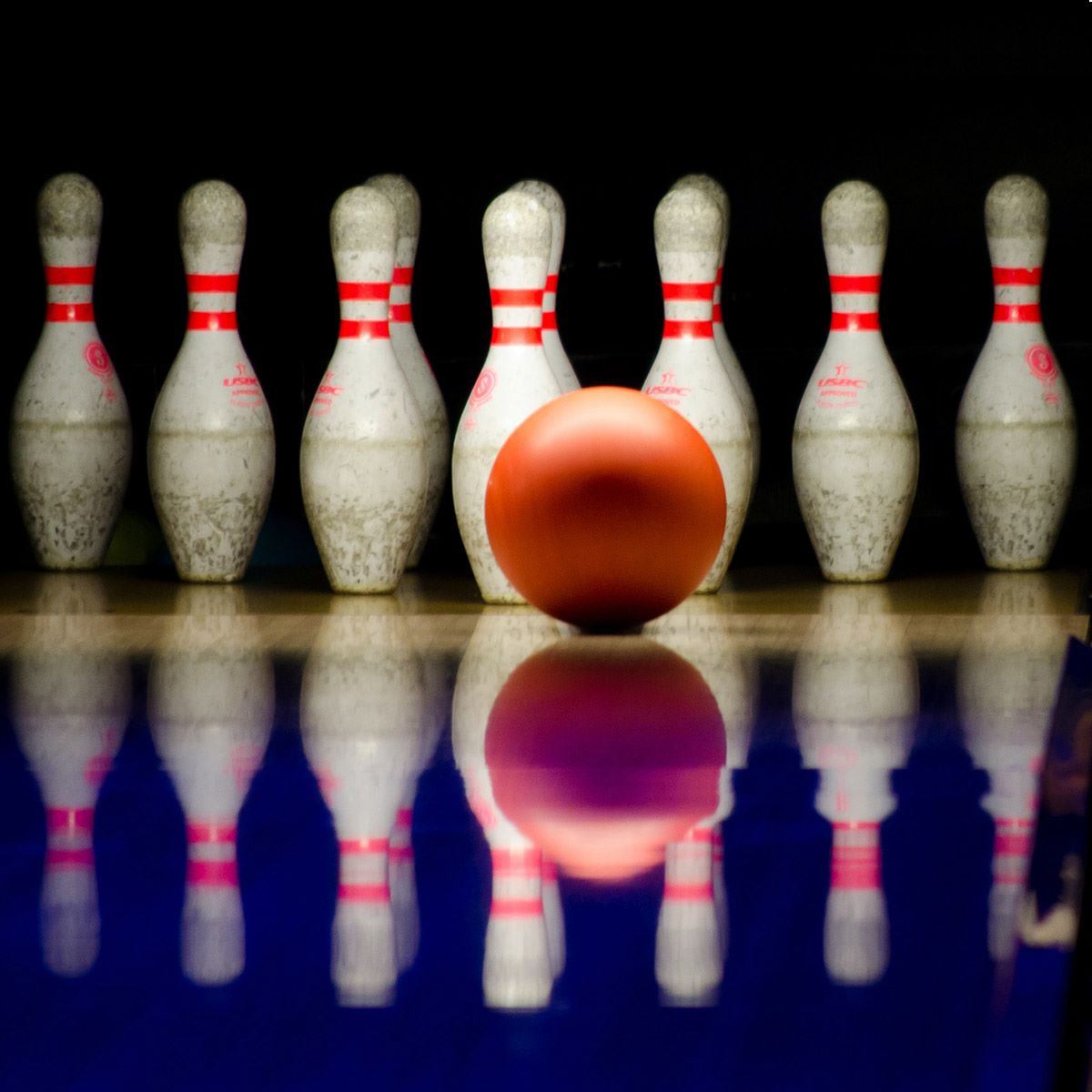
Celebrating Bowling, Friendship, Competition and Community
U.S. Bowling League Day is observed annually on September 3 in the United States. The day celebrates the tradition of organized bowling leagues, which have brought together friends, families, co-workers and communities for friendly competition and social connection.
Bowling leagues are about much more than knocking down ten pins. They combine sport, teamwork, skill, recreation, friendship and tradition—and for generations, bowling centers have served as gathering places for American communities.
🎳 What Is a Bowling League?
A bowling league is an organized group of bowlers who compete against one another according to a regular schedule.
A typical league may consist of:
- Individual bowlers
- Two-person teams
- Three-person teams
- Four-person teams
- Five-person teams
Teams usually bowl a predetermined number of games each week, earning points based on their results.
Leagues may be organized around:
- Friends
- Families
- Schools
- Businesses
- Churches
- Community groups
- Military organizations
- Colleges and universities
- Senior citizens
- Youth programs
This makes bowling one of the most accessible organized recreational sports.
🇺🇸 The History of Bowling in America
Bowling has a long history in the United States.
Different forms of bowling existed among European settlers, while variations of bowling had much older roots in Europe.
The modern American game gradually developed during the 19th century.
As American cities expanded, bowling became increasingly popular in:
- Taverns
- Bowling halls
- Social clubs
- Recreation centers
Eventually, standardized rules and organized competitions emerged.
🎳 The Birth of Modern Ten-Pin Bowling
The form of bowling most familiar today uses:
- 10 pins
- A bowling ball
- A 60-foot lane
- A foul line
- Gutters on both sides
Ten-pin bowling became particularly popular in the United States during the late 19th and early 20th centuries.
The standardization of rules was essential to the development of organized leagues and national competitions.
🏆 The American Bowling Congress
A major milestone occurred in 1895, when the American Bowling Congress (ABC) was established.
The organization helped standardize bowling rules and promote organized competition.
It eventually became one of the most important governing bodies in American bowling.
The ABC also helped establish national championships and standardized equipment and playing conditions.
👩🦰 Women and Organized Bowling
Women’s participation became increasingly important during the 20th century.
The Women’s International Bowling Congress (WIBC) was founded in 1916.
It provided women bowlers with organized competition and national championships.
The development of women’s bowling helped establish the sport as a major recreational and competitive activity for American women.
🏛️ United States Bowling Congress
The modern governing organization for much of American bowling is the United States Bowling Congress (USBC).
The USBC was formed in 2005 through the merger of several organizations, including:
- American Bowling Congress
- Women’s International Bowling Congress
- Young American Bowling Alliance
- USA Bowling
The USBC governs and promotes organized bowling in the United States and maintains rules, competitions, coaching programs and other services.
🎳 How Does a Bowling League Work?
Although league rules vary, a typical league follows a fairly simple structure.
1. Teams are formed
Bowlers join teams, often with several members.
2. Weekly competition
Teams meet at a bowling center on a designated day and time.
3. Games are played
Each bowler generally bowls a series of games.
4. Scores are recorded
Individual and team scores are calculated.
5. Points are awarded
Teams receive points according to their wins, losses or other league rules.
6. Standings are updated
The league maintains a table showing each team’s performance.
7. Championship or playoff
Many leagues finish their season with playoffs or awards.
🔢 Understanding a Bowling Score
A standard ten-pin bowling game has 10 frames.
In most frames, the bowler gets up to two rolls.
Strike 🎯
A strike occurs when all ten pins are knocked down with the first ball.
It is recorded as:
X
Spare
A spare occurs when all ten pins are knocked down using two rolls.
It is recorded as:
/
Open frame
If the bowler fails to knock down all ten pins in two attempts, the frame is open.
💯 What Is a Perfect Bowling Game?
The highest possible score in a standard ten-pin bowling game is:
300
A perfect game consists of 12 consecutive strikes.
Why 12?
The tenth frame allows bonus rolls following a strike, so a bowler who strikes in every opportunity receives 12 strikes in total.
A 300 game is one of the most celebrated achievements in bowling.
🧠 Bowling Is a Game of Skill
Bowling may look simple, but high-level bowling requires considerable skill.
Successful bowlers must understand:
🎯 Accuracy
The ball must be directed toward a precise target.
🌀 Ball rotation
Spin can influence how the ball travels down the lane.
👣 Footwork
Consistent approach and timing are essential.
💪 Release
The moment and angle at which the ball is released affect its path.
🧠 Lane conditions
Oil patterns on bowling lanes influence ball movement.
🔄 Adjustment
Experienced bowlers continually adjust their strategy as lane conditions change.
🛢️ Why Are Bowling Lanes Oiled?
Bowling lanes are treated with specialized oil patterns.
Oil serves several purposes:
- Protects the wooden or synthetic lane surface
- Controls ball movement
- Influences playing conditions
- Creates a technical challenge for bowlers
Professional bowlers carefully study lane conditions because oil distribution can significantly affect how a bowling ball behaves.
🎳 Bowling Balls
Modern bowling balls are sophisticated pieces of sporting equipment.
They can be made with different materials and internal structures.
Important characteristics include:
- Weight
- Coverstock
- Core design
- Surface texture
- Radius of gyration
- Differential
These characteristics influence how the ball travels and hooks.
⚖️ How Heavy Is a Bowling Ball?
Ten-pin bowling balls generally range from approximately:
6 to 16 pounds
The maximum legal weight for standard ten-pin competition is 16 pounds.
Bowlers select ball weight according to their strength, technique and comfort.
🏙️ Bowling Alleys as Community Centers
For much of the 20th century, bowling centers became important social spaces in American communities.
People didn’t necessarily visit only to compete.
They came to:
- Meet friends
- Socialize
- Celebrate birthdays
- Organize company events
- Participate in leagues
- Watch competitions
- Eat together
- Enjoy family recreation
Bowling centers therefore became an important part of American popular culture.
👨👩👧👦 Bowling for Everyone
One of bowling’s greatest strengths is its accessibility.
A league can accommodate people with very different levels of ability.
You can have:
- Beginners
- Casual bowlers
- Experienced league players
- Senior bowlers
- Youth bowlers
- Competitive athletes
all participating in the same broad sport.
Handicap systems can also help bowlers of different skill levels compete more evenly.
🏆 Famous Bowling Organizations
Several organizations have contributed significantly to bowling’s development.
🎳 United States Bowling Congress
The principal national governing organization for bowling in the United States.
🎳 Professional Bowlers Association
The Professional Bowlers Association (PBA) was founded in 1958 and became a major organization for professional bowling.
The PBA helped transform bowling into a televised spectator sport.
🌎 International Bowling Federation
International bowling is also governed at the global level through international organizations representing the sport worldwide.
📺 Bowling on Television
Bowling became particularly popular on American television during the second half of the 20th century.
Televised tournaments introduced millions of viewers to professional bowlers and helped create recognizable stars.
The sport was particularly well suited to television because viewers could easily understand the objective:
Throw the ball → knock down the pins → score points.
The suspense of a final-frame strike or spare can be remarkably compelling.
⭐ Famous American Bowlers
The United States has produced many legendary bowlers.
Among the best known are:
Don Carter
Often called one of the greatest bowlers of the early television era, Carter became one of bowling’s most recognizable stars.
Earl Anthony
Known for his smooth left-handed style, Anthony became one of the dominant professional bowlers of his generation.
Walter Ray Williams Jr.
One of the most successful professional bowlers in history, Williams Jr. achieved numerous PBA victories and championships.
Pete Weber
A legendary PBA player, Weber became famous for his aggressive competitive style and remarkable longevity.
Norm Duke
A multiple-time major champion and one of the most technically accomplished bowlers of his generation.
🎳 Bowling and Youth
Youth bowling leagues have introduced generations of children to organized sport.
Young bowlers learn:
- Coordination
- Patience
- Concentration
- Sportsmanship
- Teamwork
- Goal setting
Unlike many sports, bowling does not require exceptional speed or physical size to participate successfully.
That makes it particularly attractive as a lifelong recreational activity.
👴 Bowling as a Lifelong Sport
Bowling can be enjoyed across a remarkably wide age range.
Children can begin learning the fundamentals, adults can participate in competitive leagues, and older adults can continue bowling recreationally.
This gives bowling an important advantage:
It can remain part of a person’s life for decades.
🤝 The Social Side of Bowling
Perhaps the greatest reason bowling leagues continue to thrive is community.
A league may bring together people who otherwise would never meet.
Weekly bowling creates regular opportunities to:
- Talk
- Laugh
- Compete
- Encourage teammates
- Celebrate achievements
- Build friendships
In this sense, a bowling league is as much a social institution as a sporting organization.
🎉 How to Celebrate U.S. Bowling League Day
🎳 Join a league
If you have never participated in a bowling league, September 3 can be a great time to find one.
👨👩👧👦 Go bowling with family
Introduce children or relatives to the sport.
🏆 Organize a friendly tournament
Create a small competition among friends or colleagues.
🎯 Try to improve your score
Set a personal target for the day.
🧑🤝🧑 Reconnect with teammates
Contact former bowling teammates and arrange a game.
📚 Learn bowling history
Explore the development of ten-pin bowling and professional bowling in America.
📸 Share your bowling memories
Old league photographs, championship trophies and team memories can make wonderful social-media posts.
🎳 20 Interesting Facts About Bowling
- Modern ten-pin bowling is especially associated with the United States.
- A standard game consists of 10 frames.
- A strike is achieved by knocking down all ten pins with the first ball.
- A spare means clearing all pins with two balls.
- The maximum standard score is 300.
- A perfect game requires 12 strikes.
- Bowling balls can weigh up to 16 pounds in standard ten-pin bowling.
- Bowling lanes are treated with oil.
- Oil patterns affect ball movement.
- Bowling requires coordination and concentration.
- The American Bowling Congress was founded in 1895.
- The Women’s International Bowling Congress was founded in 1916.
- The United States Bowling Congress was established in 2005.
- The Professional Bowlers Association was founded in 1958.
- Bowling leagues can be organized for people of different ages and abilities.
- Handicap systems can help balance competition between bowlers of different skill levels.
- Bowling became a popular television sport during the 20th century.
- Bowling centers have historically served as important social gathering places.
- Bowling can be enjoyed recreationally or at professional level.
- U.S. Bowling League Day is observed on September 3.
🏅 Why Bowling Leagues Matter
A bowling league may seem like a simple weekly sporting activity, but it represents something much larger.
It brings people together.
A league creates traditions:
Tuesday night bowling.
Friday night bowling.
Team rivalries.
Personal records.
Championship trophies.
Post-game conversations.
Friendships lasting decades.
For many bowlers, the memories created away from the lanes are just as important as the scores recorded on them.
🌟 The Spirit of U.S. Bowling League Day
At its heart, U.S. Bowling League Day celebrates three things:
🎳 SPORT
The challenge of improving one’s bowling ability.
🤝 COMMUNITY
The friendships created through regular participation.
🏆 COMPETITION
The excitement of trying to beat your opponent—and sometimes your own previous score.
Bowling teaches a simple but powerful lesson:
You don’t have to be perfect to enjoy the game.
Every frame is another opportunity to improve.
🎳 U.S. Bowling League Day — September 3
Whether you’re an experienced league bowler or someone who has not picked up a bowling ball in years, the day is an invitation to enjoy the sport.
Lace up your bowling shoes.
Pick up the ball.
Aim for the pins.
Cheer for your teammates.
And enjoy the community that makes bowling special.
🎳 Strike up some fun!
Happy U.S. Bowling League Day! 🇺🇸🎳


Leave a Reply