

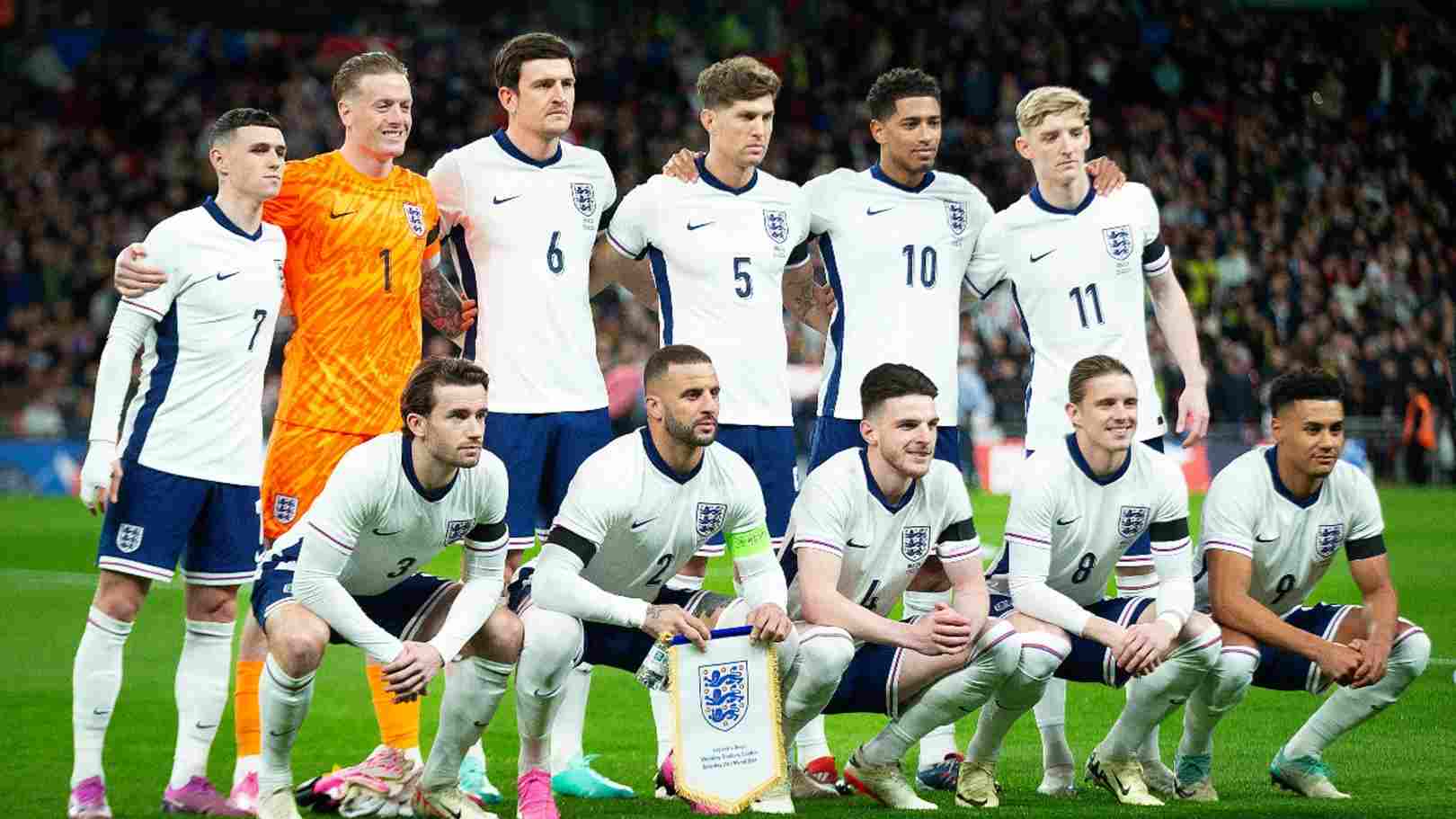


The England National Football Team, affectionately known as the Three Lions, is one of the most historic and influential teams in world football. As the representative team of the country where the modern game was codified, England occupies a unique place in football history. Although its trophy cabinet is not as extensive as some of its European and South American rivals, England’s contribution to the development of the sport is immeasurable.
From legendary figures such as Sir Bobby Charlton, Bobby Moore, and Gary Lineker to modern stars like Harry Kane, Jude Bellingham, and Bukayo Saka, England has produced generations of exceptional footballers. Its passionate supporters, iconic Wembley Stadium, and rich traditions make every England match a major sporting event.
The Birthplace of Modern Football
England is widely recognized as the birthplace of modern association football.
In 1863, the Football Association (FA) was established in London, becoming the world’s oldest football governing body. The FA standardized the Laws of the Game, laying the foundation for modern football as it is played today.
England played the first official international football match on 30 November 1872, drawing 0–0 with Scotland at Hamilton Crescent in Glasgow. This historic match marked the beginning of international football.
The Three Lions
England’s famous nickname, The Three Lions, comes from the three lions featured on the team’s crest.
The emblem has its origins in the royal coat of arms of King Richard I (“Richard the Lionheart”) and has become one of the most recognizable symbols in world sport.
England traditionally wears:
- White shirts
- Blue shorts
- White socks
Their away kits have varied over the years but often feature red or blue.
Wembley Stadium
The spiritual home of English football is Wembley Stadium in London.
The original Wembley, opened in 1923, hosted numerous historic matches before being replaced by the modern stadium, inaugurated in 2007.
With a seating capacity of approximately 90,000, Wembley is the largest stadium in the United Kingdom and hosts:
- England home internationals
- FA Cup Finals
- League Cup Finals
- UEFA Champions League Finals
- UEFA European Championship matches
- International concerts and major sporting events
Its iconic arch has become a symbol of English football.
Early International Success
England dominated the early decades of international football but chose not to participate in the first three FIFA World Cups (1930, 1934, and 1938).
The team finally entered the World Cup in 1950, though its campaign ended in disappointment after a famous 1–0 defeat to the United States.
Over time, England established itself as one of Europe’s strongest footballing nations.
The 1966 FIFA World Cup


The defining moment in England’s football history came in 1966, when the country hosted the FIFA World Cup.
Managed by Sir Alf Ramsey, England defeated:
- Uruguay
- France
- Argentina
- Portugal
before meeting West Germany in the final.
The match finished 4–2 after extra time.
Geoff Hurst scored the only hat-trick ever achieved in a FIFA World Cup Final, while captain Bobby Moore lifted the Jules Rimet Trophy before jubilant supporters at Wembley.
To date, this remains England’s only FIFA World Cup triumph.
Years of Near Misses
Following the success of 1966, England consistently qualified for major tournaments but often fell short.
Memorable campaigns include:
- Fourth place at the 1990 FIFA World Cup, where England lost to West Germany on penalties in the semi-finals.
- Semi-final at UEFA Euro 1996, also ending in a penalty shootout defeat to Germany.
- Quarter-final appearances in several World Cups and European Championships.
Penalty shootouts became a recurring source of heartbreak for England supporters.
The Golden Generation
The late 1990s and early 2000s saw the emergence of one of England’s most talented squads.
Key players included:
- David Beckham
- Steven Gerrard
- Frank Lampard
- Paul Scholes
- Rio Ferdinand
- John Terry
- Michael Owen
- Wayne Rooney
- Ashley Cole
- Sol Campbell
Despite their immense talent, this “Golden Generation” was unable to win a major tournament.
Gareth Southgate’s Revival


The appointment of Gareth Southgate as manager in 2016 marked the beginning of a new era.
Southgate emphasized:
- Team unity
- Tactical discipline
- Youth development
- Positive team culture
Under his leadership, England achieved:
- Fourth place at the 2018 FIFA World Cup
- Runner-up at UEFA Euro 2020, losing to Italy on penalties
- Quarter-finals of the 2022 FIFA World Cup
- Runner-up at UEFA Euro 2024, losing to Spain in the final
These performances restored England as one of Europe’s strongest national teams.
Legendary Players


England has produced some of football’s greatest players.
Among the most celebrated are:
- Sir Bobby Charlton
- Bobby Moore
- Gordon Banks
- Gary Lineker
- David Beckham
- Alan Shearer
- Wayne Rooney
- Steven Gerrard
- Frank Lampard
- Harry Kane
- Jude Bellingham
Harry Kane became England’s all-time leading goalscorer, surpassing Wayne Rooney’s long-standing record.
Legendary Managers
England has been guided by several distinguished coaches, including:
- Sir Alf Ramsey
- Bobby Robson
- Terry Venables
- Sven-Göran Eriksson
- Fabio Capello
- Gareth Southgate
Sir Alf Ramsey remains England’s only World Cup-winning manager.
Playing Style
England’s style has evolved considerably over the decades.
Traditional English football emphasized:
- Physical strength
- Fast wing play
- Crossing
- Aerial dominance
- High intensity
Modern England combines these traditional strengths with:
- Technical excellence
- Possession-based football
- Tactical flexibility
- Creative midfield play
The influence of the English Premier League has helped develop players capable of competing at the highest international level.
Historic Rivalries
Scotland
England’s rivalry with Scotland is the oldest international football rivalry in history, dating back to the first official international match in 1872.
Germany
England and Germany have contested numerous memorable matches, including the 1966 World Cup Final and several dramatic penalty shootouts.
Argentina
The rivalry with Argentina intensified following the 1986 FIFA World Cup quarter-final, featuring Diego Maradona’s famous “Hand of God” goal and the “Goal of the Century.”
Major Honours
England has earned several significant achievements.
FIFA Competitions
- 1 FIFA World Cup (1966)
- 4 FIFA World Cup fourth-place finishes or better (1966, 1990, 2018, plus runners-up status not applicable)
UEFA Competitions
- UEFA European Championship runners-up (2020, 2024)
- UEFA Nations League third place (2019)
England continues to pursue its first UEFA European Championship title.
Memorable Records
England has achieved several historic milestones:
- Home of the world’s oldest football association.
- Participant in the first official international football match.
- Winner of the 1966 FIFA World Cup.
- Geoff Hurst remains the only player to score a hat-trick in a FIFA World Cup Final.
- Harry Kane is England’s all-time leading goalscorer.
Passionate Supporters
England supporters are among the most devoted in international football. Whether at Wembley or traveling across Europe and the world, fans proudly sing classics such as “Three Lions” (“Football’s Coming Home”) and “God Save the King,” creating an unforgettable atmosphere.
Their unwavering loyalty reflects football’s central role in English culture and identity.
Legacy
The England National Football Team occupies a unique place in football history as the representative of the nation where the modern game was born. While international trophies have been relatively few, England’s influence on football has been immense, shaping the sport’s rules, traditions, and global popularity. The unforgettable triumph of the 1966 FIFA World Cup, the heroics of legends such as Bobby Moore and Sir Bobby Charlton, and the emergence of modern stars like Harry Kane and Jude Bellingham have ensured that the Three Lions remain one of the world’s most respected football teams.
Today, England continues to combine its rich heritage with a promising future. With a talented new generation, world-class coaching, and the unwavering support of millions of fans, the dream of adding another major international trophy remains alive. As supporters passionately sing “Football’s Coming Home,” they celebrate not only hope for future glory but also the enduring legacy of one of the most influential nations in the history of the beautiful game.
Leave a Reply