

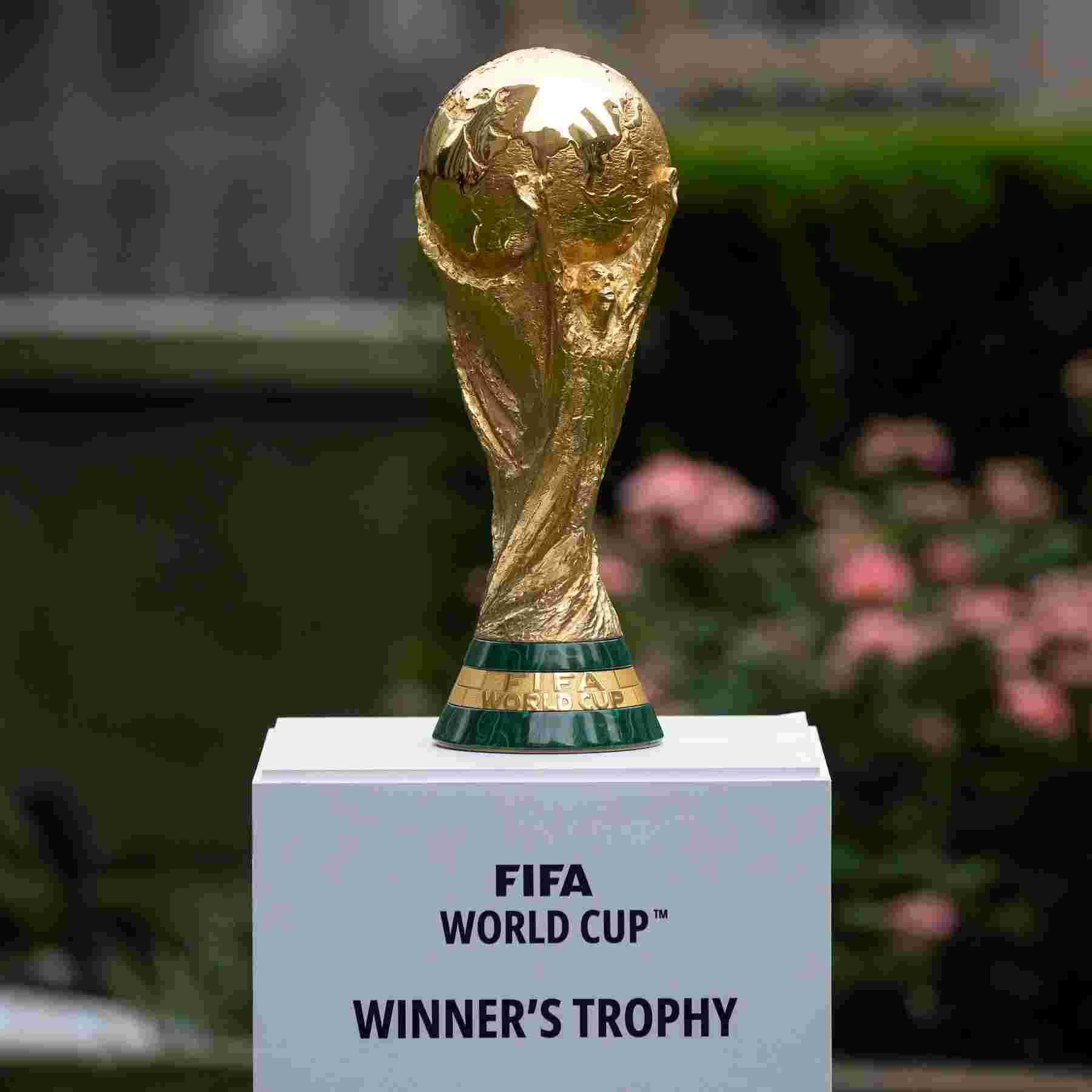
The FIFA World Cup is the most prestigious and widely watched sporting event in the world. Every four years, nations from across the globe compete for football’s highest honor, capturing the imagination of billions of fans. The tournament has produced unforgettable moments, legendary players, and stories of triumph that have become part of sporting history.
The Origins of the World Cup
Before the World Cup was established, football was played at the Olympic Games. However, there was no dedicated international tournament solely for football. Recognizing the growing popularity of the sport, the Fédération Internationale de Football Association (FIFA) decided to organize a global championship for national teams.
The driving force behind the creation of the World Cup was Jules Rimet, the president of FIFA from 1921 to 1954. His vision was to bring nations together through football and create a tournament that would showcase the world’s best teams.
The First World Cup: Uruguay 1930
The inaugural 1930 FIFA World Cup was held in Uruguay in 1930. Uruguay was chosen as the host because it was celebrating the centenary of its independence and had won Olympic football gold medals in 1924 and 1928.
Only thirteen teams participated. In the final, Uruguay defeated Argentina 4–2 to become the first World Cup champions.
World Cup Interrupted by War
The World Cup was held again in 1934 and 1938, both won by Italy. However, the outbreak of World War II forced the cancellation of the 1942 and 1946 tournaments.
The competition resumed in 1950 in Brazil, marking a new era for international football.
Memorable World Cup Tournaments
Brazil’s Rise to Glory (1958)
The 1958 World Cup in Sweden introduced the world to a 17-year-old football prodigy, Pelé. Brazil won its first World Cup by defeating Sweden 5–2 in the final. Pelé’s dazzling performances established him as one of football’s greatest players.
England’s Historic Triumph (1966)
The 1966 World Cup was hosted by England. England defeated West Germany 4–2 after extra time in a dramatic final at Wembley Stadium. It remains England’s only World Cup victory.
The Magic of Pelé (1970)
The 1970 tournament in Mexico is often regarded as one of the greatest World Cups ever. Brazil’s team, led by Pelé, played beautiful attacking football and defeated Italy 4–1 in the final. Brazil became the first nation to win the World Cup three times.
Maradona’s Masterpiece (1986)
The 1986 World Cup in Mexico belonged to Diego Maradona. His performances for Argentina included the famous “Hand of God” goal and the “Goal of the Century” against England. Argentina defeated West Germany 3–2 in the final.
France’s First Title (1998)
Hosted by France, the 1998 World Cup saw the emergence of Zinedine Zidane. France defeated Brazil 3–0 in the final to claim its first World Cup championship.
Germany 2006: A Celebration of Football
The 2006 World Cup in Germany was praised for its atmosphere and organization. Italy defeated France in a dramatic final decided by penalties after the famous headbutt incident involving Zidane.
South Africa 2010: A Historic First
The 2010 World Cup became the first ever held on the African continent, hosted by South Africa. Spain won its first World Cup title by defeating the Netherlands 1–0 in the final.
Germany’s Dominance (2014)
The 2014 World Cup in Brazil featured Germany’s stunning 7–1 semifinal victory over Brazil. Germany later defeated Argentina 1–0 in the final, with Mario Götze scoring the winning goal.
Messi’s Crowning Glory (2022)
The 2022 FIFA World Cup in Qatar delivered one of the greatest finals in football history. Argentina, led by Lionel Messi, defeated France in a penalty shootout after a thrilling 3–3 draw. The victory completed Messi’s remarkable career and fulfilled his lifelong dream of winning the World Cup.
The Most Successful Nations
Several countries have dominated World Cup history:
- Brazil – 5 titles (1958, 1962, 1970, 1994, 2002)
- Germany – 4 titles (1954, 1974, 1990, 2014)
- Italy – 4 titles (1934, 1938, 1982, 2006)
- Argentina – 3 titles (1978, 1986, 2022)
- France – 2 titles (1998, 2018)
- Uruguay – 2 titles (1930, 1950)
- England – 1 title (1966)
- Spain – 1 title (2010)
The Global Impact of the World Cup
The FIFA World Cup is much more than a football tournament. It promotes cultural exchange, national pride, and international unity. Billions of viewers follow the competition, making it one of the most-watched events on the planet. For many players, winning the World Cup is the ultimate achievement in their careers.
Conclusion
From its humble beginnings in Uruguay in 1930 to the spectacular tournaments of the modern era, the FIFA World Cup has grown into a global celebration of sport. It has produced legends such as Pelé, Maradona, Zidane, Messi, and many others whose achievements continue to inspire generations. As football evolves, the World Cup remains the pinnacle of international competition and a symbol of the game’s universal appeal.
Leave a Reply