

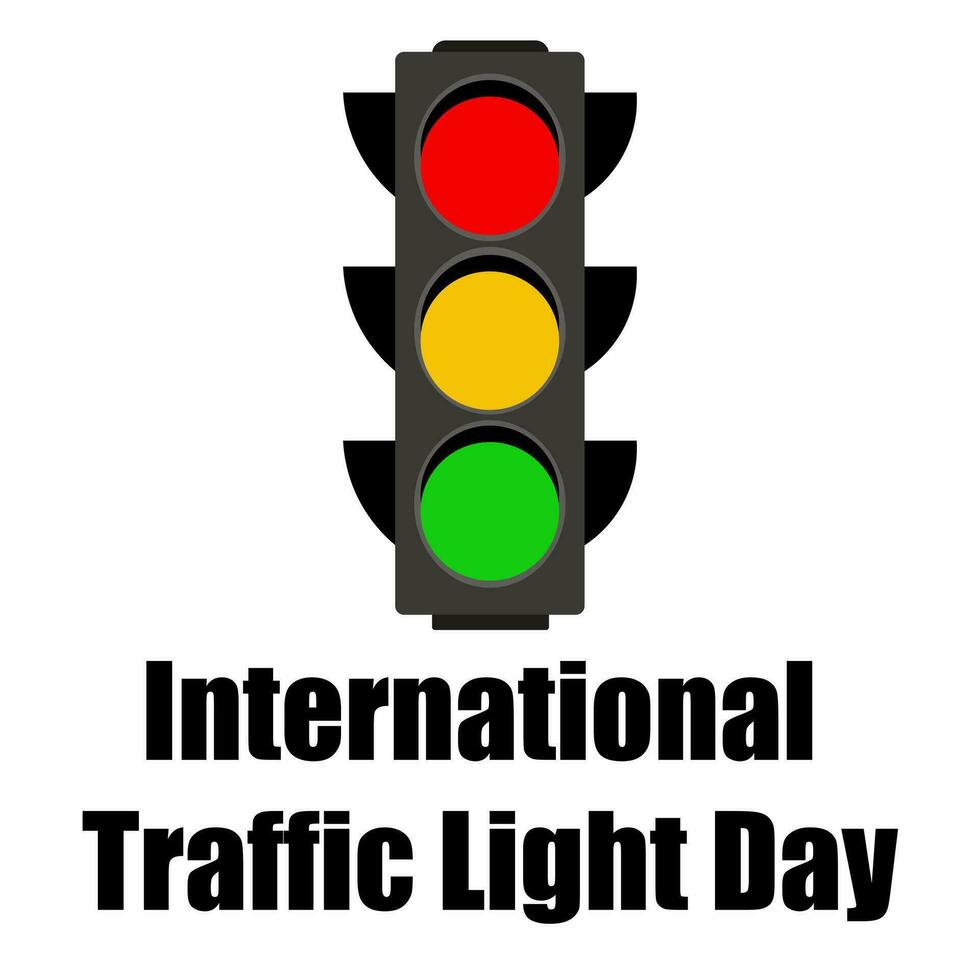
Celebrating the Innovation That Keeps the World Moving Safely
International Traffic Light Day, observed every year on August 5, commemorates one of the most important inventions in the history of transportation—the traffic light. The day marks the anniversary of the installation of the world’s first electric traffic signal on August 5, 1914, in Cleveland, Ohio, USA. Although traffic lights have become so commonplace that we often take them for granted, they play a vital role in ensuring road safety, reducing congestion, and saving countless lives every day.
As urban populations continue to grow and road networks become increasingly complex, traffic signals remain indispensable tools for managing the movement of vehicles, cyclists, and pedestrians. International Traffic Light Day serves as an opportunity to appreciate this remarkable innovation, promote responsible road behavior, and raise awareness about traffic safety worldwide.
History of International Traffic Light Day
The Need for Traffic Control
Before the invention of automobiles, roads were primarily shared by pedestrians, horse-drawn carriages, cyclists, and streetcars. As cities expanded during the late nineteenth century, managing traffic became increasingly difficult. Busy intersections often experienced confusion, delays, and accidents.
Initially, police officers manually directed traffic at major intersections. While effective to some extent, this system was labor-intensive and could not keep pace with the rapidly increasing number of vehicles.
The First Traffic Signal
The earliest traffic signal was installed outside the British Houses of Parliament in London in 1868. Designed by railway engineer J. P. Knight, it used semaphore arms during the day and gas-powered red and green lights at night.
Unfortunately, a gas explosion seriously injured the police officer operating it, and the system was abandoned after only a few weeks.
The First Electric Traffic Light
The modern era of traffic management began on August 5, 1914, when the first electric traffic signal was installed at the intersection of Euclid Avenue and East 105th Street in Cleveland, Ohio.
Developed by James Hoge, the system featured:
- Electric red and green lights
- Audible warning bells before changing signals
- Manual operation from a nearby control booth
Although it did not yet include the now-familiar yellow (amber) light, it represented a revolutionary step toward organized traffic control.
This milestone is the reason why August 5 is celebrated as International Traffic Light Day.
Evolution of Traffic Lights
Traffic signal technology has advanced significantly over the past century.
1920 – Introduction of the Yellow Light
Detroit police officer William Potts introduced the three-color traffic signal consisting of:
- Red – Stop
- Yellow (Amber) – Prepare to stop
- Green – Go
This three-color system became the international standard and remains in use today.
Automatic Signal Systems
Over time, manually operated signals were replaced by automatic electrical timers.
Later innovations included:
- Vehicle detection sensors
- Computer-controlled intersections
- Adaptive traffic systems
- Smart city traffic management
- AI-assisted traffic optimization
Modern traffic lights now respond dynamically to traffic conditions rather than simply following fixed schedules.
Understanding Traffic Light Colors
🔴 Red – Stop
The red light instructs drivers to stop completely before the intersection or pedestrian crossing.
Ignoring a red light is one of the leading causes of serious road accidents.
🟡 Yellow (Amber) – Caution
The yellow signal warns that the light is about to change.
Drivers should prepare to stop if it is safe to do so.
🟢 Green – Go
A green signal permits vehicles or pedestrians to proceed, provided the way is clear and yielding rules are observed where necessary.
Why Traffic Lights Matter
Traffic lights are essential because they:
- Prevent collisions
- Organize traffic flow
- Protect pedestrians
- Reduce traffic congestion
- Improve emergency vehicle movement
- Support public transportation
- Increase road efficiency
- Save lives every day
Without traffic signals, busy intersections in major cities would quickly become chaotic.
Traffic Lights Around the World
Different countries use traffic signals in similar ways, although there are some interesting variations.
Examples include:
- Countdown timers in many Asian countries.
- Animated pedestrian symbols in some European cities.
- Smart adaptive signals that change according to traffic volume.
- Dedicated bicycle traffic lights in cycling-friendly cities.
- Bus and tram priority signals in many metropolitan areas.
These innovations help improve efficiency and safety for different road users.
Modern Smart Traffic Systems
Today’s traffic lights are becoming increasingly intelligent.
Many cities now use:
- Artificial intelligence
- Traffic cameras
- Vehicle sensors
- GPS traffic monitoring
- Connected traffic networks
- Real-time congestion analysis
These systems can adjust signal timing based on traffic flow, helping to reduce delays, fuel consumption, and emissions.
Road Safety and Traffic Signals
Traffic lights are only effective when road users obey them.
Road safety experts recommend:
- Never run a red light.
- Avoid distracted driving.
- Do not accelerate through yellow lights.
- Always watch for pedestrians.
- Follow lane markings.
- Yield to emergency vehicles.
- Observe speed limits near intersections.
Responsible driving saves lives.
How International Traffic Light Day Is Observed
Organizations, schools, and communities mark the day by:
- Conducting road safety awareness campaigns.
- Organizing educational programs for children.
- Holding traffic safety workshops.
- Teaching pedestrian crossing rules.
- Promoting responsible driving through social media.
- Honoring traffic police and transportation professionals.
Many road safety agencies also use the occasion to encourage stricter compliance with traffic laws.
Interesting Facts About Traffic Lights
- The first electric traffic light was installed on August 5, 1914, in Cleveland, Ohio.
- The earliest traffic signal in London operated using gas lamps rather than electricity.
- Red was chosen for “stop” because it is highly visible and has long been associated with danger.
- Green symbolizes safety and permission to proceed.
- The yellow light was added later to improve safety during signal transitions.
- Some modern intersections use AI to adjust signal timing automatically.
- Traffic lights now coordinate with public transport, cyclists, and pedestrians in many cities.
- Millions of traffic signals operate worldwide every day.
The Importance of Public Awareness
Traffic lights alone cannot prevent accidents. Their effectiveness depends on responsible road users who respect traffic laws and remain alert.
International Traffic Light Day reminds us that every driver, cyclist, and pedestrian shares responsibility for making roads safer. By obeying signals, avoiding distractions, and practicing patience, we contribute to reducing injuries and saving lives.
Conclusion
International Traffic Light Day celebrates a simple yet transformative invention that has shaped modern transportation for more than a century. From the first electric traffic signal installed in Cleveland in 1914 to today’s AI-powered smart intersections, traffic lights continue to play a crucial role in keeping roads orderly and safe.
As we observe this day each year on August 5, let us recognize the importance of traffic signals, renew our commitment to responsible road behavior, and work together to create safer streets for everyone. Every red light respected, every pedestrian given the right of way, and every cautious decision at an intersection brings us one step closer to a safer world.
Leave a Reply