

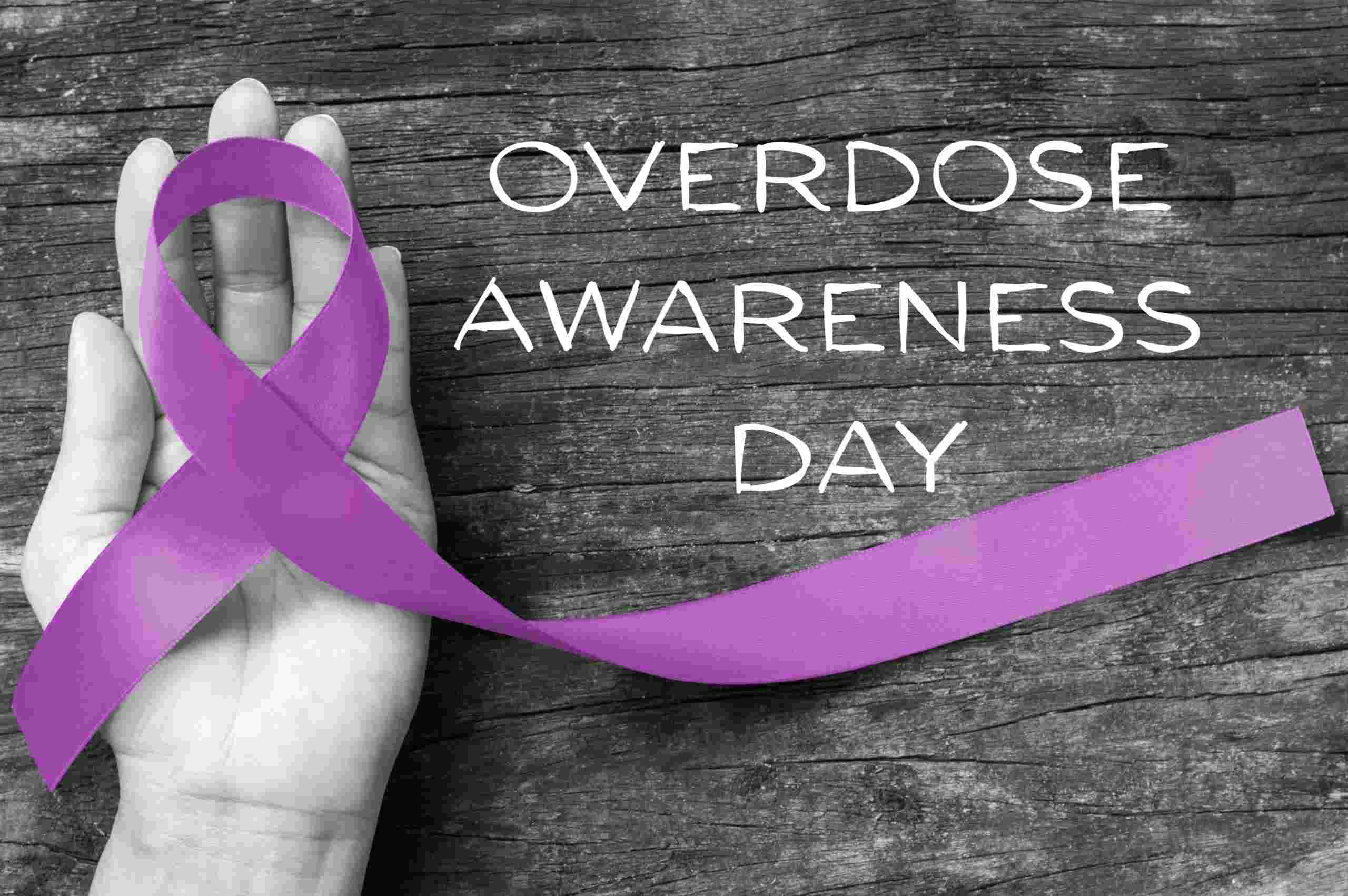
August 31
International Overdose Awareness Day (IOAD) is observed every year on August 31 to remember people who have died from overdose, support families and communities affected by loss, reduce stigma, and promote practical, evidence-based ways of preventing overdose deaths. The observance brings together communities around the world for remembrance, education, prevention and action. (Overdose Day)
2026 Theme: “25 Years On. Still Needed.”
The theme for International Overdose Awareness Day 2026 is “25 Years On. Still Needed.” It marks 25 years since the first IOAD event while emphasizing that overdose remains a preventable cause of death and that greater awareness, compassion, treatment and prevention efforts are still necessary. (Overdose Day)
What Is an Overdose?
An overdose occurs when a person takes a substance—such as a medicine, illicit drug, or combination of substances—in an amount that overwhelms the body’s ability to cope with it. Depending on the substance involved, overdose can affect breathing, consciousness, heart function and other vital processes.
Opioids are particularly associated with fatal overdose because they can suppress breathing. The World Health Organization notes that opioids include medicines such as morphine, fentanyl and tramadol as well as other opioid substances, and that opioid overdose can cause death through respiratory depression. (World Health Organization)
Importantly, overdose is not simply a matter of individual choice or moral failure. It can involve many factors, including substance dependence, accidental exposure, interactions between medicines or drugs, changes in tolerance, and unpredictable drug contents.
History of International Overdose Awareness Day
International Overdose Awareness Day began in 2001 in Melbourne, Australia, as a small remembrance event at a Salvation Army needle-exchange service.
The observance gradually expanded. In 2012, Penington Institute took leadership of the campaign and helped transform it from a local remembrance event into an international movement. In 2014, overdose prevention became a central part of the campaign alongside remembrance. (Overdose Day)
Over the years, communities in many countries have organized:
- Memorial ceremonies
- Candlelight vigils
- Educational programmes
- Public discussions
- Naloxone education and training
- Community outreach programmes
- Recovery and support activities
- Purple-lighting campaigns
- Advocacy events
By 2026, the campaign says thousands of voices and more than 1,000 events across 40+ countries participate each year. (Overdose Day)
Why August 31?
August 31 was selected because the original IOAD event took place in Australia. It was the last day of winter there and therefore represented a time for remembrance and reflection, while the approaching spring symbolized hope, renewal and new beginnings. (Overdose Day)
Although August 31 is the official day, many communities organize activities throughout August and into the days surrounding the observance.
Remembering Those Who Died
One of the most important purposes of International Overdose Awareness Day is remembrance.
Every overdose death represents a person—a son or daughter, parent, sibling, spouse, friend, colleague or neighbor. Families may experience profound grief, while stigma can sometimes make that grief even more difficult.
IOAD encourages communities to remember people who have died with dignity, compassion and respect, rather than defining them solely by the circumstances of their death. The campaign provides opportunities for people to share tributes and stories of those they have lost. (Overdose Day)
Reducing Stigma
Stigma can prevent people from seeking help.
People affected by substance use may face judgment, discrimination, isolation or shame. Families may also hesitate to speak openly about an overdose death.
International Overdose Awareness Day seeks to replace stigma with:
- Compassion
- Understanding
- Education
- Respect
- Treatment
- Community support
The campaign emphasizes that people have a right to respectful and comprehensive healthcare and argues that compassionate approaches are necessary for preventing overdose. (Overdose Day)
Overdose Is Preventable
One of the central messages of IOAD is:
Overdose can and must be prevented.
Prevention involves a combination of education, appropriate healthcare, access to treatment, community support, safer practices, early intervention and timely emergency responses.
For opioid overdose specifically, naloxone can rapidly reverse the effects of opioids and restore breathing when administered appropriately. The IOAD educational resources include information about naloxone and overdose response. (Overdose Day)
Because emergency procedures and medication availability differ between countries, people should learn the appropriate response from qualified local health professionals and emergency services.
Recognizing a Possible Overdose
A person experiencing an opioid overdose may show signs such as:
- Being unconscious or difficult to wake
- Little or no response to stimulation
- Slow, shallow or stopped breathing
- Unusual snoring, gurgling or choking sounds
- Pale, grayish or bluish skin or lips
- Limpness
These signs require urgent medical attention. IOAD emphasizes that someone who appears to be sleeping may actually be experiencing an overdose, so it is important not to simply assume they can “sleep it off.” (Overdose Day)
If an overdose is suspected, contact your local emergency medical service immediately and follow the instructions of emergency responders. Where opioid overdose is suspected and naloxone is available and appropriate, it can be a life-saving intervention.
The Importance of Naloxone
Naloxone is a medication capable of temporarily reversing an opioid overdose. It works by displacing opioids from receptors in the brain and can restore normal breathing.
Increasing access to naloxone is an important part of many overdose-prevention strategies. IOAD’s educational resources specifically include information about naloxone/Narcan and its role in overdose response. (Overdose Day)
However, naloxone does not replace emergency medical care. Anyone responding to a suspected overdose should seek emergency assistance.
Families and Communities Need Support
The consequences of overdose extend beyond the person who dies or survives.
Families may experience:
- Grief and bereavement
- Anxiety and depression
- Financial difficulties
- Social isolation
- Feelings of guilt
- Fear of judgment
- Long-term emotional distress
Communities can help by creating safe spaces where families can talk openly, remember loved ones and obtain appropriate support.
International Overdose Awareness Day therefore focuses not only on saving lives but also on supporting people who are grieving and those affected by substance use.
International Overdose Awareness Day Around the World
Communities mark August 31 in many different ways.


Common activities include:
🕯️ Memorial Vigils
People gather to remember those who have died from overdose.
💜 Purple Landmarks
Buildings and landmarks are illuminated in purple, the campaign’s signature color, as a public symbol of remembrance and awareness. (Overdose Day)
🎓 Educational Programmes
Schools, healthcare organizations, community groups and other organizations may conduct educational sessions about overdose prevention.
🤝 Community Meetings
People affected by substance use, healthcare professionals, families and community organizations come together to discuss solutions.
📢 Awareness Campaigns
Organizations use social media, posters, public talks and other communications to challenge stigma and spread prevention information.
The official campaign maintains a global events map where communities can register activities taking place around August 31. (Overdose Day)
International Overdose Awareness Day in India
India is also part of the global conversation surrounding overdose awareness and prevention. The official IOAD events archive has documented activities in several Indian locations, including Aligarh, Amritsar, Imphal, Mohali and Pune, demonstrating participation by educational institutions, health organizations and community groups. (Overdose Day)
In India, awareness efforts can be particularly valuable in encouraging people to seek professional help for substance-use problems without fear or shame, while strengthening community knowledge about emergency response and treatment.
What Can We Do on August 31?
Individuals and organizations can observe International Overdose Awareness Day by:
- Remembering those who have died.
- Supporting grieving families.
- Learning about overdose prevention.
- Learning how to recognize an overdose emergency.
- Learning about naloxone where it is legally and medically available.
- Encouraging people to seek professional treatment.
- Challenging harmful stereotypes and stigma.
- Sharing reliable health information.
- Organizing a memorial or educational programme.
- Lighting a building or landmark purple.
- Supporting evidence-based community programmes.
- Listening compassionately to people affected by substance use.
The official 2026 campaign also provides downloadable campaign, education, advocacy and social-media resources for communities. (Overdose Day)
The Six Principles of IOAD
The International Overdose Awareness Day campaign identifies six guiding principles:
- Overdose can and must be prevented.
- Overdose prevention solutions exist and should be used.
- Compassionate alternatives to criminalization are needed.
- Policies should protect individuals, communities and basic human rights.
- Everyone deserves respectful and comprehensive healthcare.
- Ending overdose requires a community-wide effort. (Overdose Day)
These principles place human dignity, prevention and community action at the center of the observance.
A Message of Hope
International Overdose Awareness Day is ultimately about more than remembering tragedy. It is about believing that fewer lives have to be lost.
The 2026 theme, “25 Years On. Still Needed,” recognizes the progress made over a quarter century while acknowledging that overdose continues to affect communities worldwide. The campaign emphasizes that effective prevention strategies exist and that greater access to education, care, support and life-saving interventions can make a difference. (Overdose Day)
The goal is a future in which every person affected by substance use can receive help without shame, every family can receive compassionate support, and preventable deaths become increasingly rare.
International Overdose Awareness Day — Key Facts
| Fact | Information |
|---|---|
| Date | August 31 |
| First observed | 2001 |
| Origin | Melbourne, Australia |
| International leadership | Penington Institute since 2012 |
| 2026 theme | 25 Years On. Still Needed. |
| Main focus | Remembrance, awareness, prevention and action |
| Campaign color | Purple |
| Major message | Overdose is preventable |
| Key prevention tool for opioid overdose | Naloxone |
| Official campaign | International Overdose Awareness Day |
Conclusion
International Overdose Awareness Day is a day to remember without judgment, educate without fear, support without stigma and act to save lives.
August 31 reminds the world that behind every overdose statistic is a human life and behind every loss are families and communities. By combining compassion with evidence-based prevention, treatment and emergency response, society can move toward a future where fewer people die from overdose—and where those who need help can reach it in time.
“Remember. Educate. Prevent. Act.”
Official resource: International Overdose Awareness Day — Official Website
Leave a Reply