

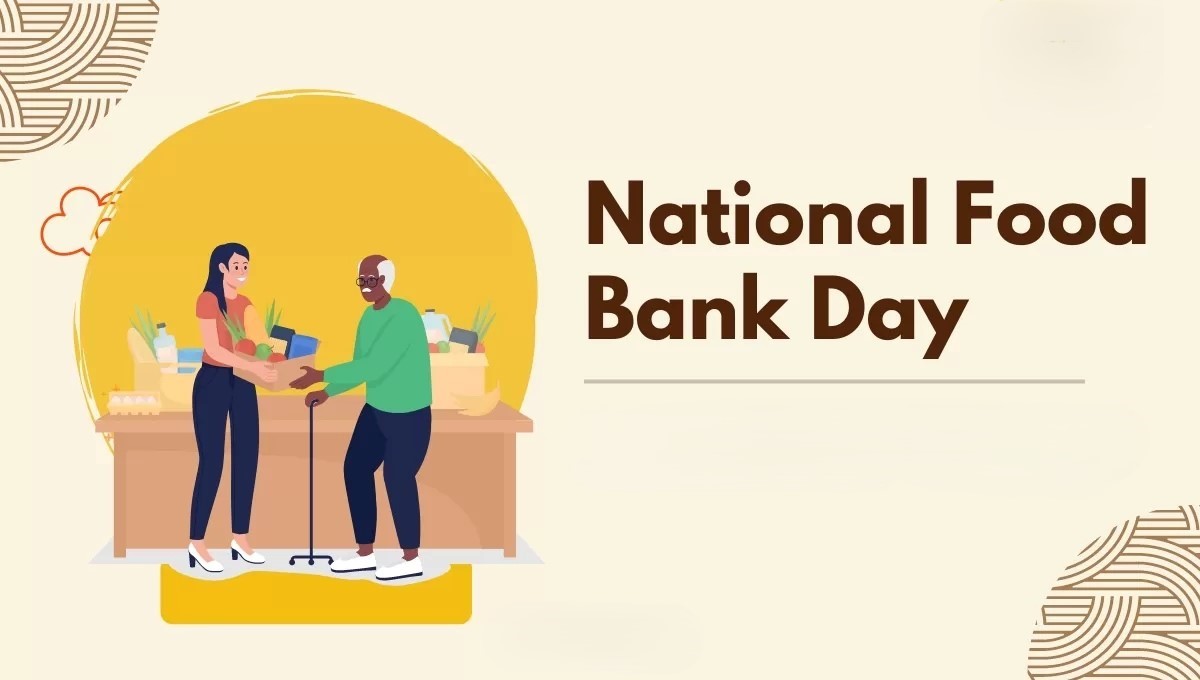
Fighting Hunger, Reducing Food Waste and Building Stronger Communities
National Food Bank Day is observed annually on September 4 in the United States. It recognizes the vital work of food banks and food pantries that help provide nutritious food to people and families experiencing hunger.
The day is also an opportunity for individuals, businesses, schools, churches, community organizations and governments to consider how they can help address food insecurity and reduce unnecessary food waste.
A meal shared with someone who is hungry is more than food—it is an act of compassion, dignity and solidarity.


🥫 What Is National Food Bank Day?
National Food Bank Day celebrates the organizations and volunteers working to ensure that people have access to food when they cannot afford enough for themselves or their families.
Food banks collect, store and distribute food through networks that may include:
- Food pantries
- Community kitchens
- Shelters
- Schools
- Charitable organizations
- Religious institutions
- Community centers
- Emergency assistance programs
Food banks often depend heavily on donations and volunteers.
National Food Bank Day encourages people to learn about hunger in their communities and contribute through food donations, financial support, volunteering or simply spreading awareness.
🍞 What Is a Food Bank?
A food bank is an organization that collects and distributes food to organizations and communities that serve people experiencing food insecurity.
Food may come from:
- Grocery stores
- Food manufacturers
- Farms
- Restaurants
- Individuals
- Community food drives
- Government programs
- Charitable organizations
The food bank typically sorts, stores and distributes these supplies through partner agencies.
A food pantry, by contrast, generally distributes food directly to individuals and families.
The two terms are sometimes used interchangeably, but they can serve different roles within a food-assistance network.
🌎 The Problem of Food Insecurity
Food insecurity occurs when people do not have reliable access to enough food for an active, healthy life.
It can affect:
- Children
- Older adults
- Working families
- Unemployed people
- People experiencing homelessness
- Students
- People affected by disasters
- Low-income households
- Communities affected by economic crises
Food insecurity is not always visible.
A person who appears to have a job and a home may still struggle to afford sufficient nutritious food after paying for rent, transportation, healthcare, education and other necessities.
👧 Children and Hunger
Children are particularly vulnerable to the effects of inadequate nutrition.
Regular access to nutritious food is important for:
- Physical growth
- Brain development
- Concentration
- Learning
- Energy
- Immune function
- Emotional well-being
Schools and community organizations can therefore play an important role in identifying and supporting children and families facing food insecurity.
🥗 Food Banks and Nutrition
Modern food banks increasingly focus not only on providing calories, but also on improving the nutritional quality of the food they distribute.
Healthy food donations can include:
- Rice and whole grains
- Beans and lentils
- Canned vegetables
- Fresh fruits and vegetables
- Canned fish
- Peanut butter and other nutritious spreads
- Shelf-stable milk
- Healthy soups
- Infant and children’s foods where appropriate
Donors should check with their local food bank because organizations may have specific needs and restrictions.
♻️ Food Banks and Food Waste
Food donation can also help prevent edible food from unnecessarily becoming waste.
Supermarkets, farms, manufacturers and households may sometimes have food that is still safe and suitable for consumption but cannot be sold or used commercially.
Food-rescue programs can redirect some of these supplies toward people who need them.
This creates a powerful connection:
Rescue surplus food → Reduce waste → Feed people → Strengthen communities
However, donated food must be safe to eat. Expired, spoiled or improperly stored food should never be donated.
🤝 The Importance of Volunteers
Food banks could not perform their work without volunteers in many communities.
Volunteers may:
📦 Pack food boxes
🥫 Sort donated food
🚚 Load and unload supplies
🧑🍳 Prepare meals
🌱 Help with community gardens
📋 Organize food drives
📣 Raise awareness
🤝 Assist families receiving food
Volunteering can be a meaningful way for individuals and families to understand the realities of food insecurity and contribute directly to their communities.
💚 How to Observe National Food Bank Day
There are many ways to participate.
1. Donate Food
Collect non-perishable foods and donate them to a reputable local food bank or pantry.
Before donating, check what the organization currently needs.
2. Give Financially
Financial donations can allow food banks to purchase foods they particularly need and cover transportation, refrigeration, storage and distribution costs.
3. Volunteer
Give a few hours to help sort, pack or distribute food.
4. Organize a Food Drive
Schools, offices, churches, clubs and neighborhood groups can organize food-collection campaigns.
5. Support Local Farmers
Buying locally produced food can help strengthen agricultural communities and, where appropriate, support food-donation programs.
6. Reduce Household Food Waste
Plan meals, store food properly and use leftovers creatively.
7. Teach Children About Hunger
Children can participate in age-appropriate food drives and learn the importance of sharing and compassion.
🏫 National Food Bank Day in Schools
Schools can turn the observance into an educational and service-learning opportunity.
Possible activities include:
- Food drives
- Poster competitions
- Essay writing
- Discussions about hunger and nutrition
- Visits to food banks
- Volunteer activities
- Collection of school supplies along with food
- Lessons about food waste
- Community-service projects
A simple school campaign can teach children an important lesson:
Food is a basic necessity, and helping someone who is hungry is a responsibility we can all share.
⛪ Churches and Religious Communities
Churches and other faith communities have historically played important roles in feeding people experiencing poverty and hardship.
Congregations can organize:
- Food collections
- Community kitchens
- Meal programs
- Emergency food assistance
- Outreach to elderly people
- Support for homeless people
- Partnerships with local food banks
The principle behind such efforts is universal:
No one should have to face hunger alone.
🇮🇳 Food Banks and Hunger Relief in India
Although National Food Bank Day is an American observance, its central message is relevant worldwide—including India.
India has numerous charitable organizations, community kitchens, food-rescue initiatives and food-distribution programs working to address hunger and food insecurity.
Organizations and local groups may collect:
- Rice
- Wheat
- Dal
- Cooking oil
- Sugar
- Salt
- Canned foods
- Packaged foods
- Fresh produce
India’s vast diversity also means that effective hunger-relief programs need to take local dietary traditions, nutritional requirements and community conditions into account.
In Kerala, for example, community organizations, parishes, charitable institutions and volunteer groups can contribute through food kits, community meals and assistance to vulnerable families.
🌾 Hunger and Food Security
Food banks provide immediate assistance, but they cannot by themselves solve the deeper causes of hunger.
Long-term food security also depends on:
- Poverty reduction
- Employment
- Affordable housing
- Agricultural development
- Education
- Healthcare
- Social protection
- Sustainable food systems
- Climate resilience
- Reduced food waste
Therefore, food banks are an important safety net, while broader social and economic policies are needed to address the structural causes of food insecurity.
📊 Food Bank vs. Food Pantry
| Food Bank | Food Pantry |
|---|---|
| Usually operates as a larger distribution organization | Usually distributes food directly to people |
| Collects large quantities of food | Receives food from food banks and other sources |
| Supplies partner organizations | Serves local households |
| May operate warehouses | Often operates from a community facility |
| Can distribute food across a region | Usually serves a more localized population |
Both are important parts of the hunger-relief system.
🌟 Inspiring the Spirit of Giving
National Food Bank Day is ultimately about community.
One person’s contribution may appear small:
- One bag of rice
- One box of cereal
- One can of vegetables
- One hour of volunteering
- One financial donation
But when thousands of people contribute, small acts become a powerful collective response to hunger.
🥫 What Makes a Good Food Donation?
Generally useful donations often include non-perishable, nutritious and unopened foods.
Examples include:
- Rice
- Pasta
- Lentils
- Beans
- Oats
- Whole-grain cereals
- Canned vegetables
- Canned fruits
- Nut butters
- Shelf-stable milk
- Canned fish
- Cooking staples
Always check the individual food bank’s current guidelines because needs vary.
🌍 Important Message
National Food Bank Day reminds us that hunger is not simply a question of food availability.
The world produces enormous quantities of food, yet many people still struggle to obtain enough nutritious food.
The challenge is therefore also about access, affordability, distribution, waste and social inequality.
Food banks help bridge part of this gap by connecting available food with people who need it.
📅 Quick Facts About National Food Bank Day
| Category | Details |
|---|---|
| Name | National Food Bank Day |
| Date | September 4 |
| Observed primarily in | United States |
| Main focus | Food banks, hunger relief and community service |
| Key activities | Food donation, volunteering and awareness |
| Related issues | Food insecurity, poverty, nutrition and food waste |
| Who can participate? | Individuals, families, schools, businesses, charities and community groups |
❤️ Conclusion
National Food Bank Day is a day to remember that hunger can affect people in every community.
Food banks and food pantries provide much more than groceries. They provide hope, dignity, practical assistance and a connection to a caring community.
The day encourages everyone to ask a simple question:
“What can I share with someone who has less than I do?”
Sometimes the answer is food. Sometimes it is money. Sometimes it is time. Sometimes it is simply helping someone find the assistance they need.
Whatever form it takes, generosity can make a real difference.
“When we share food, we share hope.”
🥫 National Food Bank Day
September 4
Donate. Volunteer. Share. Reduce food waste. Fight hunger. Build community.
Leave a Reply