

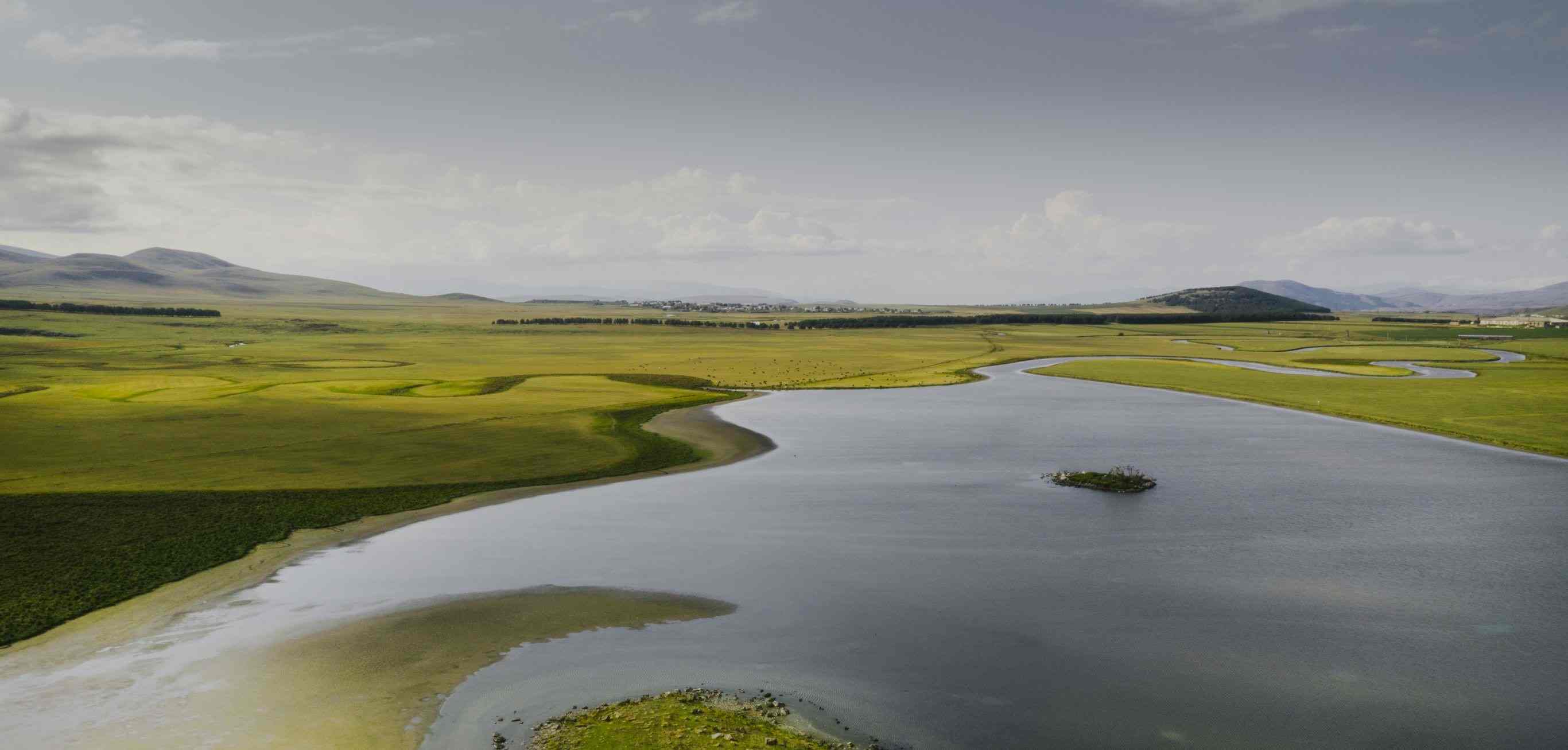
Celebrating and Protecting the World’s Lakes
World Lake Day is observed annually on August 27 to recognize the enormous ecological, social, cultural and economic importance of lakes and to encourage their protection, conservation, restoration and sustainable management.
The United Nations General Assembly officially designated August 27 as World Lake Day on December 12, 2024, through Resolution A/RES/79/142. The first official observance took place on August 27, 2025.
The day provides a global opportunity to remind governments, communities, scientists, students and individuals that protecting lakes means protecting water, biodiversity, livelihoods, food security and the future of millions of people.
🌊 What Is World Lake Day?
World Lake Day is a United Nations observance dedicated to increasing awareness of the importance of lakes and encouraging sustainable lake management.
The UN calls for activities that promote education and awareness about lakes and support their:
- Preservation
- Conservation
- Restoration
- Sustainable management
- Biodiversity protection
- Water-quality protection
The observance is facilitated by the United Nations Environment Programme (UNEP).
📅 Why Is World Lake Day Celebrated on August 27?
The date has historical significance.
On August 27, 1984, the first World Lake Environment Conference opened in Shiga Prefecture, Japan, home to Lake Biwa, Japan’s largest freshwater lake.
Four decades later, the United Nations selected August 27 as World Lake Day, linking the new global observance to the history of international cooperation on lake conservation.
The UN General Assembly adopted the resolution without a vote on December 12, 2024.
💧 Why Are Lakes Important?
Lakes are much more than beautiful landscapes. They are essential components of Earth’s freshwater systems and support both human societies and natural ecosystems.
According to the United Nations, there are more than 117 million lakes on Earth, covering nearly 4 percent of the planet’s land surface. Lakes and reservoirs contain more than 90 percent of the world’s liquid surface freshwater.
1. Sources of Freshwater
Lakes provide water for:
- Drinking
- Agriculture
- Livestock
- Industry
- Household needs
- Irrigation
- Fisheries
For many communities, lakes are essential sources of accessible freshwater.
2. Homes for Biodiversity
Lakes provide habitats for an extraordinary variety of life, including:
- Fish
- Amphibians
- Birds
- Aquatic mammals
- Reptiles
- Insects
- Algae
- Aquatic plants
- Microorganisms
Healthy lakes therefore play a crucial role in maintaining biodiversity.
3. Food and Livelihoods
Millions of people depend directly or indirectly on lakes for their livelihoods.
Fishing communities obtain food and income from lake fisheries, while agriculture around lakes supports farmers and rural economies.
Lakes can also support tourism, recreation, transportation and local businesses.
4. Climate Regulation
Lakes contribute to climate regulation and help moderate local environmental conditions.
They can store carbon, retain floodwater and provide important natural services that help communities respond to climate-related pressures.
5. Protection Against Floods and Droughts
Healthy lake ecosystems can help regulate water flows.
They can temporarily store excess water during heavy rainfall while providing water during dry periods.
This makes lake conservation an important part of climate adaptation and disaster-risk reduction.
🌍 Major Threats Facing the World’s Lakes
Despite their importance, lakes around the world are under increasing pressure.
1. Pollution
Pollution is among the greatest threats to lake ecosystems.
Sources include:
- Industrial waste
- Sewage
- Agricultural runoff
- Fertilizers
- Pesticides
- Plastic waste
- Household waste
- Mining activities
- Untreated wastewater
Excess nutrients entering lakes can cause eutrophication, encouraging excessive growth of algae and reducing oxygen available to aquatic organisms.
2. Climate Change
Climate change is altering lake ecosystems in many parts of the world.
Rising temperatures can increase evaporation and change lake water levels. Changes in rainfall patterns can produce both drought and flooding.
UNEP warns that climate change, pollution and over-abstraction are already causing serious changes to lakes around the world.
3. Excessive Water Extraction
Water is increasingly being withdrawn from lakes and their surrounding watersheds for agriculture, cities and industry.
When extraction exceeds natural replenishment, lake levels can decline dramatically.
4. Loss of Biodiversity
Pollution, invasive species, habitat destruction, overfishing and climate change can cause major declines in lake biodiversity.
The UN has highlighted the alarming decline of freshwater species as one reason urgent action is needed.
5. Plastic and Solid Waste
Plastic bottles, bags, packaging and other waste can enter lakes through rivers, stormwater and direct dumping.
Such pollution can injure wildlife, degrade habitats and reduce water quality.
6. Urbanization and Development
Rapid urban development around lakes can destroy wetlands, vegetation and natural drainage systems.
Construction along shorelines can also increase erosion and disturb wildlife habitats.
🐟 Lakes and Biodiversity
A healthy lake is a complex living ecosystem.
Fish depend on aquatic plants and microorganisms. Birds depend on fish and insects. Amphibians require clean water and suitable shoreline habitats. Plants help provide oxygen and shelter.
When one part of this system is damaged, the effects can spread throughout the ecosystem.
Protecting a lake therefore means protecting its entire watershed and surrounding ecosystem, not simply keeping the visible water surface clean.
🌱 What Does Sustainable Lake Management Mean?
Sustainable lake management means using lake resources in ways that meet present needs while ensuring that lakes remain healthy for future generations.
It can include:
- Monitoring water quality
- Controlling pollution
- Treating wastewater
- Reducing agricultural runoff
- Protecting wetlands
- Restoring natural vegetation
- Managing fisheries sustainably
- Controlling invasive species
- Regulating water extraction
- Protecting lake shorelines
- Restoring damaged ecosystems
- Involving local communities
The UN resolution emphasizes integrated, coordinated and collaborative approaches to lake management.
🇮🇳 World Lake Day and India
India is home to thousands of natural and artificial lakes, ranging from Himalayan high-altitude lakes to large freshwater systems, urban lakes and wetlands.
Important examples include:
🏔️ Dal Lake – Kashmir
Famous for its scenic beauty, houseboats, gardens and cultural significance.
🌊 Wular Lake – Jammu and Kashmir
One of Asia’s major freshwater lakes and an important wetland ecosystem.
🐦 Chilika Lake – Odisha
A vast brackish-water lagoon famous for migratory birds, fisheries and biodiversity.
🌿 Loktak Lake – Manipur
Known for its distinctive floating islands called phumdis.
🌾 Vembanad Lake – Kerala
One of India’s major backwater systems and an important part of Kerala’s ecology, agriculture, fishing and tourism.
🐦 Kolleru Lake – Andhra Pradesh
An important freshwater lake and bird habitat.
🌳 Sambhar Lake – Rajasthan
India’s largest inland salt lake and an important habitat for birds.
World Lake Day offers India an opportunity to strengthen efforts to protect these diverse aquatic ecosystems.
🌴 Lakes and Kerala
Lakes and lake-like wetland systems are particularly important in Kerala.
The state’s interconnected backwaters, lagoons, rivers, wetlands and lakes support fishing, agriculture, transportation, tourism and biodiversity.
Vembanad Lake, for example, is closely connected with the social and economic life of central Kerala.
Other important lake and wetland ecosystems include Ashtamudi Lake and Sasthamkotta Lake.
Protecting Kerala’s water bodies requires attention not only to the water itself but also to:
- Wetlands
- Mangroves
- Paddy fields
- Rivers
- Canals
- Shorelines
- Catchment areas
The health of one water body is often connected to the health of the larger watershed.
🧑🤝🧑 How Can We Celebrate World Lake Day?
World Lake Day should not remain simply a day of awareness. It can become a day of action.
Individuals can:
- Avoid throwing waste into water bodies.
- Reduce single-use plastics.
- Participate in lake-cleaning activities.
- Avoid unnecessary use of water.
- Learn about local lakes and wetlands.
- Plant appropriate native vegetation where suitable.
- Report illegal dumping and pollution.
- Encourage others to respect water ecosystems.
Schools can:
- Organize lake-awareness programs.
- Conduct poster and essay competitions.
- Arrange nature walks.
- Study local aquatic ecosystems.
- Organize clean-up campaigns.
- Create biodiversity observation projects.
- Invite environmental experts for talks.
Communities can:
- Organize shoreline clean-ups.
- Monitor local water bodies.
- Protect wetlands.
- Promote responsible fishing.
- Work with local authorities.
- Prevent dumping and sewage discharge.
🎓 World Lake Day Activities for Students
Schools and colleges can make World Lake Day educational and enjoyable.
Suggested activities
1. Lake Awareness Poster Competition
Students create posters showing why lakes matter.
2. “Adopt a Lake” Project
Students select a nearby lake and document its condition.
3. Biodiversity Survey
Students identify birds, insects, plants and fish around a local water body.
4. Photography Competition
Theme: “Our Lake, Our Life.”
5. Essay Competition
Possible topic: “Why Saving Lakes Means Saving Our Future.”
6. Clean Water Campaign
Students create awareness materials encouraging responsible waste disposal.
7. Lake Quiz
Questions can cover geography, ecology, biodiversity and famous lakes of the world.
🌎 Famous Lakes of the World
Some of the world’s best-known lakes include:
- Lake Superior – North America
- Lake Victoria – Africa
- Lake Tanganyika – Africa
- Lake Baikal – Russia
- Lake Titicaca – Peru and Bolivia
- Caspian Sea – the world’s largest enclosed inland water body
- Lake Malawi – Africa
- Lake Geneva – Switzerland and France
- Lake Como – Italy
- Lake Tahoe – United States
- Lake Biwa – Japan
- Great Salt Lake – United States
Each has unique ecological, geographical, cultural and economic characteristics.
🌱 World Lake Day and the Sustainable Development Goals
Protecting lakes contributes to several UN Sustainable Development Goals (SDGs).
SDG 6 – Clean Water and Sanitation
Healthy lakes are essential freshwater resources.
SDG 2 – Zero Hunger
Sustainable lake fisheries and agriculture contribute to food security.
SDG 3 – Good Health and Well-being
Clean water and healthy environments support human health.
SDG 8 – Decent Work and Economic Growth
Fishing, tourism and other lake-dependent activities provide livelihoods.
SDG 13 – Climate Action
Healthy aquatic ecosystems can contribute to climate adaptation and resilience.
SDG 14 – Life Below Water
Although focused primarily on marine ecosystems, biodiversity conservation principles also reinforce broader aquatic ecosystem protection.
SDG 15 – Life on Land
Freshwater ecosystems are an essential component of terrestrial ecological systems.
🌏 World Lake Day 2026
August 27, 2026 marks the second annual observance of World Lake Day.
The United Nations is commemorating the day with a focus on strengthening international cooperation for sustainable lake management. A UN event on August 27, 2026 highlights the importance of lakes for ecosystems, economies, food security, drinking water and climate regulation.
Indonesia’s environment ministry has promoted the 2026 observance under the theme “Healthy Lakes, Saving Generation”, encouraging activities such as environmental education, lake and shoreline clean-ups, planting around lake catchments, public campaigns and stronger local lake-management institutions.
💚 A Simple Message for World Lake Day
“A lake is more than a body of water. It is a home for life, a source of food and water, a protector against climate risks, and a part of our shared natural heritage.”
When we protect lakes, we protect:
Water.
Wildlife.
Food.
Livelihoods.
Climate resilience.
Communities.
Future generations.
📌 World Lake Day – Quick Facts
| Fact | Information |
|---|---|
| Date | August 27 |
| Established by | United Nations General Assembly |
| Resolution | A/RES/79/142 |
| Designation | December 12, 2024 |
| First observance | August 27, 2025 |
| 2026 observance | August 27, 2026 |
| Main purpose | Awareness and sustainable lake management |
| UN agency facilitating observance | UNEP |
| Date connection | First World Lake Environment Conference, Japan, 1984 |
| Key themes | Conservation, restoration, biodiversity, water security and sustainable management |
The UN resolution specifically calls for education and awareness-raising and for the preservation, conservation, restoration and sustainable management of lakes and related ecosystems.
🌊 Conclusion
World Lake Day is a reminder that the future of humanity is closely connected to the future of freshwater ecosystems.
Lakes provide water, food, livelihoods, biodiversity, recreation and cultural value. Yet pollution, climate change, excessive water extraction, habitat destruction and biodiversity loss are placing many lakes under growing pressure.
The good news is that lake degradation is not inevitable. Governments, scientists, communities, businesses, schools and individuals can work together to protect and restore these precious ecosystems.
On August 27, let us look beyond the beauty of a lake and recognize the life and communities that depend upon it.
Protect the lake. Protect the water. Protect life. Protect our future.
Happy World Lake Day! 🌊🌿🐟💧
Useful official resources:
United Nations – World Lake Day
UNEP – World Lake Day
Leave a Reply