

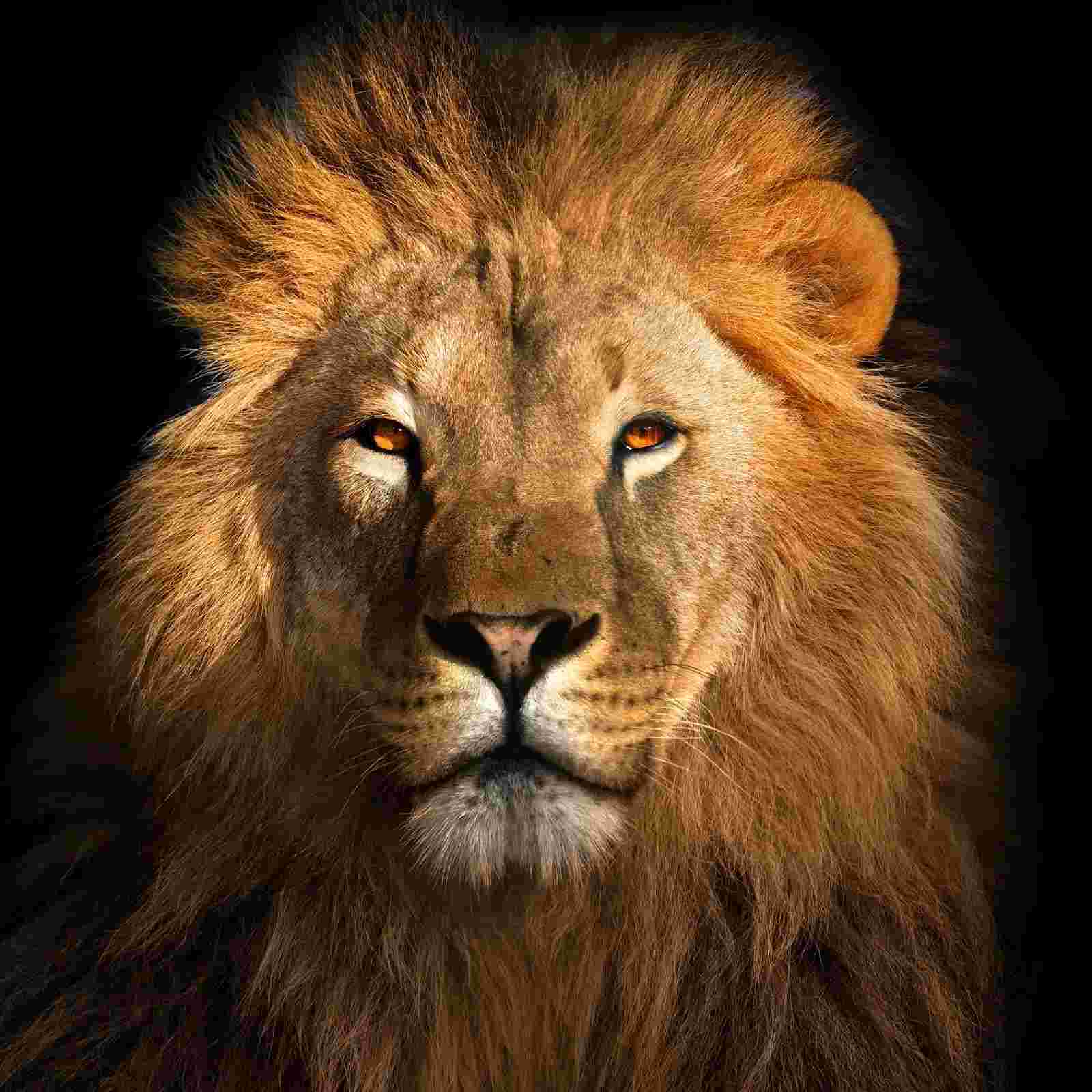
World Lion Day – August 10
Every year on August 10, the world observes World Lion Day, a day dedicated to celebrating one of the planet’s most iconic animals and drawing attention to the challenges facing wild lions. The lion has long been a symbol of courage, strength, leadership and majesty. Yet behind this powerful image is a species that needs our protection.
image_group{“layout”:”carousel”,”aspect_ratio”:”16:9″,”query”:[“African lion in natural habitat”,”lion pride African savanna”,”lioness with cubs wildlife”,”Asiatic lion Gir Forest India”]}
More Than Just the “King of the Jungle”
Although lions are popularly called the King of the Jungle, most wild lions actually live in grasslands, savannas, scrublands and open woodlands, rather than jungles.
Lions are unique among big cats because they are highly social. They live in family groups known as prides, usually made up of related females, their cubs and a smaller number of adult males. Lionesses often cooperate in hunting and raising cubs, demonstrating remarkable teamwork.
Their social nature is one of the characteristics that makes lions so fascinating—and makes the loss of even a small number of individuals potentially significant to an entire pride.
A Species Under Pressure
Wild lions face a number of serious threats. Their natural habitats are increasingly affected by agricultural expansion, human settlements, infrastructure development and climate pressures. As their habitat becomes fragmented, encounters between people and lions can increase.
Conflict with humans is one of the most significant challenges. Lions may sometimes kill livestock, while communities may lose valuable animals and income. Without effective measures to protect both people and wildlife, such conflicts can have devastating consequences for lions.
Other threats include illegal wildlife trade, indiscriminate killing, depletion of natural prey and poorly managed tourism.
Protecting lions therefore requires more than simply protecting individual animals. It means protecting the landscapes and communities that form the foundation of their survival.
India’s Remarkable Asiatic Lion
For India, World Lion Day carries a special significance.
The Asiatic lion (Panthera leo persica), once found across large parts of western and southern Asia, now survives in the wild primarily in and around Gujarat’s Gir landscape.


The story of the Asiatic lion is both a warning and a conservation success story. After suffering a dramatic decline in numbers, concerted conservation efforts helped the population recover.
The lion has become an important symbol of Gujarat’s natural heritage, while the wider Gir ecosystem demonstrates what sustained conservation, habitat protection and community participation can achieve.
The recovery of the Asiatic lion also reminds us that conservation can work—but it requires long-term commitment.
Why Lions Matter
Lions are not merely beautiful animals to admire from a distance. They play an important ecological role as major predators.
By hunting herbivores and influencing their populations and behaviour, lions contribute to the balance of their ecosystems. Their presence is therefore connected to the health of the wider natural environment.
Protecting lions can also mean protecting grasslands, forests, prey species, water sources and countless other forms of biodiversity that share the same landscape.
In this sense, saving the lion is not simply about saving one species. It is about conserving an entire ecosystem.
Conservation Must Include People
One of the most important lessons in modern wildlife conservation is that people and wildlife cannot be treated as separate worlds.
Millions of people live in and around landscapes inhabited by wild animals. Conservation efforts are most successful when local communities are partners rather than outsiders.
Supporting communities through responsible tourism, livestock-protection measures, compensation mechanisms, education and sustainable livelihoods can help reduce conflict and create stronger incentives for wildlife conservation.
A future for lions must also be a future in which people living alongside them can thrive.
What Can We Do?
Most of us will never encounter a wild lion. But that does not mean we cannot contribute to its protection.
We can:
- Support credible wildlife and habitat-conservation organisations.
- Choose responsible wildlife tourism that respects animals and their natural behaviour.
- Never purchase products made from endangered or illegally traded wildlife.
- Learn about the challenges faced by local communities living near wildlife habitats.
- Share accurate information about lions and conservation.
- Encourage children and young people to appreciate wildlife and natural ecosystems.
- Support policies and conservation programmes that protect habitats and biodiversity.
Even small actions can contribute to a larger culture of conservation.
A Future Where Lions Still Roar
The roar of a lion is one of nature’s most unforgettable sounds. But the true measure of conservation success will not be how often we hear that roar in photographs, documentaries or tourist destinations. It will be whether wild lions continue to live freely in healthy ecosystems for generations to come.
World Lion Day invites us to admire the lion—but also to look beyond its majestic appearance.
The lion’s future depends on healthy habitats, abundant prey, responsible human behaviour, scientific conservation and communities that can live alongside wildlife.
The real strength of the “King of the Wild” may ultimately depend on our willingness to protect the world that sustains him.
On World Lion Day, let us celebrate the lion—not only as a symbol of strength and courage, but as a living part of our planet’s extraordinary natural heritage.
Protect the habitat. Respect the wildlife. Support the communities. Let the lions roar.
— Nelsapy.com
Leave a Reply