

Celebrating One of the World’s Most Beloved Savoury Snacks
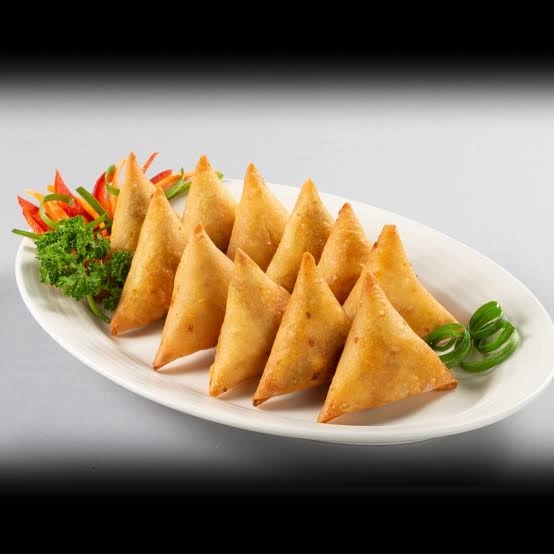
World Samosa Day is an occasion to celebrate the samosa, one of South Asia’s best-known savoury snacks and a food that has travelled far beyond the Indian subcontinent. Crispy on the outside, richly seasoned on the inside, and usually served with chutney, the samosa has become a favourite street food, tea-time snack and party dish in many parts of the world.
The samosa is especially associated with India, but its story is much older and more international than many people realize. Its ancestors can be traced to the Middle East and Central Asia, from where versions of the dish travelled eastward through trade, migration and cultural exchange.


📅 When Is World Samosa Day?
World Samosa Day is commonly observed on September 5.
It is a food-themed observance celebrating the samosa and its enormous popularity around the world.
Unlike internationally established UN observances, World Samosa Day is primarily a popular food and social-media observance, rather than a formal international holiday established by an intergovernmental organization.
🥟 What Is a Samosa?
A samosa is a filled pastry that is usually:
- Made with a thin dough
- Filled with a savoury mixture
- Folded into a triangular or other shape
- Sealed
- Deep-fried or, in some modern versions, baked or air-fried
The most familiar Indian version is filled with:
- Potato
- Green peas
- Onion
- Green chilli
- Ginger
- Coriander
- Cumin
- Garam masala
- Other spices
But there are hundreds of variations.
Samosas can contain:
- Vegetables
- Paneer
- Lentils
- Chicken
- Lamb
- Beef
- Fish
- Cheese
- Minced meat
- Nuts
- Dried fruits
There are even sweet versions.
🌍 The Fascinating History of the Samosa
The history of the samosa is a fascinating example of how food travels between civilizations.
Although today the samosa is strongly associated with India, its early history is connected with Persian, Central Asian and Middle Eastern culinary traditions.
Historical references describe dishes resembling samosas under names such as sanbusak, sanbusaq and sambusak.
These were filled pastries that could be carried conveniently during travel.
The dish travelled eastward through merchants, soldiers, travellers and courts.
Eventually, versions of it became deeply established in South Asia.
🕌 Samosa in Medieval India
By the medieval period, filled pastries similar to the modern samosa were known in the Indian subcontinent.
One famous historical reference comes from Amir Khusrau, the celebrated 13th–14th-century poet and scholar associated with the Delhi Sultanate.
Food historian and writer Abu’l-Fazl ibn Mubarak, in the Mughal period, also documented a variety of dishes in the Ain-i-Akbari.
The samosa became increasingly integrated into the culinary culture of northern India.
👑 Samosa and Royal Courts
The samosa was not always merely a cheap street snack.
In medieval South Asia, filled pastries were also enjoyed in elite and royal settings.
The ability to prepare pastry with a variety of fillings made the dish adaptable to different culinary traditions.
Over time, however, the samosa moved far beyond royal kitchens.
It became a food for:
- Markets
- Tea stalls
- Railway stations
- School canteens
- Offices
- Homes
- Weddings
- Festivals
- Restaurants
🇮🇳 The Indian Samosa
Today, the samosa is one of India’s most recognizable snacks.
Although recipes vary enormously from region to region, the classic North Indian samosa generally has a crisp, flaky pastry shell and a spiced potato-and-pea filling.
It is often served with:
🟢 Green chutney
Usually made from coriander, mint, green chilli and spices.
🟤 Tamarind chutney
A sweet-and-sour sauce made using tamarind, jaggery or sugar and spices.
🥣 Yogurt
Some preparations combine samosa with yogurt and chutneys.
🌶️ Popular Types of Samosas
🥔 Aloo Samosa
The classic potato samosa.
Typical ingredients include:
- Potato
- Peas
- Cumin
- Coriander
- Ginger
- Green chilli
- Garam masala
This is probably the variety most closely associated with the word samosa in India.
🧀 Paneer Samosa
A vegetarian variation containing paneer, India’s popular fresh cheese.
It may also contain:
- Onion
- Capsicum
- Peas
- Spices
🍗 Chicken Samosa
Popular in many parts of India and South Asia.
The filling usually consists of seasoned minced chicken with onions and spices.
🥩 Keema Samosa
A meat-filled samosa prepared using minced meat.
It is especially popular in parts of South Asia and among communities with traditions of meat-based samosas.
🧅 Onion Samosa
Particularly popular in parts of southern India.
It is generally smaller and thinner than the classic North Indian samosa and often contains:
- Onion
- Poha or flattened rice
- Green chilli
- Curry leaves
- Spices
🌽 Vegetable Samosa
A mixed-vegetable version may contain:
- Carrot
- Peas
- Corn
- Potato
- Beans
- Spices
🇮🇳 Samosa Across India
One of the fascinating things about the samosa is how differently it appears across India.
North India
Large triangular samosas with potato and peas are extremely popular.
Delhi
Samosas are a classic street-food and tea-time snack.
Punjab
They are commonly enjoyed with chutneys and tea.
Uttar Pradesh
Samosas are deeply embedded in local snack culture.
West Bengal
Samosa is often known as singara, with regional variations in filling.
Gujarat
Gujarati-style samosas may have distinctive fillings and seasoning.
Maharashtra
Samosas are widely eaten as street food and snacks, with regional variations.
South India
Smaller, crispier samosas and onion-filled varieties are particularly popular.
Kerala
Samosas are common in bakeries, tea shops and Malabar Muslim culinary traditions, with fillings ranging from vegetables to meat.
🇰🇪 Samosa in East Africa
The samosa’s international journey is particularly evident in East Africa.
Countries including:
- Kenya
- Tanzania
- Uganda
- Somalia
have strong traditions of samosa-like filled pastries.
In Kenya, for example, samosas are commonly known as sambusa or samosa and are popular at gatherings and as everyday snacks.
This reflects centuries of cultural exchange across the Indian Ocean.
🌍 Samosa Around the World
The samosa has become a global food.
Today it can be found in:
- United Kingdom
- United States
- Canada
- Australia
- New Zealand
- South Africa
- Gulf countries
- Singapore
- Malaysia
- Fiji
- Mauritius
- East Africa
- Caribbean communities
Indian restaurants around the world frequently include samosas on their menus.
🇬🇧 The British Love Affair With Samosas
Britain has one of the world’s largest South Asian diasporas.
As a result, samosas became a familiar part of British food culture.
They are now found in:
- Indian restaurants
- Supermarkets
- Takeaway shops
- Street-food markets
- Party-food sections
The samosa has become part of Britain’s multicultural culinary landscape.
☕ Samosa and Indian Tea Culture
Few combinations are more recognizable than:
🥟 Samosa + ☕ Chai
A hot cup of Indian tea accompanied by a crispy samosa is a classic combination.
During:
- Rainy afternoons
- Office tea breaks
- Family gatherings
- College breaks
- Evening conversations
the humble samosa often plays a starring role.
🌧️ Why Samosas Are So Popular During Monsoon
In India, samosas are particularly loved during rainy weather.
There is something almost culturally iconic about:
Rain outside + hot chai + crispy samosa
The contrast between cool rainy weather and a freshly fried, spicy snack makes the combination especially appealing.
In many parts of India, monsoon evenings are synonymous with tea and hot snacks.
🥟 How a Traditional Samosa Is Made
A traditional samosa typically involves three stages.
1. Prepare the dough
Flour is mixed with:
- Salt
- Oil or ghee
- Water
The dough is kneaded until firm and allowed to rest.
2. Prepare the filling
Potatoes and other ingredients are cooked with spices.
3. Shape and fry
The dough is divided into portions, rolled out and shaped into cones.
The filling is placed inside.
The edges are sealed.
The samosa is then fried until golden and crisp.
🔺 Why Is a Samosa Triangular?
The triangular shape is now strongly associated with the samosa, particularly in South Asia.
The shape is practical because it creates a convenient pocket for holding filling.
However, samosa-like pastries have historically appeared in different shapes, depending on region and culinary tradition.
Thus, the triangle is not necessarily an ancient universal characteristic of the dish.
🔥 Fried, Baked or Air-Fried?
Traditional samosas are usually deep-fried.
However, modern cooks increasingly prepare:
Baked samosas
They use less oil and are cooked in an oven.
Air-fried samosas
An air fryer can produce a crisp exterior with substantially less oil.
Pan-fried versions
Some recipes use shallow frying.
The cooking method changes the texture, but the basic concept remains the same.
🥗 Are Samosas Healthy?
A samosa can provide carbohydrates, fats and some nutrients depending on the filling.
However, traditional deep-fried samosas can be:
- High in calories
- High in fat
- High in sodium
Therefore, they are best enjoyed as an occasional snack rather than a dietary staple.
Healthier alternatives include:
- Baked samosas
- Air-fried samosas
- Vegetable-rich fillings
- Smaller portions
- Less salty fillings
The nutritional value varies considerably depending on ingredients and preparation.
🌱 Vegetarian Samosa
The vegetarian samosa is especially popular in India.
The classic filling of potato and peas can be supplemented with:
- Carrot
- Beans
- Cauliflower
- Corn
- Spinach
- Paneer
- Lentils
This versatility makes the samosa an excellent canvas for regional culinary creativity.
🌶️ The Spice Profile
A good samosa isn’t necessarily extremely hot.
Its flavour comes from a combination of spices.
Common spices include:
- Cumin
- Coriander
- Fennel
- Black pepper
- Red chilli
- Turmeric
- Garam masala
- Amchur
- Asafoetida
The precise combination differs from one region and recipe to another.
🥟 Samosa Chaat
One of the most delicious modern variations is samosa chaat.
A samosa is broken into pieces and topped with ingredients such as:
- Chickpeas
- Yogurt
- Tamarind chutney
- Green chutney
- Onion
- Coriander
- Chaat masala
- Sev
The result is a combination of:
Crispy + spicy + sweet + sour + creamy + crunchy
It transforms the humble snack into a complete chaat experience.
🎉 Samosa at Celebrations
Samosas are popular at:
- Weddings
- Birthday parties
- Religious gatherings
- Festivals
- Office celebrations
- School events
- Family functions
- Community gatherings
Their convenient size makes them particularly suitable for serving large groups.
💡 Interesting Facts About Samosas
1. The samosa is older than modern India
Its culinary ancestors existed in parts of the Middle East and Central Asia before becoming deeply established in South Asia.
2. It has many names
Depending on the region, related versions are called names such as sambusa, sanbusak, sambusaq, singara/singara and samosa.
3. It is not always triangular
Different cultures have produced different shapes.
4. It is both vegetarian and non-vegetarian
Potato and vegetable fillings are extremely popular, but meat-filled versions are also widespread.
5. It is an international snack
Samosas are eaten across Asia, Africa, Europe, North America and other regions.
6. It has travelled with people
Migration and diaspora communities played an important role in spreading the dish internationally.
7. Samosa can become a full meal
Samosa chaat is one example of how the snack has evolved.
8. There are sweet samosas
Some culinary traditions prepare sweet versions using ingredients such as nuts, dried fruits or sweet fillings.
9. Regional recipes can taste completely different
A samosa in Kolkata can be quite different from one in Delhi, Kerala, East Africa or Central Asia.
10. It is one of India’s most recognizable snacks
Few Indian foods have achieved comparable international recognition.
🧭 From Central Asia to the World
The story of the samosa is ultimately a story about human movement.
Trade routes connected:
Central Asia → Persia → Middle East → South Asia → Southeast Asia → Africa → Europe → the Americas
As people moved, they carried recipes with them.
Each culture then adapted the dish using local:
- Ingredients
- Spices
- Cooking methods
- Food preferences
The result is not one single samosa but a family of related foods.
🥟 Samosa: More Than a Snack
The samosa represents something larger than food.
It demonstrates how cuisine evolves through:
- Migration
- Trade
- Cultural exchange
- Religious interaction
- Empire
- Travel
- Diaspora communities
A food that travelled thousands of kilometres has become so deeply integrated into Indian culture that many people naturally assume it originated entirely in India.
That is the fascinating nature of culinary history.
🌍 World Samosa Day Celebration Ideas
You can celebrate World Samosa Day in many ways.
🥟 Host a samosa tasting
Try different fillings and regional styles.
👨🍳 Make homemade samosas
Prepare traditional potato samosas with family or friends.
🌶️ Experiment with fillings
Try:
- Paneer
- Corn
- Mushroom
- Chicken
- Lentils
- Cheese
- Spinach
🥣 Prepare different chutneys
Serve samosas with:
- Mint-coriander chutney
- Tamarind chutney
- Garlic chutney
- Tomato chutney
🌍 Explore international varieties
Compare Indian samosas with sambusas and related filled pastries from other regions.
📸 Share photographs
Post your favourite samosa and use the occasion to celebrate Indian food culture.
📝 World Samosa Day — Quick Facts
| Feature | Information |
|---|---|
| Occasion | World Samosa Day |
| Commonly observed | September 5 |
| Food | Samosa |
| Category | Savoury filled pastry/snack |
| Strongly associated with | India and South Asia |
| Earlier culinary roots | Middle East/Central Asia |
| Classic Indian filling | Potato and peas |
| Common cooking method | Deep frying |
| Popular accompaniments | Mint/coriander and tamarind chutney |
| Popular variation | Samosa chaat |
| International versions | Sambusa, sanbusak and related pastries |
| Global presence | Asia, Africa, Europe, North America and beyond |
❤️ Why We Love Samosas
Perhaps the greatest secret of the samosa is its simplicity.
A little dough.
A flavourful filling.
A handful of spices.
Some chutney.
And suddenly an ordinary tea break becomes something special.
The samosa has crossed borders, languages and cultures while retaining its essential identity.
From an Indian railway-station tea stall to a London restaurant, from a Kerala bakery to a Kenyan family celebration, the samosa continues to bring people together.
🥟 Happy World Samosa Day!
Crispy outside. Spicy inside. Delicious all around.
World Samosa Day is an opportunity to celebrate not only one of the world’s favourite snacks but also the history of cultural exchange that made the samosa what it is today.
So, whether you prefer an aloo samosa, paneer samosa, chicken samosa, onion samosa or samosa chaat, September 5 is a perfect excuse to enjoy this remarkable little parcel of flavour.
Leave a Reply