

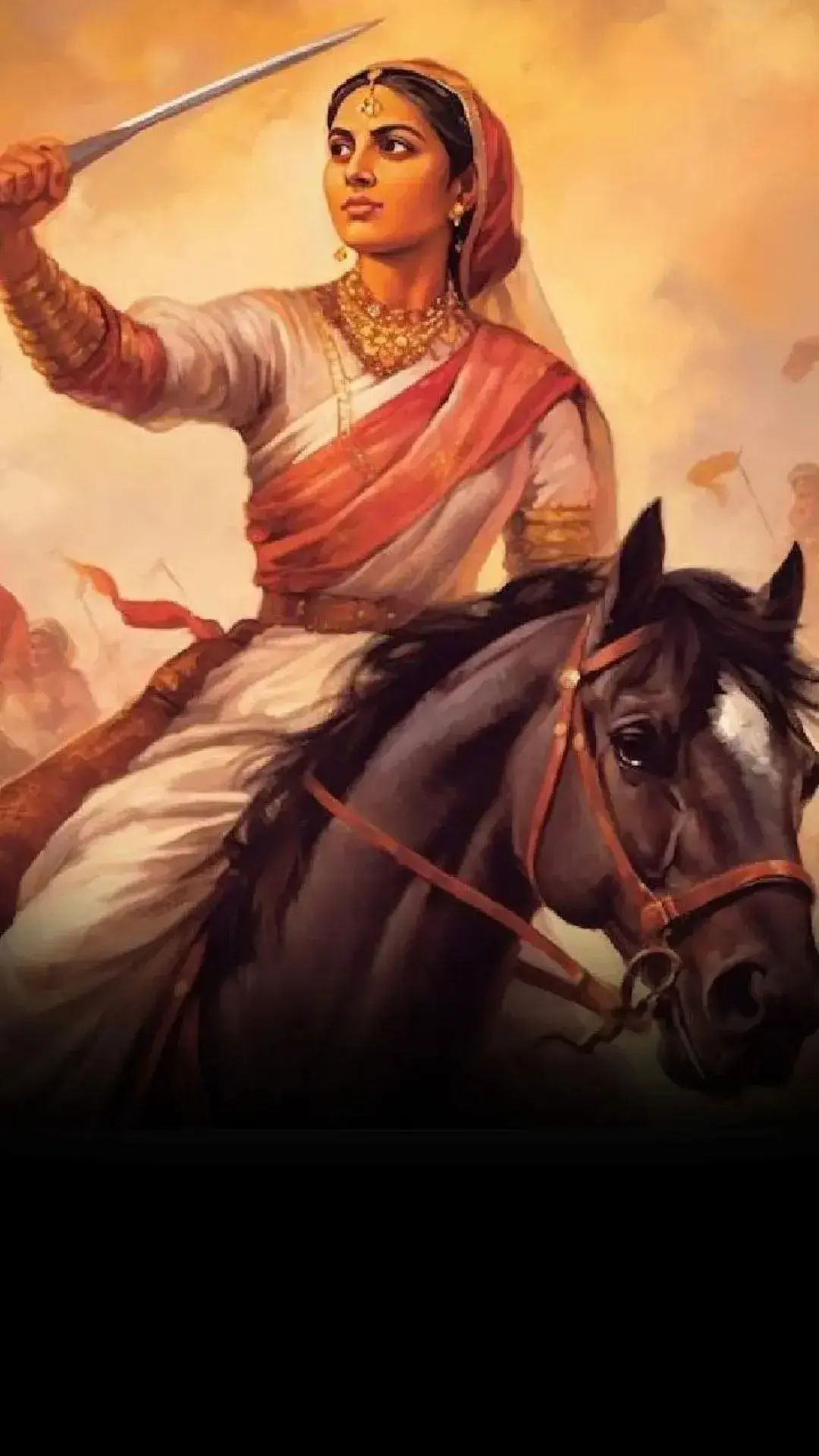
120 General Knowledge Questions and Answers on India’s Freedom Struggle, Great Revolutionaries, National Leaders, Women Freedom Fighters, Revolutionary Movements and the Independence Movement
India’s struggle for independence was a long and courageous journey involving countless freedom fighters who sacrificed their lives, comfort and personal ambitions for the nation’s freedom. From the Revolt of 1857 to the Quit India Movement of 1942, thousands of men and women contributed to the struggle against British colonial rule.
This GK collection covers prominent Indian freedom fighters, revolutionary leaders, women freedom fighters, important movements, historic events and their contributions to India’s independence.
Instructions: Read each question carefully and select the correct answer from the four options. Try to complete all 120 questions without referring to the answer key. The complete answer key is provided at the end.
Section 1: Great Leaders of India’s Freedom Struggle
1. Who is popularly known as the Father of the Nation in India?
A) Jawaharlal Nehru
B) Mahatma Gandhi
C) Subhas Chandra Bose
D) Sardar Vallabhbhai Patel
2. What was the full name of Mahatma Gandhi?
A) Mohandas Karamchand Gandhi
B) Mohanlal Gandhi
C) Manilal Karamchand Gandhi
D) Mohandas Harilal Gandhi
3. Who was the first Prime Minister of independent India?
A) Sardar Vallabhbhai Patel
B) Rajendra Prasad
C) Jawaharlal Nehru
D) Lal Bahadur Shastri
4. Who was popularly known as the Iron Man of India?
A) Bal Gangadhar Tilak
B) Sardar Vallabhbhai Patel
C) Bhagat Singh
D) Gopal Krishna Gokhale
5. Who gave the slogan “Jai Hind”?
A) Mahatma Gandhi
B) Subhas Chandra Bose
C) Jawaharlal Nehru
D) Bhagat Singh
6. Who is popularly known as Netaji?
A) Subhas Chandra Bose
B) Lala Lajpat Rai
C) Chandrashekhar Azad
D) Bipin Chandra Pal
7. Who gave the famous slogan “Give me blood, and I shall give you freedom”?
A) Bhagat Singh
B) Subhas Chandra Bose
C) Mahatma Gandhi
D) Bal Gangadhar Tilak
8. Who was known as the Grand Old Man of India?
A) Dadabhai Naoroji
B) Gopal Krishna Gokhale
C) Motilal Nehru
D) C. Rajagopalachari
9. Who declared, “Swaraj is my birthright and I shall have it”?
A) Mahatma Gandhi
B) Bal Gangadhar Tilak
C) Jawaharlal Nehru
D) Lala Lajpat Rai
10. Who was popularly known as Punjab Kesari?
A) Bhagat Singh
B) Lala Lajpat Rai
C) Udham Singh
D) Kartar Singh Sarabha
Section 2: Revolutionary Freedom Fighters
11. Who was the revolutionary leader executed by the British at the age of 23?
A) Bhagat Singh
B) Sukhdev
C) Rajguru
D) Ram Prasad Bismil
12. Which revolutionary was popularly known as Azad?
A) Ashfaqulla Khan
B) Chandrashekhar Azad
C) Batukeshwar Dutt
D) Surya Sen
13. Who were executed along with Bhagat Singh in 1931?
A) Rajguru and Sukhdev
B) Bismil and Ashfaqulla Khan
C) Azad and Dutt
D) Surya Sen and Prafulla Chaki
14. Which revolutionary organisation was associated with Bhagat Singh?
A) Indian National Army
B) Hindustan Socialist Republican Association
C) Muslim League
D) Servants of India Society
15. Who threw bombs in the Central Legislative Assembly in Delhi in 1929 along with Bhagat Singh?
A) Rajguru
B) Batukeshwar Dutt
C) Chandrashekhar Azad
D) Ram Prasad Bismil
16. Who was the leader of the Chittagong Armoury Raid of 1930?
A) Surya Sen
B) Bhagat Singh
C) Subhas Chandra Bose
D) Khudiram Bose
17. Which young revolutionary was executed by the British in 1908?
A) Khudiram Bose
B) Bhagat Singh
C) Sukhdev
D) Udham Singh
18. Who assassinated Michael O’Dwyer in London in 1940?
A) Bhagat Singh
B) Udham Singh
C) Chandrashekhar Azad
D) Ram Prasad Bismil
19. Who was associated with the Kakori Train Action of 1925?
A) Ram Prasad Bismil
B) Mahatma Gandhi
C) Jawaharlal Nehru
D) C. Rajagopalachari
20. Which revolutionary was popularly known as Shaheed-e-Azam?
A) Bhagat Singh
B) Sardar Patel
C) Gopal Krishna Gokhale
D) Dadabhai Naoroji
Section 3: Women Freedom Fighters of India
21. Who was the queen of Jhansi who fought against British rule during the Revolt of 1857?
A) Begum Hazrat Mahal
B) Rani Lakshmibai
C) Sarojini Naidu
D) Annie Besant
22. Who was popularly known as the Nightingale of India?
A) Aruna Asaf Ali
B) Sarojini Naidu
C) Kasturba Gandhi
D) Kamala Nehru
23. Who was the first woman president of the Indian National Congress?
A) Sarojini Naidu
B) Annie Besant
C) Vijayalakshmi Pandit
D) Sucheta Kripalani
24. Who was the first Indian woman president of the Indian National Congress?
A) Annie Besant
B) Sarojini Naidu
C) Kamaladevi Chattopadhyay
D) Aruna Asaf Ali
25. Which woman freedom fighter is associated with the slogan and movement of the Quit India Movement flag-hoisting at Gowalia Tank in 1942?
A) Aruna Asaf Ali
B) Kasturba Gandhi
C) Sarojini Naidu
D) Annie Besant
26. Who was popularly known as the Mother of the Indian Revolution?
A) Bhikaji Cama
B) Rani Lakshmibai
C) Sarojini Naidu
D) Sucheta Kripalani
27. Who was the wife of Mahatma Gandhi and an active participant in the freedom movement?
A) Kamala Nehru
B) Kasturba Gandhi
C) Sarojini Naidu
D) Annie Besant
28. Which woman freedom fighter was associated with the revolutionary activities of Bengal and the Chittagong movement?
A) Pritilata Waddedar
B) Vijayalakshmi Pandit
C) Kamala Nehru
D) Sucheta Kripalani
29. Who became the first woman governor of an Indian state after independence?
A) Annie Besant
B) Sarojini Naidu
C) Aruna Asaf Ali
D) Sucheta Kripalani
30. Which queen led resistance against the British during the Revolt of 1857 in Awadh?
A) Rani Lakshmibai
B) Begum Hazrat Mahal
C) Rani Chennamma
D) Rani Durgavati
Section 4: Early Resistance and the Revolt of 1857
31. Who was one of the earliest leaders associated with the Revolt of 1857?
A) Mangal Pandey
B) Mahatma Gandhi
C) Subhas Chandra Bose
D) Jawaharlal Nehru
32. In which year did the Revolt of 1857 take place?
A) 1757
B) 1857
C) 1885
D) 1905
33. Who was declared the symbolic emperor of India during the Revolt of 1857?
A) Akbar II
B) Bahadur Shah Zafar
C) Shah Alam II
D) Aurangzeb
34. Where did the Revolt of 1857 begin?
A) Delhi
B) Meerut
C) Lucknow
D) Kanpur
35. Who led the revolt in Kanpur during 1857?
A) Nana Sahib
B) Tantia Tope
C) Mangal Pandey
D) Kunwar Singh
36. Who was a prominent military leader during the Revolt of 1857?
A) Tantia Tope
B) Gopal Krishna Gokhale
C) Dadabhai Naoroji
D) Motilal Nehru
37. Which elderly leader led the revolt in Bihar during 1857?
A) Kunwar Singh
B) Nana Sahib
C) Bahadur Shah Zafar
D) Tatya Tope
38. Who led the resistance against the British in Lucknow during 1857?
A) Begum Hazrat Mahal
B) Rani Lakshmibai
C) Sarojini Naidu
D) Annie Besant
39. Which Governor-General was in office when the Revolt of 1857 broke out?
A) Lord Curzon
B) Lord Canning
C) Lord Dalhousie
D) Lord Ripon
40. Which event is also popularly called India’s First War of Independence?
A) Non-Cooperation Movement
B) Revolt of 1857
C) Civil Disobedience Movement
D) Quit India Movement
Section 5: Indian National Congress and National Movement
41. In which year was the Indian National Congress established?
A) 1857
B) 1885
C) 1905
D) 1919
42. Who was the founder of the Indian National Congress?
A) A.O. Hume
B) Mahatma Gandhi
C) Jawaharlal Nehru
D) Bal Gangadhar Tilak
43. Where was the first session of the Indian National Congress held?
A) Calcutta
B) Bombay
C) Madras
D) Delhi
44. Who presided over the first session of the Indian National Congress?
A) Dadabhai Naoroji
B) W.C. Bonnerjee
C) Gopal Krishna Gokhale
D) Surendranath Banerjee
45. Who was the first Muslim president of the Indian National Congress?
A) Maulana Abul Kalam Azad
B) Badruddin Tyabji
C) Hakim Ajmal Khan
D) Muhammad Ali Jinnah
46. Which leader was associated with the famous trio Lal-Bal-Pal?
A) Lala Lajpat Rai
B) Mahatma Gandhi
C) Jawaharlal Nehru
D) Sardar Patel
47. Who were the three leaders known as Lal-Bal-Pal?
A) Lala Lajpat Rai, Bal Gangadhar Tilak and Bipin Chandra Pal
B) Lala Lajpat Rai, Bhagat Singh and Patel
C) Gandhi, Nehru and Bose
D) Gokhale, Naoroji and Hume
48. Which leader founded the Home Rule League in India along with Annie Besant’s separate Home Rule League movement?
A) Bal Gangadhar Tilak
B) Subhas Chandra Bose
C) Bhagat Singh
D) Sardar Patel
49. Who founded the Home Rule League in India in 1916?
A) Annie Besant and Bal Gangadhar Tilak
B) Mahatma Gandhi and Jawaharlal Nehru
C) Subhas Chandra Bose and Bhagat Singh
D) Dadabhai Naoroji and A.O. Hume
50. Which leader was popularly known as Lokmanya?
A) Bal Gangadhar Tilak
B) Gopal Krishna Gokhale
C) Lala Lajpat Rai
D) C. Rajagopalachari
Section 6: Mahatma Gandhi and His Movements
51. In which year did Mahatma Gandhi return to India from South Africa?
A) 1905
B) 1915
C) 1920
D) 1930
52. Which was Gandhi’s first major Satyagraha in India?
A) Kheda Satyagraha
B) Champaran Satyagraha
C) Bardoli Satyagraha
D) Salt Satyagraha
53. In which year did the Champaran Satyagraha take place?
A) 1915
B) 1917
C) 1920
D) 1930
54. Which movement was launched by Gandhi in 1920?
A) Quit India Movement
B) Non-Cooperation Movement
C) Civil Disobedience Movement
D) Swadeshi Movement
55. Which incident led Gandhi to withdraw the Non-Cooperation Movement in 1922?
A) Jallianwala Bagh massacre
B) Chauri Chaura incident
C) Dandi March
D) Kakori incident
56. In which year did Gandhi launch the Salt March?
A) 1919
B) 1922
C) 1930
D) 1942
57. From where did Gandhi begin the famous Dandi March?
A) Sabarmati Ashram
B) Sevagram Ashram
C) Wardha
D) Champaran
58. What was the main objective of the Dandi March?
A) To protest against the British salt tax
B) To demand separate electorates
C) To protest against the partition of Bengal
D) To demand military recruitment
59. Which agreement was signed between Mahatma Gandhi and Lord Irwin in 1931?
A) Poona Pact
B) Gandhi-Irwin Pact
C) Lucknow Pact
D) Delhi Pact of 1911
60. Which movement was launched by Gandhi in August 1942?
A) Swadeshi Movement
B) Quit India Movement
C) Khilafat Movement
D) Home Rule Movement
Section 7: Important Movements and Historical Events
61. Which event took place on 13 April 1919?
A) Dandi March
B) Jallianwala Bagh massacre
C) Quit India Movement
D) Kakori Train Action
62. Who ordered the firing at Jallianwala Bagh?
A) Lord Curzon
B) General Reginald Dyer
C) Lord Mountbatten
D) Lord Irwin
63. In which city did the Jallianwala Bagh massacre occur?
A) Delhi
B) Amritsar
C) Lahore
D) Lucknow
64. Which movement was launched in response to the partition of Bengal in 1905?
A) Swadeshi Movement
B) Quit India Movement
C) Khilafat Movement
D) Champaran Movement
65. Who announced the partition of Bengal in 1905?
A) Lord Curzon
B) Lord Canning
C) Lord Ripon
D) Lord Mountbatten
66. In which year was the partition of Bengal annulled?
A) 1905
B) 1911
C) 1919
D) 1935
67. Which pact was signed between the Indian National Congress and the Muslim League in 1916?
A) Poona Pact
B) Lucknow Pact
C) Gandhi-Irwin Pact
D) Delhi Pact
68. Which movement was associated with the demand for the restoration of the Ottoman Caliphate?
A) Khilafat Movement
B) Swadeshi Movement
C) Home Rule Movement
D) Quit India Movement
69. Who were the famous Ali brothers associated with the Khilafat Movement?
A) Muhammad Ali and Shaukat Ali
B) Bhagat Singh and Rajguru
C) Motilal Nehru and Jawaharlal Nehru
D) C.R. Das and Motilal Nehru
70. Which mission was sent to India by the British government in 1942 to discuss constitutional proposals?
A) Simon Commission
B) Cripps Mission
C) Cabinet Mission
D) Hunter Commission
Section 8: Indian National Army and Subhas Chandra Bose
71. Who is most famously associated with reorganising and leading the Indian National Army?
A) Mahatma Gandhi
B) Subhas Chandra Bose
C) Jawaharlal Nehru
D) Sardar Patel
72. What was the popular name of the Indian National Army?
A) Azad Sena
B) Azad Hind Fauj
C) Swaraj Army
D) Bharat Brigade
73. Who initially established the Indian National Army in 1942?
A) Mohan Singh
B) Subhas Chandra Bose
C) Rash Behari Bose
D) Bhagat Singh
74. Which organisation did Subhas Chandra Bose establish in 1939 after leaving the Congress presidency?
A) Forward Bloc
B) Muslim League
C) Swaraj Party
D) Justice Party
75. In which year did Subhas Chandra Bose establish the Provisional Government of Free India?
A) 1930
B) 1939
C) 1943
D) 1947
76. Where was the Provisional Government of Free India proclaimed?
A) Singapore
B) London
C) Delhi
D) Tokyo
77. Which slogan is associated with the Indian National Army?
A) Do or Die
B) Jai Hind
C) Inquilab Zindabad
D) Simon Go Back
78. Which woman officer led the Rani of Jhansi Regiment of the Indian National Army?
A) Captain Lakshmi Sahgal
B) Sarojini Naidu
C) Aruna Asaf Ali
D) Pritilata Waddedar
79. Which countries supported the Indian National Army during World War II?
A) Japan and Germany
B) Britain and France
C) USA and Canada
D) Soviet Union and Britain
80. Which islands were renamed Shaheed and Swaraj by Subhas Chandra Bose?
A) Andaman and Nicobar Islands
B) Lakshadweep Islands
C) Maldives
D) Sri Lankan Islands
Section 9: Freedom Fighters from Different Regions of India
81. Who was the famous freedom fighter from Kerala known as Kerala Gandhi?
A) K. Kelappan
B) K. P. Kesava Menon
C) A.K. Gopalan
D) T. K. Madhavan
82. Who led the Salt Satyagraha at Payyannur in Kerala?
A) K. Kelappan
B) C. Rajagopalachari
C) Sardar Patel
D) E. M. S. Namboodiripad
83. Who was known as the Lion of Punjab?
A) Lala Lajpat Rai
B) Udham Singh
C) Bhagat Singh
D) Kartar Singh Sarabha
84. Which freedom fighter from Bengal was associated with the Indian revolutionary movement in Europe?
A) Rash Behari Bose
B) Gopal Krishna Gokhale
C) Sardar Patel
D) Rajendra Prasad
85. Who was the famous freedom fighter from Odisha associated with the Indian independence movement and the Prajamandal movement?
A) Harekrushna Mahatab
B) C. Rajagopalachari
C) K. Kelappan
D) K. Kamaraj
86. Who was the famous freedom fighter and social reformer from Andhra Pradesh known as Andhra Kesari?
A) Tanguturi Prakasam
B) Alluri Sitarama Raju
C) Potti Sreeramulu
D) V. V. Giri
87. Who led the Rampa Rebellion against British rule in Andhra Pradesh?
A) Alluri Sitarama Raju
B) Tanguturi Prakasam
C) Potti Sreeramulu
D) Kandukuri Veeresalingam
88. Which freedom fighter from Assam became famous for her participation in the Quit India Movement?
A) Kanaklata Barua
B) Sarojini Naidu
C) Rani Lakshmibai
D) Aruna Asaf Ali
89. Who was the famous tribal freedom fighter associated with the Munda Rebellion?
A) Birsa Munda
B) Tantia Bhil
C) Sidhu Murmu
D) Kanhu Murmu
90. Who was known as the Frontier Gandhi?
A) Khan Abdul Ghaffar Khan
B) Maulana Abul Kalam Azad
C) Muhammad Ali Jinnah
D) Hakim Ajmal Khan
Section 10: Important Slogans and Their Leaders
91. Who gave the slogan “Inquilab Zindabad”?
A) Hasrat Mohani
B) Mahatma Gandhi
C) Jawaharlal Nehru
D) Sardar Patel
92. Who popularised the slogan “Inquilab Zindabad” during the revolutionary movement?
A) Bhagat Singh
B) Rajendra Prasad
C) Bal Gangadhar Tilak
D) Gopal Krishna Gokhale
93. Who gave the slogan “Do or Die”?
A) Subhas Chandra Bose
B) Mahatma Gandhi
C) Bhagat Singh
D) Jawaharlal Nehru
94. Who gave the slogan “Delhi Chalo”?
A) Subhas Chandra Bose
B) Mahatma Gandhi
C) Sardar Patel
D) Lala Lajpat Rai
95. Who gave the slogan “Vande Mataram” through his famous literary work?
A) Bankim Chandra Chatterjee
B) Rabindranath Tagore
C) Sarojini Naidu
D) Muhammad Iqbal
96. Which patriotic song became a major source of inspiration during the freedom struggle?
A) Jana Gana Mana
B) Vande Mataram
C) Sare Jahan Se Achha
D) Ae Mere Watan Ke Logon
97. Who wrote the patriotic poem “Sare Jahan Se Achha”?
A) Muhammad Iqbal
B) Bankim Chandra Chatterjee
C) Rabindranath Tagore
D) Subramania Bharati
98. Who gave the slogan “Simon Go Back” during protests against the Simon Commission?
A) Indian nationalist protesters
B) British Parliament
C) Lord Mountbatten
D) East India Company
99. Who is associated with the slogan “Jai Jawan, Jai Kisan”?
A) Jawaharlal Nehru
B) Lal Bahadur Shastri
C) Mahatma Gandhi
D) Sardar Patel
100. Who gave the slogan “Swaraj is my birthright and I shall have it”?
A) Bal Gangadhar Tilak
B) Subhas Chandra Bose
C) Bhagat Singh
D) Dadabhai Naoroji
Section 11: Final Years of the Freedom Struggle and Independence
101. Who was the last Viceroy of British India?
A) Lord Wavell
B) Lord Mountbatten
C) Lord Curzon
D) Lord Canning
102. On which date did India become independent?
A) 26 January 1950
B) 15 August 1947
C) 2 October 1947
D) 9 August 1942
103. Who delivered the famous “Tryst with Destiny” speech?
A) Mahatma Gandhi
B) Jawaharlal Nehru
C) Sardar Patel
D) Rajendra Prasad
104. Where was the Indian national flag hoisted by Jawaharlal Nehru on the eve of independence?
A) Red Fort
B) India Gate
C) Parliament House
D) Gateway of India
105. Who was the first President of independent India?
A) Jawaharlal Nehru
B) Dr. Rajendra Prasad
C) Sardar Vallabhbhai Patel
D) C. Rajagopalachari
106. Who was the first Indian Governor-General of independent India?
A) Lord Mountbatten
B) C. Rajagopalachari
C) Dr. Rajendra Prasad
D) Jawaharlal Nehru
107. Which act formally ended British rule and established the independent dominions of India and Pakistan?
A) Government of India Act 1935
B) Indian Independence Act 1947
C) Regulating Act 1773
D) Charter Act 1813
108. Which organisation was responsible for drafting the Constitution of independent India?
A) Indian National Congress
B) Constituent Assembly
C) British Parliament
D) Muslim League
109. Who was the chairman of the Drafting Committee of the Indian Constitution?
A) Jawaharlal Nehru
B) Dr. B. R. Ambedkar
C) Sardar Patel
D) Rajendra Prasad
110. When did India become a Republic?
A) 15 August 1947
B) 26 January 1950
C) 2 October 1948
D) 26 November 1949
Section 12: Additional GK on Indian Freedom Fighters
111. Who founded the Servants of India Society in 1905?
A) Gopal Krishna Gokhale
B) Mahatma Gandhi
C) Bal Gangadhar Tilak
D) Dadabhai Naoroji
112. Who wrote the book “Hind Swaraj”?
A) Jawaharlal Nehru
B) Mahatma Gandhi
C) Subhas Chandra Bose
D) Bal Gangadhar Tilak
113. Who wrote “The Discovery of India”?
A) Mahatma Gandhi
B) Jawaharlal Nehru
C) Sardar Patel
D) Rajendra Prasad
114. Who was the first Indian woman to hoist a flag representing Indian independence at an international socialist conference in 1907?
A) Bhikaji Cama
B) Sarojini Naidu
C) Annie Besant
D) Kasturba Gandhi
115. Who was the famous revolutionary associated with the Ghadar Party?
A) Lala Hardayal
B) Gopal Krishna Gokhale
C) Motilal Nehru
D) C. Rajagopalachari
116. Which freedom fighter was popularly known as Deshbandhu?
A) Chittaranjan Das
B) Bal Gangadhar Tilak
C) Sardar Patel
D) Subhas Chandra Bose
117. Who founded the Swaraj Party along with Motilal Nehru?
A) Chittaranjan Das
B) Bhagat Singh
C) Jawaharlal Nehru
D) Rajendra Prasad
118. Which freedom fighter was known as the Nightingale of India and composed patriotic poetry?
A) Sarojini Naidu
B) Aruna Asaf Ali
C) Kasturba Gandhi
D) Bhikaji Cama
119. Which freedom fighter from Kerala was associated with the Vaikom Satyagraha and the struggle for social equality?
A) T. K. Madhavan
B) K. Kelappan
C) A. K. Gopalan
D) K. P. Kesava Menon
120. What is the most important lesson from the Indian freedom struggle?
A) Freedom can be achieved only through military conquest
B) Unity, courage, sacrifice and determination can bring great change
C) Independence is achieved without public participation
D) Social differences are necessary for national progress
Answer Key
Correct answers for all 120 questions
| No. | Answer | No. | Answer | No. | Answer | No. | Answer |
|---|---|---|---|---|---|---|---|
| 1 | B | 31 | A | 61 | B | 91 | A |
| 2 | A | 32 | B | 62 | B | 92 | A |
| 3 | C | 33 | B | 63 | B | 93 | B |
| 4 | B | 34 | B | 64 | A | 94 | A |
| 5 | B | 35 | A | 65 | A | 95 | A |
| 6 | A | 36 | A | 66 | B | 96 | B |
| 7 | B | 37 | A | 67 | B | 97 | A |
| 8 | A | 38 | A | 68 | A | 98 | A |
| 9 | B | 39 | B | 69 | A | 99 | B |
| 10 | B | 40 | B | 70 | B | 100 | A |
| 11 | A | 41 | B | 71 | B | 101 | B |
| 12 | B | 42 | A | 72 | B | 102 | B |
| 13 | A | 43 | B | 73 | A | 103 | B |
| 14 | B | 44 | B | 74 | A | 104 | A |
| 15 | B | 45 | B | 75 | C | 105 | B |
| 16 | A | 46 | A | 76 | A | 106 | B |
| 17 | A | 47 | A | 77 | B | 107 | B |
| 18 | B | 48 | A | 78 | A | 108 | B |
| 19 | A | 49 | A | 79 | A | 109 | B |
| 20 | A | 50 | A | 80 | A | 110 | B |
| 21 | B | 51 | B | 81 | A | 111 | A |
| 22 | B | 52 | B | 82 | A | 112 | B |
| 23 | B | 53 | B | 83 | A | 113 | B |
| 24 | B | 54 | B | 84 | A | 114 | A |
| 25 | A | 55 | B | 85 | A | 115 | A |
| 26 | A | 56 | C | 86 | A | 116 | A |
| 27 | B | 57 | A | 87 | A | 117 | A |
| 28 | A | 58 | A | 88 | A | 118 | A |
| 29 | B | 59 | B | 89 | A | 119 | A |
| 30 | B | 60 | B | 90 | A | 120 | B |
Concluding Comment
The history of India’s independence is a story of extraordinary courage, determination, unity and sacrifice. From Mahatma Gandhi’s philosophy of non-violence to Bhagat Singh’s revolutionary spirit, from Rani Lakshmibai’s bravery to Subhas Chandra Bose’s military leadership, India’s freedom struggle brought together people from different regions, religions, communities and backgrounds.
The freedom we enjoy today was achieved through the efforts and sacrifices of countless known and unknown heroes. Their contributions remain an everlasting inspiration for generations to come.
A Note for the Public
Freedom is not merely the absence of foreign rule; it also represents responsibility, equality, justice and respect for every citizen.
We must remember our freedom fighters not only through celebrations and patriotic slogans but also through our actions. Respecting the Constitution, protecting national unity, promoting education, standing against injustice and contributing positively to society are meaningful ways of honouring their sacrifices.
Let us preserve their legacy and inspire future generations to build a peaceful, united and progressive India.
Disclaimer: This GK collection is intended for general educational purposes. Historical interpretations, individual contributions and the origins of certain slogans may vary across historical sources.
Nelsapy – Knowledge for Everyone
Learn from history. Understand the present. Build a better future.
Leave a Reply