

Introduction
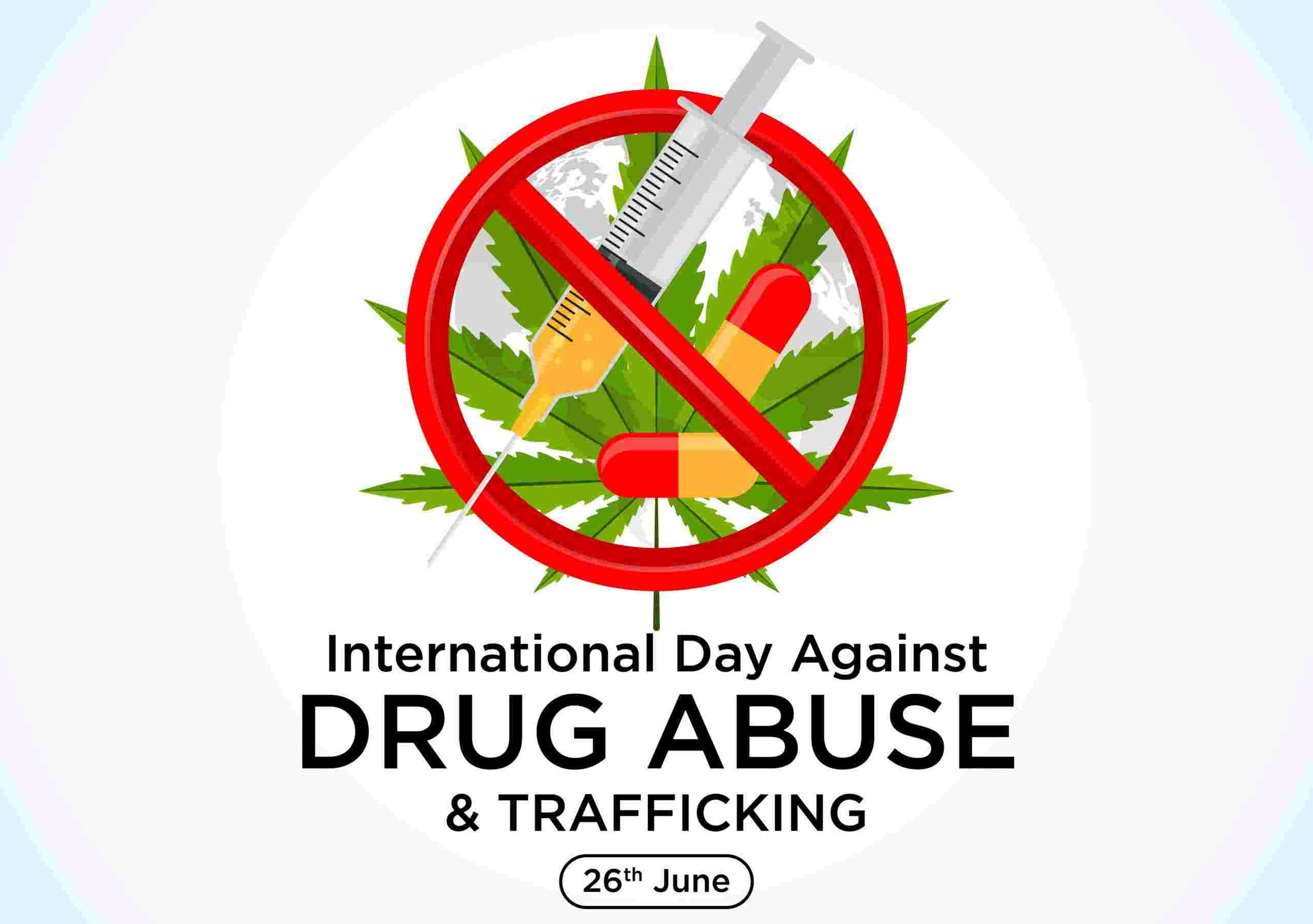
Every year on 26 June, the world observes the International Day Against Drug Abuse and Illicit Trafficking, also known as the World Drug Day. Established by the United Nations General Assembly in 1987, the day aims to strengthen global action and cooperation in achieving the goal of an international society free from drug abuse and illicit drug trafficking.
Drug addiction is one of the greatest social and public health challenges of the modern world. It affects individuals, families, communities, and nations by contributing to poor health, crime, poverty, violence, and social instability. The illicit drug trade also fuels organized crime, corruption, and conflict across many parts of the world.
The observance of this day encourages governments, organizations, educators, healthcare professionals, families, and individuals to work together to prevent drug abuse, support those affected by addiction, and promote healthier lifestyles.
History of the Observance
The United Nations General Assembly, through Resolution 42/112, proclaimed 26 June as the International Day Against Drug Abuse and Illicit Trafficking on 7 December 1987.
The observance was introduced to express the international community’s determination to strengthen cooperation in combating:
- Drug abuse.
- Illegal drug production.
- Drug trafficking.
- Drug-related crime.
- Substance dependence.
Since then, the day has been coordinated annually by the United Nations Office on Drugs and Crime (UNODC), with campaigns focusing on prevention, education, treatment, rehabilitation, and international cooperation.
Why Drug Abuse Is a Global Concern
Drug abuse affects millions of people worldwide regardless of age, gender, nationality, or economic background.
Commonly abused substances include:
- Cannabis.
- Cocaine.
- Heroin.
- Methamphetamine.
- Synthetic drugs.
- Prescription medicines used without medical supervision.
- Inhalants and other addictive substances.
The misuse of these substances can have devastating effects on physical health, mental well-being, education, employment, relationships, and overall quality of life.
Understanding Drug Addiction
Drug addiction, also known as substance use disorder, is a chronic condition in which a person becomes dependent on a substance despite its harmful consequences.
Addiction changes the way the brain functions, affecting judgment, self-control, and decision-making.
It is important to recognize that addiction is not simply a lack of willpower. Medical experts consider it a treatable health condition that often requires professional support, counseling, and long-term care.
Causes of Drug Abuse
There is no single reason why people become addicted to drugs. Several factors may contribute, including:
- Curiosity and experimentation.
- Peer pressure.
- Emotional stress.
- Mental health disorders.
- Family problems.
- Poverty and unemployment.
- Trauma and abuse.
- Easy availability of drugs.
- Lack of awareness about the dangers of substance abuse.
Understanding these causes helps communities design more effective prevention and treatment programs.
Harmful Effects of Drug Abuse
Drug abuse can have serious consequences for individuals and society.
Physical Health
Drug addiction may lead to:
- Heart disease.
- Liver damage.
- Lung disorders.
- Weakened immune system.
- Infectious diseases through unsafe needle sharing.
- Overdose and death.
Mental Health
Substance abuse can contribute to:
- Depression.
- Anxiety.
- Memory loss.
- Hallucinations.
- Psychosis.
- Increased risk of suicide.
Family and Social Life
Drug addiction often results in:
- Broken relationships.
- Domestic violence.
- Child neglect.
- Financial hardship.
- Social isolation.
- Loss of employment.
Crime and Public Safety
The illegal drug trade contributes to:
- Organized crime.
- Human trafficking.
- Violence.
- Money laundering.
- Corruption.
- Illegal arms trade.
Communities affected by drug trafficking often experience increased insecurity and reduced economic development.
Drug Abuse Among Young People
Young people are particularly vulnerable to substance abuse.
Factors such as peer influence, curiosity, social media, academic pressure, and emotional challenges may increase the risk.
Preventive education in schools and colleges plays a crucial role in helping young people:
- Make informed decisions.
- Resist peer pressure.
- Develop healthy coping mechanisms.
- Seek help when needed.
Parents, teachers, and mentors also have an important responsibility in guiding young people toward positive choices.
Prevention Is Better Than Cure
Preventing drug abuse requires cooperation at every level of society.
Effective prevention includes:
- Awareness campaigns.
- School-based education.
- Strong family support.
- Community engagement.
- Sports and cultural activities.
- Mental health services.
- Early identification of risk factors.
- Responsible media awareness.
Building confidence, resilience, and life skills among children and adolescents significantly reduces the likelihood of substance abuse.
Treatment and Rehabilitation
Recovery from addiction is possible.
Modern treatment may include:
- Medical care.
- Counseling.
- Psychological therapy.
- Rehabilitation programs.
- Family support.
- Peer support groups.
- Vocational training.
- Long-term follow-up care.
Treating individuals with compassion rather than stigma encourages more people to seek help.
The Role of Families
Families are often the first line of defense against drug abuse.
Parents and caregivers can help by:
- Maintaining open communication.
- Spending quality time with children.
- Recognizing warning signs.
- Encouraging healthy hobbies.
- Providing emotional support.
- Seeking professional assistance when necessary.
A loving and supportive home environment greatly reduces the risk of substance abuse.
The Role of Governments and Communities
Governments play an essential role through:
- Strong law enforcement.
- International cooperation.
- Border security.
- Public awareness campaigns.
- Accessible healthcare.
- Rehabilitation services.
- Research and policy development.
Communities, faith-based organizations, schools, healthcare providers, and non-governmental organizations also contribute by supporting prevention and recovery initiatives.
The Theme of World Drug Day
Each year, the United Nations Office on Drugs and Crime (UNODC) selects a theme highlighting different aspects of drug prevention, treatment, and international cooperation.
These themes encourage countries to strengthen evidence-based approaches that promote public health, protect human rights, and reduce the harms associated with illicit drugs and organized crime.
How Individuals Can Observe the Day
People can participate in meaningful ways by:
- Learning about the dangers of drug abuse.
- Sharing awareness through schools and social media.
- Supporting addiction recovery programs.
- Volunteering with community organizations.
- Encouraging healthy lifestyles.
- Offering compassion instead of stigma to those seeking recovery.
- Promoting mental health and emotional well-being.
Even small acts of awareness and support can make a significant difference.
Inspiring Messages
Some meaningful messages for the day include:
- “Choose Health, Not Drugs.”
- “A Drug-Free Life Is a Life Full of Possibilities.”
- “Prevention Begins with Education.”
- “Recovery Is Possible—Support Makes the Difference.”
- “Together We Can Build a Safer, Healthier, Drug-Free World.”
Conclusion
The International Day Against Drug Abuse and Illicit Trafficking reminds us that the fight against drugs is not solely the responsibility of governments or law enforcement agencies. It is a shared responsibility that involves families, schools, healthcare professionals, communities, and individuals working together to create a healthier and more compassionate society.
By promoting education, prevention, treatment, rehabilitation, and international cooperation, we can reduce the devastating impact of drug abuse and illicit trafficking. Let this day inspire us to support those struggling with addiction, reject stigma, and work toward a future where every person has the opportunity to live a healthy, productive, and drug-free life.
Leave a Reply