

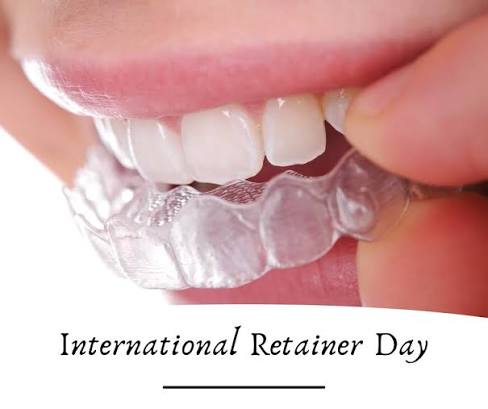
Every year on July 19, International Retainer Day reminds people around the world of one simple yet often overlooked truth: straight teeth stay straight only when retainers are worn consistently. While braces and clear aligners receive much of the attention during orthodontic treatment, retainers quietly perform the lifelong task of preserving the beautiful smile that treatment has achieved.
The observance serves as an educational initiative encouraging patients, orthodontists, dentists, and oral health advocates to spread awareness about the importance of retainers and long-term dental care. It is also an opportunity to recognize the professionals who help millions maintain healthy, confident smiles.
What Is International Retainer Day?
International Retainer Day is an annual awareness day dedicated to promoting the proper use of orthodontic retainers after braces or aligner treatment. It highlights the importance of maintaining the results of orthodontic care and preventing teeth from gradually shifting back to their original positions.
The day educates people about:
- The purpose of retainers
- Different types of retainers
- Proper cleaning and maintenance
- The consequences of not wearing retainers
- Long-term oral health habits
Although it is not an officially recognized international observance by governments or the United Nations, it has gained popularity among orthodontic professionals and dental organizations as an educational campaign.
Why July 19?
July 19 was chosen by advocates within the orthodontic community to encourage public awareness during the summer months, when many young patients complete orthodontic treatment and begin wearing retainers.
The timing also serves as a reminder before the new school year begins in many countries, helping students establish healthy retainer habits.
Understanding Orthodontic Retainers
A retainer is a custom-made dental appliance worn after orthodontic treatment to keep teeth in their corrected positions.
After braces are removed, teeth naturally tend to drift back because the surrounding gums, ligaments, and bone require time—and often lifelong support—to stabilize.
Without a retainer, much of the time, effort, and expense invested in orthodontic treatment can gradually be lost.
Why Teeth Move After Braces
Many people assume that once braces come off, treatment is complete. In reality, this is only the beginning of the maintenance phase.
Teeth move because:
- Periodontal ligaments remain elastic.
- Bone surrounding teeth continues to remodel.
- Natural aging changes jaw alignment.
- Everyday chewing forces affect tooth position.
- Wisdom teeth and other dental factors may influence alignment in some individuals.
This is why orthodontists often tell patients:
“Braces move your teeth; retainers keep them there.”
Types of Retainers
1. Hawley Retainer
The traditional removable retainer consists of:
- Acrylic base
- Metal wire
- Adjustable fit
Advantages
- Durable
- Easy to clean
- Adjustable
- Long-lasting
Disadvantages
- Visible wire
- Slightly bulkier
- May affect speech initially
2. Clear Plastic Retainer
Often similar in appearance to clear aligners, these retainers are transparent and fit snugly over the teeth.
Advantages
- Nearly invisible
- Comfortable
- Easy to wear
- Popular among adults
Disadvantages
- Can crack
- Must be replaced periodically
- Sensitive to heat
3. Fixed (Bonded) Retainer
A thin metal wire is permanently bonded behind the front teeth.
Advantages
- Always working
- Cannot be forgotten
- Invisible from the front
Disadvantages
- More difficult to clean
- Requires regular dental monitoring
- Wire can loosen
Why Wearing Retainers Matters
Retainers help preserve:
- Straight teeth
- Proper bite
- Jaw alignment
- Smile aesthetics
- Speech function
- Chewing efficiency
They also reduce the likelihood of requiring additional orthodontic treatment later in life.
Consequences of Not Wearing a Retainer
Failing to wear a retainer can result in:
- Teeth shifting
- Crowding
- Gaps reopening
- Bite problems
- Increased orthodontic costs
- Need for retreatment
In many cases, teeth begin moving within weeks or months after retainer use stops.
Caring for Your Retainer
Good maintenance extends the life of a retainer and promotes oral health.
Daily Cleaning
- Brush gently with a soft toothbrush.
- Use lukewarm water.
- Clean according to your orthodontist’s instructions.
- Store safely when not in use.
Avoid
- Hot water
- Harsh chemicals
- Wrapping in napkins (a common way retainers are accidentally thrown away)
- Leaving them where pets can chew them
Common Mistakes
Many patients unknowingly damage or lose retainers by:
- Forgetting to wear them
- Sleeping without them (when instructed otherwise)
- Leaving them in pockets
- Exposing them to heat
- Eating while wearing removable retainers
- Skipping dental check-ups
Oral Health Beyond the Retainer
A retainer works best when combined with healthy oral hygiene.
Dentists recommend:
- Brushing twice daily
- Flossing every day
- Drinking plenty of water
- Limiting sugary foods
- Visiting the dentist regularly
- Replacing worn retainers when necessary
Orthodontics and Self-Confidence
Orthodontic treatment offers benefits beyond aesthetics.
Properly aligned teeth can:
- Improve oral hygiene
- Enhance chewing efficiency
- Support clearer speech
- Reduce abnormal tooth wear
- Boost self-confidence
Retainers protect these long-term benefits.
Modern Advances in Orthodontics
Orthodontics has evolved significantly in recent decades.
Innovations include:
- Digital impressions
- 3D-printed retainers
- CAD/CAM technology
- Clear aligner systems
- Digital treatment planning
- Improved bonding materials
- Artificial intelligence-assisted orthodontic analysis
These technologies make retainers more comfortable, precise, and durable than ever before.
Fun Facts About Retainers
- Every retainer is custom-made.
- Teeth continue to shift naturally throughout life.
- Many orthodontists recommend nighttime retainer wear indefinitely.
- Pets are among the most common causes of retainer damage because they are attracted to the scent.
- Replacing a lost retainer is usually far less expensive than repeating orthodontic treatment.
Tips for Lifelong Smile Maintenance
- Wear your retainer exactly as prescribed.
- Keep it clean.
- Store it in its protective case.
- Schedule regular dental check-ups.
- Replace damaged retainers promptly.
- Never stop wearing your retainer without professional advice.
How to Observe International Retainer Day
Individuals can participate by:
- Wearing their retainer consistently.
- Scheduling an orthodontic check-up.
- Replacing damaged or lost retainers.
- Sharing oral health awareness on social media.
- Teaching children the importance of dental care.
- Thanking orthodontists and dental professionals for their work.
- Encouraging family and friends to maintain good oral hygiene.
Dental clinics and schools may also organize educational talks, free oral health screenings, and awareness campaigns to promote lifelong dental health.
Frequently Asked Questions
Do I need to wear a retainer forever?
Many orthodontists recommend wearing retainers at night indefinitely to maintain tooth alignment, though the exact schedule varies by individual. Follow your orthodontist’s advice.
Can teeth really move years after braces?
Yes. Teeth can gradually shift throughout life due to natural aging, changes in the supporting tissues, and everyday forces on the teeth.
What happens if I lose my retainer?
Contact your orthodontist as soon as possible. Delaying replacement increases the chance that your teeth will move.
Can I eat while wearing a removable retainer?
No. Most removable retainers should be taken out before eating and drinking anything except water.
How often should retainers be replaced?
Replacement depends on the type of retainer, wear, and care. Your orthodontist will advise when a replacement is needed.
A Smile Worth Protecting
International Retainer Day is more than a reminder to wear a small dental appliance—it is a celebration of lifelong oral health and the commitment required to preserve a confident smile. Orthodontic treatment represents months or even years of patience, discipline, and investment. A retainer ensures that this effort continues to pay off for decades to come.
As the saying goes, “The journey doesn’t end when the braces come off—it continues every night with your retainer.”
On this International Retainer Day, let us appreciate the science behind orthodontics, recognize the dedication of dental professionals, and commit ourselves to the simple daily habit that keeps healthy smiles lasting a lifetime.
Leave a Reply