

Supporting Mothers, Nourishing Babies, Building Healthier Communities
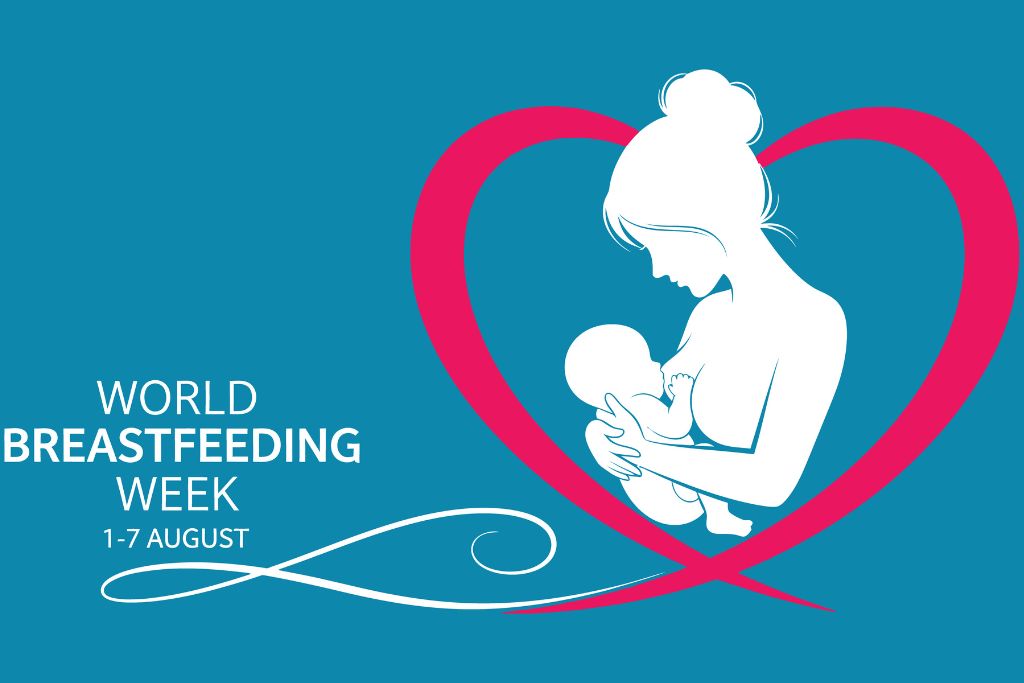
World Breastfeeding Week (WBW) is observed every year from August 1 to August 7 to promote the importance of breastfeeding for the health and well-being of infants, mothers, and society. Organized globally by the World Alliance for Breastfeeding Action (WABA), with support from the World Health Organization (WHO), United Nations Children’s Fund (UNICEF), governments, healthcare professionals, and community organizations, the campaign encourages actions that protect, promote, and support breastfeeding.
Recognized in more than 120 countries, World Breastfeeding Week highlights the vital role breastfeeding plays in giving every child the healthiest possible start in life while also benefiting mothers, families, and communities.
History of World Breastfeeding Week
World Breastfeeding Week was first celebrated in 1992 by the World Alliance for Breastfeeding Action (WABA). The campaign was inspired by the Innocenti Declaration of 1990, an international commitment developed by WHO and UNICEF to protect, promote, and support breastfeeding worldwide.
Since its inception, World Breastfeeding Week has grown into one of the largest public health campaigns, with annual themes focusing on issues such as maternal support, workplace policies, healthcare systems, environmental sustainability, and community involvement.
Why Breastfeeding Matters
Breastfeeding provides the ideal nutrition for infants. Breast milk contains the perfect balance of nutrients, antibodies, enzymes, and hormones needed for healthy growth and development.
It is a natural, safe, and cost-effective way to nourish babies while strengthening the bond between mother and child.
Benefits for Babies
Breastfeeding offers numerous health benefits for infants, including:
- Provides complete nutrition during the first six months of life.
- Strengthens the immune system through protective antibodies.
- Reduces the risk of respiratory and gastrointestinal infections.
- Lowers the likelihood of ear infections.
- Supports healthy brain development.
- Reduces the risk of allergies and asthma in some children.
- Decreases the risk of obesity and type 2 diabetes later in life.
- Promotes healthy emotional attachment and bonding.
Benefits for Mothers
Breastfeeding also supports maternal health by:
- Helping the uterus return to its normal size after childbirth.
- Reducing postpartum bleeding.
- Burning additional calories, which may assist postpartum weight loss.
- Lowering the risk of breast cancer.
- Reducing the risk of ovarian cancer.
- Decreasing the likelihood of type 2 diabetes in some women.
- Supporting emotional bonding with the baby.
- Offering convenience and reducing the cost of infant feeding.
Global Health Recommendations
The World Health Organization recommends:
- Exclusive breastfeeding for the first six months of a baby’s life, meaning no other foods or drinks are needed except prescribed medicines or vitamin supplements when recommended.
- Continued breastfeeding along with appropriate complementary foods until two years of age or beyond, as desired by the mother and child.
These recommendations are based on extensive scientific evidence showing significant health benefits for both mother and baby.
Challenges Many Mothers Face
Although breastfeeding is natural, it is often a learned skill that may require support.
Common challenges include:
- Difficulty with latching.
- Sore or cracked nipples.
- Low milk supply concerns.
- Returning to work.
- Lack of family or workplace support.
- Medical conditions affecting mother or baby.
- Social stigma surrounding breastfeeding in public.
Access to skilled healthcare providers, lactation consultants, family encouragement, and breastfeeding-friendly workplaces can make a significant difference.
Supporting Breastfeeding Mothers
Everyone has a role in creating an environment where mothers can successfully breastfeed.
Families can:
- Offer emotional encouragement.
- Share household responsibilities.
- Help mothers rest and recover.
Employers can:
- Provide paid maternity leave where possible.
- Offer flexible work arrangements.
- Create clean, private spaces for expressing milk.
- Allow adequate break times.
Healthcare providers can:
- Educate families before and after birth.
- Assist with breastfeeding techniques.
- Address concerns early.
Communities can:
- Normalize breastfeeding.
- Promote breastfeeding-friendly public spaces.
- Support peer counseling and mother-to-mother groups.
Breastfeeding and Sustainable Development
Breastfeeding contributes to several global development goals by:
- Improving child survival.
- Enhancing maternal health.
- Reducing healthcare costs.
- Supporting food security.
- Lowering environmental impact by reducing packaging, waste, and resource use associated with formula production.
It is one of the most sustainable ways to nourish infants.
Common Myths About Breastfeeding
Myth: Breastfeeding is easy for everyone.
Reality: Many mothers need guidance and encouragement, especially in the early days.
Myth: Formula and breast milk are always the same.
Reality: While infant formula is an important alternative when breastfeeding is not possible, breast milk contains living antibodies and other bioactive components that formula cannot fully replicate.
Myth: Mothers should stop breastfeeding when they return to work.
Reality: With supportive workplace policies and planning, many mothers continue breastfeeding or providing expressed breast milk after returning to work.
Myth: Small breasts produce less milk.
Reality: Breast size generally does not determine milk production.
How to Observe World Breastfeeding Week
You can support the campaign by:
- Learning about the benefits of breastfeeding.
- Encouraging expectant and new mothers.
- Sharing evidence-based information.
- Thanking healthcare professionals who support breastfeeding families.
- Advocating for breastfeeding-friendly workplaces and public spaces.
- Participating in awareness events and educational programs.
- Donating to organizations that promote maternal and child health.
Interesting Facts
- World Breastfeeding Week is celebrated every year from August 1–7.
- More than 120 countries participate in the annual campaign.
- Breast milk naturally changes over time to meet a baby’s developmental needs.
- Colostrum, the first milk produced after birth, is rich in antibodies and nutrients.
- Breastfeeding can help reduce infant mortality by protecting babies from common childhood illnesses.
- Skin-to-skin contact immediately after birth encourages successful breastfeeding and strengthens parent-child bonding.
- Breastfeeding benefits extend beyond infancy, supporting long-term health for both mother and child.
Inspirational Quotes
- “Every drop of breast milk is a gift of love and nourishment.”
- “Supporting mothers means supporting healthier generations.”
- “Breastfeeding begins with nature and succeeds with support.”
- “Healthy beginnings create brighter futures.”
- “A mother’s care is one of life’s greatest gifts.”
- “Small acts of support can make a lifelong difference for mothers and babies.”
- “Together we can build a world where every mother feels supported.”
- “Breastfeeding is nourished not only by mothers but by caring communities.”
- “Empowered mothers raise healthier children.”
- “The strongest foundation for a child begins with love, care, and support.”
A Prayer for Mothers and Infants
Loving God,
We thank You for the precious gift of new life. Bless all mothers with strength, wisdom, and good health as they care for their children. Grant comfort to those who face challenges in feeding their babies, and surround them with compassionate families, healthcare providers, and communities.
May every child receive the nourishment, love, and protection needed to grow in health and dignity. Guide us to create a world where every mother feels supported and every baby has the opportunity for a healthy beginning.
Amen.
Conclusion
World Breastfeeding Week is a global reminder that supporting breastfeeding is a shared responsibility. While every family’s circumstances are unique and feeding decisions should be made with appropriate medical guidance, ensuring that mothers have access to accurate information, compassionate care, and supportive environments helps give children the best possible start in life. By working together—families, healthcare providers, employers, policymakers, and communities—we can build healthier generations and a more caring world.
Leave a Reply