

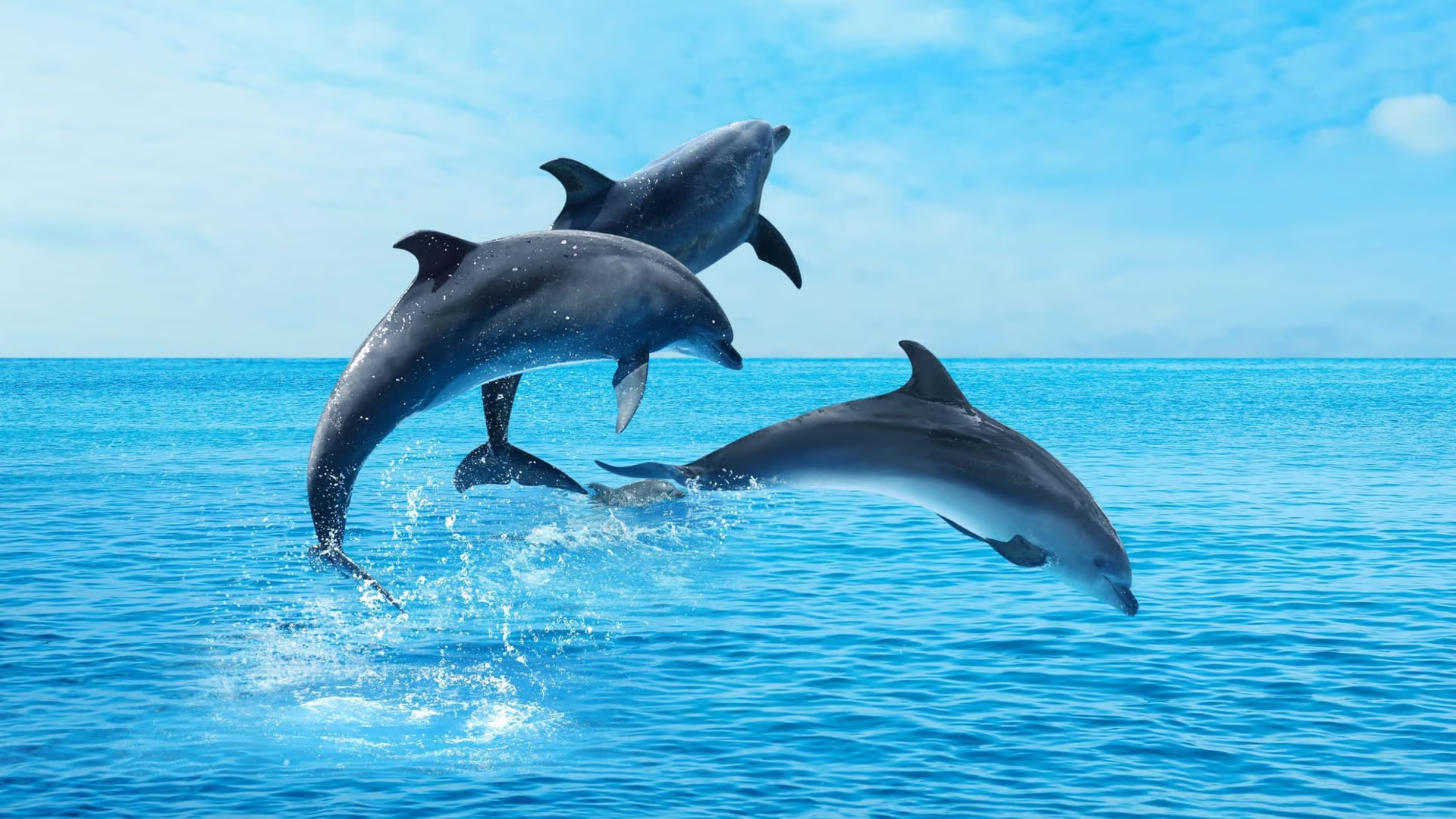
World Dolphin Day is observed to raise awareness about dolphins, their intelligence and social behavior, the threats they face, and the importance of protecting marine ecosystems.
Dolphins are among the most fascinating animals on Earth. Known for their intelligence, communication abilities, playful behavior and complex social relationships, they have captured the imagination of people around the world. Yet many dolphin species face serious threats from fishing activities, habitat degradation, pollution, underwater noise, hunting, climate change and human disturbance.
World Dolphin Day provides an opportunity to celebrate these remarkable marine mammals while encouraging responsible action to protect them and the oceans they inhabit.
What Is a Dolphin?
Dolphins are aquatic mammals belonging to the order Cetacea, which also includes whales and porpoises.
Although dolphins are commonly associated with the ocean, several species live primarily in rivers and freshwater systems.
Dolphins are mammals because they:
- Breathe air through lungs
- Give birth to live young
- Produce milk for their calves
- Maintain a relatively constant body temperature
- Have hair at some stage of their development
There are more than 40 recognized species of dolphins, including oceanic and river dolphins.
When Is World Dolphin Day?
The name World Dolphin Day is used for more than one dolphin-awareness observance, and dates can vary among organizations and campaigns.
A particularly important international dolphin-related observance is International Dolphin Day, associated with the conservation of dolphins and the International Whaling Commission’s work on cetacean conservation.
Because dolphin-awareness days are not governed by one universally recognized international calendar, it is useful to identify the specific organization or campaign when publishing a date.
Why Are Dolphins Important?
Dolphins are important components of marine and freshwater ecosystems.
They can help scientists understand the condition of aquatic environments because changes in dolphin populations, health and behavior may reveal problems in their ecosystems.
Dolphins also have an important cultural and educational value. Their intelligence and social behavior have inspired scientific research and encouraged people to learn more about marine conservation.
Most importantly, protecting dolphins often means protecting the wider ocean environment on which countless other species—and humans—depend.
Dolphin Intelligence
Dolphins are considered among the most intelligent non-human animals.
Their intelligence is reflected in their:
- Complex communication
- Social cooperation
- Problem-solving abilities
- Learning capacity
- Memory
- Hunting strategies
- Play behavior
- Ability to recognize individuals
Bottlenose dolphins have attracted particular scientific interest because of their sophisticated social behavior and communication.
Dolphins and Communication
Dolphins communicate using a variety of sounds, including:
- Clicks
- Whistles
- Burst-pulse sounds
- Body movements
- Physical contact
Their communication is still an active area of scientific research.
One of the most interesting discoveries is that individual bottlenose dolphins develop distinctive signature whistles, which can function somewhat like individual identity signals.
Echolocation
One of the dolphins’ most remarkable abilities is echolocation.
A dolphin produces clicking sounds. When the sound waves encounter an object, echoes return to the dolphin. The animal can use information from these echoes to help determine the object’s:
- Location
- Distance
- Size
- Shape
- Movement
Echolocation is especially useful for finding prey and navigating underwater environments.
Dolphin Social Life
Many dolphins are highly social animals.
They may live in groups called pods, although group size and social organization vary considerably among species.
Dolphins can cooperate in:
- Hunting
- Protecting calves
- Defending themselves
- Traveling
- Caring for injured or vulnerable members of their group
Their social lives are often complex and dynamic.
Dolphins and Their Calves
Dolphin calves depend heavily on their mothers during their early lives.
A mother dolphin provides:
- Milk
- Protection
- Guidance
- Social learning
- Assistance with swimming and feeding
Young dolphins gradually learn how to find food and interact with members of their social group.
What Do Dolphins Eat?
Most dolphins are carnivores.
Depending on the species and habitat, their diet can include:
- Fish
- Squid
- Shrimp
- Crustaceans
- Octopuses and other marine animals
Their hunting techniques vary widely.
Some dolphins cooperate to herd fish, while others search individually for prey.
Where Do Dolphins Live?
Dolphins can be found in many parts of the world.
They inhabit:
- Tropical oceans
- Temperate seas
- Coastal waters
- Continental-shelf areas
- Deep ocean environments
- Estuaries
- Rivers and freshwater systems
Different species have very different geographical ranges.
Famous Dolphin Species
Bottlenose Dolphin
The common bottlenose dolphin is perhaps the world’s best-known dolphin. It is recognized by its relatively robust body, curved dorsal fin and elongated beak.
Common Dolphin
The common dolphin is known for its distinctive coloration and is found in many temperate and tropical waters.
Spinner Dolphin
Spinner dolphins are famous for their spectacular spinning leaps out of the water.
Orca
The orca, or killer whale, belongs to the oceanic dolphin family and is the largest member of that family.
Amazon River Dolphin
Also called the boto, the Amazon river dolphin lives in freshwater ecosystems of South America.
Ganges River Dolphin
The Ganges river dolphin is a rare freshwater dolphin found in the river systems of the Indian subcontinent.
Indus River Dolphin
The Indus river dolphin is one of the world’s rarest cetaceans and is associated primarily with the Indus River system.
Dolphins in India
India is home to several dolphin species.
The Ganges river dolphin is particularly important to India’s freshwater biodiversity.
It is also India’s National Aquatic Animal.
The species is locally known in parts of India as susu, a name associated with the sound of its breathing.
Conservation of the Ganges river dolphin is closely connected with protecting river water quality, maintaining suitable habitat and reducing accidental deaths in fishing activities.
Major Threats to Dolphins
Despite their popularity, dolphins face numerous threats.
1. Bycatch
One of the most serious threats is accidental capture in fishing gear.
Dolphins can become entangled in:
- Gillnets
- Fishing lines
- Trawl nets
- Other fishing equipment
They may drown when they cannot reach the surface to breathe.
2. Pollution
Marine pollution can expose dolphins to harmful substances.
Pollution includes:
- Plastic waste
- Oil pollution
- Industrial chemicals
- Agricultural runoff
- Sewage
- Heavy metals
Because dolphins occupy relatively high positions in aquatic food webs, some pollutants can accumulate in their bodies.
3. Plastic Pollution
Plastic discarded into oceans and rivers can harm dolphins through:
- Ingestion
- Entanglement
- Habitat degradation
Reducing plastic pollution is therefore an important part of marine conservation.
4. Underwater Noise
Modern oceans are increasingly noisy.
Sources include:
- Shipping
- Construction
- Seismic surveys
- Military activities
- Industrial operations
Excessive underwater noise can interfere with dolphins’ communication, navigation and echolocation.
5. Habitat Destruction
Coastal development, dams, dredging, pollution and changes to river systems can destroy or alter important dolphin habitats.
This is particularly serious for freshwater dolphins, which often occupy restricted geographical ranges.
6. Hunting
Some dolphin populations have historically been hunted deliberately.
Where hunting continues, unsustainable levels of mortality can threaten vulnerable populations.
7. Climate Change
Climate change is altering marine and freshwater ecosystems.
Changes in:
- Ocean temperatures
- Prey distribution
- Sea levels
- River flows
- Weather patterns
- Ocean chemistry
may affect dolphins and the ecosystems on which they depend.
Dolphins as Indicators of Ocean Health
Dolphins can provide valuable information about environmental conditions.
Scientists can study:
- Population numbers
- Reproductive success
- Health
- Disease
- Body contaminants
- Feeding patterns
- Distribution
- Behavior
Such research can help identify changes in aquatic ecosystems.
Dolphins and Human Interaction
People are naturally attracted to dolphins, but close encounters can sometimes become harmful.
Responsible dolphin watching means:
- Keeping a safe distance
- Avoiding sudden approaches
- Not chasing dolphins
- Never feeding wild dolphins
- Avoiding attempts to touch them
- Following local wildlife regulations
- Choosing responsible tour operators
Wild animals should be observed without disrupting their natural behavior.
Why Should We Protect Dolphins?
Protecting dolphins is about more than saving one group of animals.
Dolphin conservation encourages us to protect:
- Oceans
- Rivers
- Wetlands
- Fish populations
- Coastal habitats
- Water quality
- Marine biodiversity
A healthy dolphin population is part of a healthy aquatic ecosystem.
How Can We Help Dolphins?
Individuals can contribute to dolphin conservation through simple actions.
Reduce Plastic Use
Use reusable alternatives and dispose of waste responsibly.
Keep Plastics Out of Waterways
Never throw plastic, fishing line or other waste into rivers, lakes or oceans.
Choose Sustainable Seafood
Where possible, support fisheries that use practices designed to reduce bycatch and protect marine ecosystems.
Support Conservation Organizations
Contribute to reputable organizations involved in marine-mammal research and conservation.
Avoid Harmful Wildlife Tourism
Choose wildlife experiences that prioritize animal welfare and responsible observation.
Learn About Local Dolphins
Learning about species found in nearby rivers, coasts and seas can encourage greater appreciation for local biodiversity.
25 Amazing Dolphin Facts
- Dolphins are mammals, not fish.
- They breathe air through lungs.
- Dolphins must regularly surface to breathe.
- Many dolphins live in social groups called pods.
- Dolphins use echolocation to help locate objects and prey.
- Their communication includes whistles, clicks and other sounds.
- Bottlenose dolphins can develop individual signature whistles.
- Dolphins are capable of complex social interactions.
- Some dolphin species cooperate while hunting.
- Dolphins have excellent hearing.
- They can live in both coastal and offshore environments, depending on species.
- Some dolphins inhabit freshwater rivers.
- The orca is the largest member of the dolphin family.
- Spinner dolphins are famous for spinning leaps.
- Dolphin calves depend heavily on their mothers.
- Dolphins are carnivores.
- Their diets commonly include fish and squid.
- Some dolphins use sophisticated hunting strategies.
- Dolphins can be affected by marine pollution.
- Fishing bycatch is a major conservation problem for many dolphin populations.
- Underwater noise can interfere with cetacean communication and behavior.
- Plastic pollution can injure or kill dolphins.
- The Ganges river dolphin is India’s National Aquatic Animal.
- Dolphins can provide useful information about aquatic ecosystem health.
- Protecting dolphins also helps protect the waters in which humans live and work.
World Dolphin Day Activities
Schools, colleges, environmental organizations and community groups can mark the day through:
Dolphin Drawing Competition
Ask children to draw dolphins and healthy ocean ecosystems.
Dolphin Quiz
Conduct a quiz about dolphin biology, habitats and conservation.
Documentary Screening
Show an educational documentary about dolphins or marine conservation.
Beach or River Cleanup
Organize a responsible cleanup of plastic and other waste.
Awareness Exhibition
Display photographs, posters, maps and facts about dolphins.
Essay Competition
Possible topics include:
- “Why Should We Save Dolphins?”
- “Dolphins and Ocean Health”
- “Plastic Pollution and Marine Life”
- “The Ganges River Dolphin”
School Presentation
Students can present short talks about dolphin species and their habitats.
Social Media Campaign
Share scientifically accurate dolphin facts and conservation messages.
World Dolphin Day Quotes and Messages
- Protect dolphins, protect the oceans.
- Healthy oceans need healthy wildlife.
- Let dolphins live wild and free.
- Every dolphin matters. Every ocean matters.
- Reduce plastic. Protect marine life.
- The future of dolphins depends on the future of our waters.
- Respect wildlife by observing, not disturbing.
- Save the seas, save the dolphins.
- A clean ocean is a safer home for dolphins.
- Dolphins remind us that intelligence and life flourish in healthy ecosystems.
- Protect rivers, protect dolphins, protect our future.
- Be a friend to dolphins: keep their waters clean.
A Short World Dolphin Day Pledge
“I pledge to respect dolphins and all marine life, reduce pollution, protect rivers and oceans, avoid disturbing wild animals, and encourage others to care for the aquatic ecosystems on which life depends.”
Conclusion
World Dolphin Day is an opportunity to admire one of the world’s most remarkable groups of animals while remembering the responsibility humans have toward the natural world.
Dolphins are intelligent, social and highly adapted creatures that have evolved to thrive in oceans and rivers. Their survival, however, increasingly depends on human choices.
By reducing pollution, improving fishing practices, protecting habitats, limiting harmful disturbance and supporting scientific conservation, we can help ensure that dolphins continue to swim in healthy oceans and rivers.
Leave a Reply