

Introduction
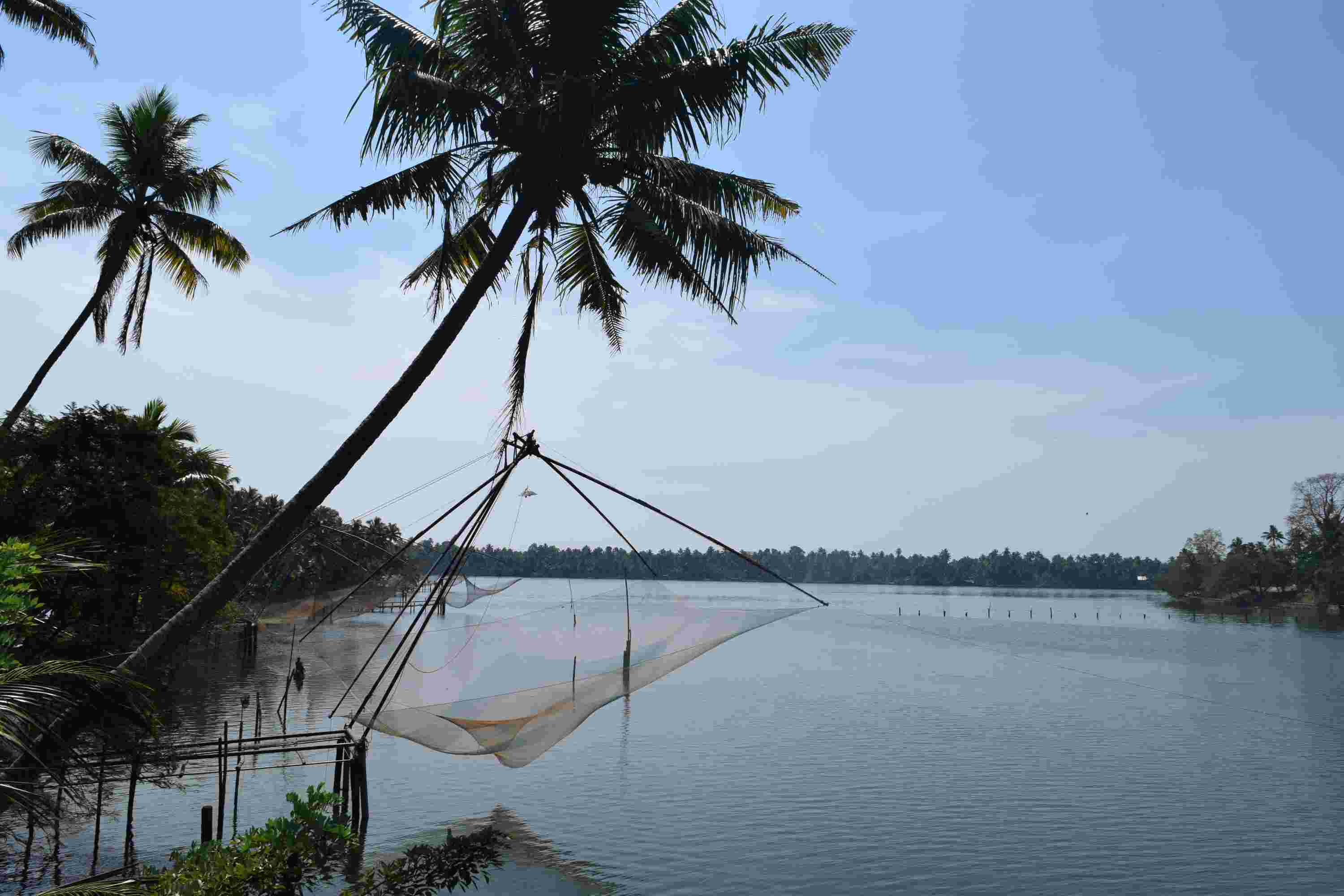
Kerala, popularly known as God’s Own Country, is famous for its beautiful lakes, peaceful backwaters, lagoons, and interconnected waterways. These natural and man-made water systems support fishing, agriculture, tourism, transportation, and the livelihoods of thousands of people. Vembanad Lake, Ashtamudi Lake, Sasthamkotta Lake, and the backwaters of Alappuzha are among Kerala’s most remarkable aquatic attractions.
This collection of 100 General Knowledge (GK) questions covers Kerala’s important lakes, backwaters, geographical features, tourism destinations, houseboats, ecology, and environmental conservation. It is useful for students, teachers, competitive examination candidates, quiz participants, and anyone interested in Kerala’s geography.
Section 1: Basic Knowledge About Kerala Lakes and Backwaters
- Which Indian state is particularly famous for its extensive backwater network?
- What are backwaters?
- Which is the largest lake in Kerala?
- Which is the longest lake in Kerala?
- Which is the largest freshwater lake in Kerala?
- Which is the deepest freshwater lake in Kerala?
- Which lake is famous for its scenic backwater tourism in Kollam?
- Which district is especially famous for houseboat tourism in Kerala?
- What is the major sea along the western coast of Kerala?
- What is the main source of freshwater entering Kerala’s lakes and backwaters?
Section 2: Vembanad Lake
- Which is the largest lake in Kerala?
- Vembanad Lake extends across which major Kerala districts?
- Which famous tourist destination is associated with the Kumarakom backwaters?
- Which important port city is situated near the northern part of the Vembanad lake system?
- Which lake is associated with the famous Nehru Trophy Boat Race region?
- Which agricultural region is protected from tidal flooding by the Thanneermukkom Bund?
- What is the main purpose of the Thanneermukkom Bund?
- Which lake is an important part of the Kuttanad wetland ecosystem?
- Which famous bird sanctuary is situated near Vembanad Lake?
- Into which sea does the Vembanad lake system ultimately connect?
Section 3: Ashtamudi Lake
- In which district is Ashtamudi Lake located?
- What does the Malayalam word “Ashtamudi” refer to?
- Which Kerala city is closely associated with Ashtamudi Lake?
- Ashtamudi Lake is famous for having how many prominent arms or channels?
- Which major waterway connects Ashtamudi Lake with the Arabian Sea?
- Which traditional mode of transport is popular in Ashtamudi Lake?
- Which lake is an important part of the Kollam backwater tourism circuit?
- What type of ecosystem is found around Ashtamudi Lake?
- Which important economic activity is supported by Ashtamudi Lake?
- Ashtamudi Lake is recognized internationally under which wetland conservation convention?
Section 4: Sasthamkotta Lake and Other Freshwater Lakes
- In which district is Sasthamkotta Lake situated?
- Which is the largest freshwater lake in Kerala?
- Which important town is located near Sasthamkotta Lake?
- What is the primary use of Sasthamkotta Lake?
- Which freshwater lake is associated with the drinking-water supply of Kollam?
- Which district contains the scenic Pookode Lake?
- Pookode Lake is located in which hill district of Kerala?
- Which freshwater lake is a popular tourist attraction near Kalpetta?
- Which small freshwater lake is located in the Wayanad highlands?
- What is one major difference between a freshwater lake and a coastal lagoon?
Section 5: Kerala Backwaters and Important Destinations
- Which Kerala town is widely regarded as a major centre of backwater tourism?
- Which district is home to the famous Alappuzha backwaters?
- Which town is known as the “Venice of the East” in Kerala?
- Which backwater destination is famous for its houseboat cruises near Kottayam?
- Which village is famous for backwater tourism near Kumarakom?
- Which lake and backwater system is associated with Munroe Island?
- In which district is Munroe Island located?
- Which backwater destination is located near the southern tip of Kerala?
- Which Kerala backwater destination is associated with the Kappil estuary?
- Which northern Kerala district is famous for the Valiyaparamba backwaters?
Section 6: Rivers, Canals and Connected Waterways
- Which river is an important contributor to the Vembanad lake system?
- Which river flows into Ashtamudi Lake?
- Which river is associated with the backwaters of Kollam and the Kallada irrigation region?
- Which river flows into Vembanad Lake after draining much of central Kerala?
- Which river is an important source of water for the Kuttanad region?
- Which historic canal connects parts of the Kollam and Alappuzha waterway network?
- What is the name of the national waterway that includes important sections of Kerala’s inland waterways?
- Which major inland waterway connects Kollam, Alappuzha, Kochi, and parts of northern Kerala?
- What is the main purpose of inland waterways?
- How do rivers and canals contribute to the formation and maintenance of Kerala’s backwaters?
Section 7: Boat Races and Cultural Importance
- Which famous boat race is held on Punnamada Lake?
- In which month is the Nehru Trophy Boat Race generally held?
- What type of traditional boat is used in Kerala’s famous snake boat races?
- Which traditional boat race is associated with the Aranmula region?
- On which river is the Aranmula Boat Race held?
- Which annual boat race is associated with the Payippad backwaters?
- Which boat race is traditionally associated with the Champakulam region?
- What is the traditional Malayalam name for a snake boat?
- Which festival season is particularly associated with Kerala’s traditional boat races?
- Why are boat races important to Kerala’s cultural heritage?
Section 8: Tourism and Houseboats
- Which Kerala destination is particularly famous for overnight houseboat stays?
- What is a traditional Kerala houseboat commonly called?
- What was the traditional use of kettuvallams before they became popular tourist houseboats?
- Which lake is a major attraction for houseboat cruises around Kumarakom?
- Which backwater destination is famous for canal cruises through narrow village waterways?
- Which district is famous for the houseboat tourism of Alappuzha?
- What type of scenery can tourists experience during Kerala backwater cruises?
- Which activity allows visitors to explore Kerala’s rural waterways using small traditional boats?
- How does backwater tourism support local communities?
- What is one important environmental responsibility of houseboat operators?
Section 9: Ecology, Wildlife and Wetland Conservation
- What is a wetland?
- Which internationally recognized wetland site in Kerala is famous for its extensive lake and backwater ecosystem?
- Which bird sanctuary near Kumarakom attracts migratory and resident birds?
- What role do wetlands play in flood management?
- How do mangroves benefit Kerala’s backwater ecosystems?
- Why are lakes and backwaters important habitats for fish?
- What is eutrophication?
- What is one major threat to Kerala’s lakes and backwaters?
- How does plastic pollution affect aquatic ecosystems?
- Why is the conservation of wetland biodiversity important?
Section 10: Environmental Awareness and General Knowledge
- Which human activity can reduce the water-holding capacity of lakes and backwaters?
- Why is untreated sewage harmful to lakes?
- What is the purpose of protecting lake catchment areas?
- How can local communities help conserve backwaters?
- Why is sustainable fishing important in Kerala’s lakes?
- What is one environmental risk associated with poorly managed houseboat tourism?
- How can wetland restoration help reduce the effects of climate change?
- Why should construction and land reclamation near lakes be carefully regulated?
- How do Kerala’s lakes and backwaters contribute to the state’s economy?
- Why is protecting Kerala’s lakes and backwaters important for future generations?
Answer Key
Answers 1–10
- Kerala.
- Networks of interconnected waterways, lagoons, lakes, canals, and estuaries, often influenced by tides.
- Vembanad Lake.
- Vembanad Lake.
- Sasthamkotta Lake.
- Sasthamkotta Lake is commonly described as Kerala’s deepest freshwater lake.
- Ashtamudi Lake.
- Alappuzha district.
- Arabian Sea.
- Rainfall and inflow from rivers and streams.
Answers 11–20
- Vembanad Lake.
- Alappuzha, Kottayam, Ernakulam, and adjoining areas of the wider lake system.
- Kumarakom.
- Kochi.
- Vembanad Lake, particularly the Punnamada stretch.
- Kuttanad.
- To regulate the entry of saline water into the southern part of Vembanad Lake and protect agricultural fields.
- Vembanad Lake.
- Kumarakom Bird Sanctuary.
- Arabian Sea.
Answers 21–30
- Kollam district.
- Eight arms or branches.
- Kollam.
- Eight.
- Neendakara estuary.
- Traditional boats and motorboats.
- Ashtamudi Lake.
- Brackish-water wetland and estuarine ecosystem.
- Fishing and inland navigation.
- Ramsar Convention on Wetlands.
Answers 31–40
- Kollam district.
- Sasthamkotta Lake.
- Sasthamkotta.
- Drinking-water supply.
- Sasthamkotta Lake.
- Wayanad district.
- Wayanad.
- Pookode Lake.
- Pookode Lake.
- A freshwater lake contains predominantly fresh water, while a coastal lagoon is generally separated partly from the sea and may contain brackish water.
Answers 41–50
- Alappuzha.
- Alappuzha district.
- Alappuzha.
- Kumarakom.
- Kumarakom.
- Ashtamudi Lake.
- Kollam district.
- Poovar.
- Kappil.
- Kasaragod district.
Answers 51–60
- Meenachil River, among other rivers and streams feeding the lake.
- Kallada River.
- Kallada River.
- Periyar River.
- Pamba River.
- Canals forming part of the West Coast Canal system, including the Kollam–Kottappuram waterway.
- National Waterway 3.
- West Coast Canal, designated in important sections as National Waterway 3.
- Transportation of people and goods, tourism, and connectivity between settlements.
- They supply freshwater and sediments and connect inland lakes, lagoons, and estuaries.
Answers 61–70
- Nehru Trophy Boat Race.
- August, generally.
- Snake boats, traditionally called chundan vallams.
- Aranmula Boat Race.
- Pamba River.
- Payippad Jalotsavam.
- Champakulam Moolam Boat Race.
- Chundan vallam.
- The Onam season.
- They preserve traditions, encourage community participation, and attract tourism.
Answers 71–80
- Alappuzha.
- Kettuvallam.
- Transporting rice, coconut products, and other goods.
- Vembanad Lake.
- Alappuzha.
- Alappuzha district.
- Green paddy fields, coconut groves, villages, canals, wetlands, and aquatic wildlife.
- Canoeing or traditional small-boat cruises.
- Through jobs, homestays, guiding, food services, boat operations, and local product sales.
- Proper sewage treatment and responsible disposal of waste.
Answers 81–90
- An area where water covers or saturates the soil permanently or seasonally.
- Vembanad-Kol Wetland.
- Kumarakom Bird Sanctuary.
- Wetlands store excess water and slow its movement during floods.
- They reduce erosion, provide wildlife habitats, and help protect shorelines.
- They provide feeding, breeding, and nursery habitats.
- Excessive nutrient enrichment of water, often causing algal growth and oxygen depletion.
- Pollution, encroachment, reclamation, and habitat degradation.
- It harms wildlife, damages habitats, and can introduce microplastics into food webs.
- It maintains ecological balance, supports food webs, and protects threatened species.
Answers 91–100
- Encroachment and reclamation.
- It introduces pathogens and nutrients, reduces water quality, and can deplete oxygen.
- To protect water quality, reduce erosion, and maintain water inflow.
- By reducing littering, supporting clean-up activities, protecting mangroves, and reporting pollution.
- It prevents overfishing and helps maintain healthy fish populations.
- Sewage discharge, oil pollution, and improper waste disposal.
- Healthy wetlands store carbon, support resilient ecosystems, and help manage floods.
- They can destroy habitats, obstruct drainage, and increase flood risks.
- Through tourism, fishing, transport, agriculture, and local employment.
- They protect freshwater resources, biodiversity, livelihoods, cultural traditions, and ecological health.
Concluding Comment
Kerala’s lakes and backwaters are more than scenic tourist destinations. They are vital ecosystems that sustain communities, support agriculture and fisheries, and preserve the natural beauty of the state. Protecting these waterways from pollution, encroachment, and irresponsible tourism is a shared responsibility.
Public Awareness Note
Keep Kerala’s lakes and backwaters clean. Avoid throwing plastic, food waste, and other rubbish into waterways. Support responsible tourism, conserve water, protect mangroves, and encourage sustainable fishing practices. Every citizen, visitor, business, and local authority has a role to play in preserving these precious natural resources for future generations.
Note for readers: These questions are intended for general educational use. Lake classifications, geographical boundaries, and waterway designations can vary between sources. For formal examinations or academic publications, verify technical details using official Kerala government, tourism, and wetland conservation references.
Leave a Reply