

Nelsapy | General Knowledge | Indian Epics | History and Literature
Introduction
The Mahabharata is one of the greatest epics of ancient India and one of the longest literary works in the world. Traditionally attributed to Sage Vyasa, it narrates the story of the Kuru dynasty, the rivalry between the Pandavas and Kauravas, and the great Kurukshetra War.
Beyond its account of a royal conflict, the Mahabharata explores profound themes such as dharma, justice, duty, devotion, loyalty, friendship, sacrifice, leadership and human nature. It also contains the celebrated Bhagavad Gita, one of the most influential spiritual and philosophical texts in Hindu tradition.
This collection contains more than 200 questions covering the characters, events, teachings, places, stories and cultural significance of the Mahabharata.
Instructions
- Read all 220 questions carefully.
- Each question has a corresponding answer in the answer key at the end.
- Try answering the questions before checking the answers.
- The questions cover both the main epic and well-known traditional accounts.
- Some details differ among regional and later retellings of the Mahabharata.
220 GK Questions About the Mahabharata
Section 1: General Knowledge and Background
- Who is traditionally regarded as the author of the Mahabharata?
- What is the original Sanskrit name of the Mahabharata?
- In which language was the Mahabharata originally composed?
- How many parvas, or major books, are traditionally found in the Mahabharata?
- Approximately how many shlokas does the Mahabharata contain according to tradition?
- Which Hindu deity is traditionally believed to have written down the Mahabharata as Vyasa dictated it?
- What is the name of the first parva of the Mahabharata?
- What is the name of the final parva of the Mahabharata?
- Which great war forms the central event of the Mahabharata?
- Between which two groups was the Kurukshetra War fought?
- For how many days did the Kurukshetra War last?
- In which present-day Indian state is Kurukshetra located?
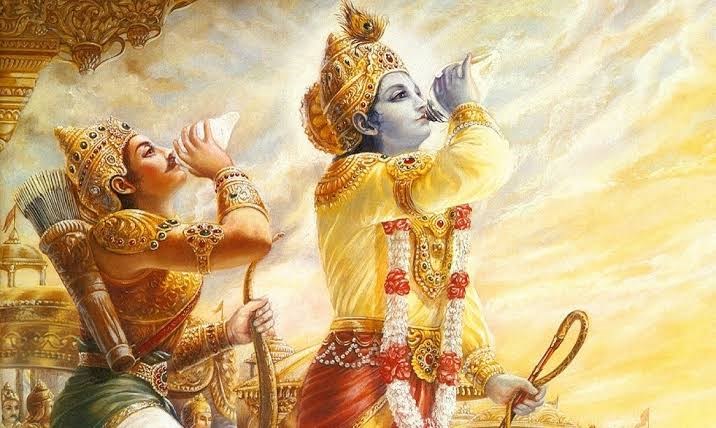
- What is the name of the philosophical dialogue between Krishna and Arjuna in the Mahabharata?
- How many chapters are traditionally found in the Bhagavad Gita?
- What is the main philosophical subject of the Bhagavad Gita?
Section 2: The Kuru Dynasty and Royal Family
- Who was the father of King Shantanu?
- Who was King Shantanu’s first wife?
- What was the name of Shantanu’s son born to Ganga?
- By what other name was Devavrata famously known?
- Who was Shantanu’s second wife?
- What were the names of Satyavati’s two sons?
- Who was the father of Dhritarashtra, Pandu and Vidura?
- Who was the mother of Dhritarashtra?
- Who was the mother of Pandu?
- Who was the mother of Vidura?
- Why was Dhritarashtra unable to become a conventional ruling king in the first instance?
- Who was the wife of Dhritarashtra?
- What was the name of Dhritarashtra’s eldest son?
- How many sons did Dhritarashtra traditionally have?
- What was the name of Dhritarashtra’s only daughter?
- Who was the wife of Pandu?
- What were the names of Pandu’s two wives?
- Why did Pandu leave the kingdom and live in the forest?
- Who became the mother of Yudhishthira?
- Who was the mother of Bhima and Arjuna?
- Who were the twin sons of Madri?
- Who was the mother of the Kauravas?
- Who was the grandfather of the Pandavas and Kauravas?
- Who was the teacher and guardian of the Kuru princes during their childhood?
- Who was the chief royal adviser known for his wisdom and righteousness?
Section 3: The Five Pandavas
- Who was the eldest of the five Pandavas?
- What was the other name of Yudhishthira?
- Which divine figure was regarded as the father of Yudhishthira?
- Who was the second Pandava?
- Which deity was regarded as the father of Bhima?
- Who was the third Pandava?
- Which deity was regarded as the father of Arjuna?
- Who were the fourth and fifth Pandavas?
- Which divine twins were regarded as the fathers of Nakula and Sahadeva?
- Which Pandava was particularly famous for his strength?
- Which Pandava was the greatest archer?
- Which Pandava was especially skilled in swordsmanship and horse care?
- Which Pandava was known for his knowledge of astrology and wisdom?
- Who was the common wife of the five Pandavas?
- What was the name of the mother of the five Pandavas?
- What was the name of Yudhishthira’s kingdom after the division of the Kuru kingdom?
- What was the name of the magnificent city built by the Pandavas?
- Who helped the Pandavas establish their kingdom after their exile?
- Which Pandava was known for his strict commitment to truth and dharma?
- Which Pandava killed Duryodhana in the final mace battle?
Section 4: Draupadi and Other Important Characters
- Who was the father of Draupadi?
- What was the name of Draupadi’s brother?
- From which sacrificial fire was Draupadi said to have emerged?
- What was Draupadi also known as?
- Which Pandava won Draupadi’s hand in her swayamvara?
- What difficult task did Arjuna perform at Draupadi’s swayamvara?
- Why did Draupadi become the wife of all five Pandavas?
- Who was the son of Arjuna and Subhadra?
- Who was the mother of Abhimanyu?
- Who was the wife of Abhimanyu?
- What was the name of Abhimanyu’s son?
- Who was the father of Ghatotkacha?
- Who was the mother of Ghatotkacha?
- Who was the father of Karna?
- Who was Karna’s mother?
- What was the name of Karna’s foster father?
- Who was Karna’s foster mother?
- What kingdom did Karna rule?
- Who was the wife of Duryodhana?
- Who was Duryodhana’s closest friend and ally?
Section 5: Krishna and Other Divine Characters
- Who was Krishna’s father?
- Who was Krishna’s mother?
- Who was Krishna’s elder brother?
- Who was the sister of Krishna who married Arjuna?
- What was Krishna’s role in the Kurukshetra War?
- Which side did Krishna support in the war?
- Did Krishna personally fight with weapons during the Kurukshetra War?
- What did Krishna offer to Arjuna and Duryodhana before the war?
- Who chose Krishna as his charioteer?
- What was the name of Krishna’s famous conch shell?
- What was the name of Arjuna’s conch shell?
- What was the name of Bhima’s conch shell?
- What was the name of Yudhishthira’s conch shell?
- Which divine weapon was associated with Lord Shiva?
- Who granted Arjuna the Pashupatastra?
- Who was the divine charioteer of the Sun God?
- Which deity gave Karna his natural armour and earrings at birth?
- Who was the mother of Ganesha?
- Which sage was traditionally associated with the composition of the Mahabharata?
- Which divine being is traditionally said to have written the epic?
Section 6: The Great Kurukshetra War
- Where was the great battle of the Mahabharata fought?
- How many Akshauhinis of armies participated in the Kurukshetra War?
- How many Akshauhinis fought on the Pandava side?
- How many Akshauhinis fought on the Kaurava side?
- Who was the first commander-in-chief of the Kaurava army?
- Who became the commander-in-chief of the Kaurava army after Bhishma fell?
- Who led the Kaurava army after Drona’s death?
- Who became the commander of the Kaurava army after Karna’s death?
- Who was the commander-in-chief of the Pandava army?
- Who killed Bhishma?
- Who killed Dronacharya?
- Who killed Karna?
- Who killed Duryodhana?
- Who killed Dushasana?
- Who killed Jayadratha?
- Who killed Shakuni?
- Who killed Bhurishrava?
- Who killed Ghatotkacha?
- Who killed Abhimanyu?
- On which day of the war did Bhishma fall?
- On which day of the war did Dronacharya die?
- On which day of the war did Karna die?
- On which day did Duryodhana fall in battle?
- Which warrior fought against Bhima in the final mace duel?
- What was the name of the formation that trapped Abhimanyu?
Section 7: Important Events and Episodes
- What was the name of the game that led to the Pandavas losing their kingdom?
- Who invited Yudhishthira to the game of dice?
- Who played the dice game on behalf of the Kauravas?
- What happened to Draupadi after Yudhishthira lost the dice game?
- Who attempted to disrobe Draupadi in the royal assembly?
- Who protected Draupadi when she was being humiliated?
- For how many years were the Pandavas sent into exile?
- How many years of exile had to be spent in the forest?
- How many years had to be spent in incognito?
- Where did the Pandavas spend their final year of exile?
- What identity did Yudhishthira assume during the incognito period?
- What identity did Bhima assume?
- What identity did Arjuna assume?
- What identity did Nakula assume?
- What identity did Sahadeva assume?
- What identity did Draupadi assume?
- Who discovered the Pandavas during their incognito period?
- Which king helped the Pandavas during the events at Virata’s kingdom?
- What was the name of the palace where the Pandavas were trapped during the plot to burn them alive?
- Who warned the Pandavas about the plan to burn the palace?
- How did the Pandavas escape from the burning palace?
- Who killed Bakasura?
- Who killed Hidimba?
- Who was the woman who became Bhima’s wife after he killed Hidimba?
- What was the name of the forest associated with the Pandavas’ early exile?
Section 8: Weapons, Warriors and Military Formations
- What was the name of Arjuna’s famous bow?
- Who gave the Gandiva bow to Arjuna?
- What was the name of Karna’s famous divine weapon?
- Which weapon did Karna use against Ghatotkacha?
- What was the name of Bhishma’s famous weapon?
- Which weapon was associated with Dronacharya?
- What was the name of Arjuna’s chariot?
- Who drove Arjuna’s chariot during the Kurukshetra War?
- What was the name of Arjuna’s flag symbol?
- Which divine being was depicted on Arjuna’s chariot flag?
- What is the name of the powerful divine weapon associated with Brahma?
- Which weapon is associated with Lord Vishnu and is often described as a spinning disc?
- What was the name of the celestial weapon associated with Lord Indra?
- Which weapon was used by Ashwatthama after the war?
- What was the name of the circular military formation used in the Kurukshetra War?
- What was the name of the formation arranged like a needle or pointed formation?
- Which warrior was famous for his mace fighting?
- Who taught the Kuru princes the art of warfare?
- Who taught Karna the use of divine weapons?
- Which warrior was famous for his skill with the bow and arrow besides Arjuna?
Section 9: Important Places and Kingdoms
- What was the capital of the Kuru kingdom?
- What was the name of the kingdom ruled by the Pandavas?
- What was the capital of the Pandavas’ kingdom?
- Which kingdom was ruled by Drupada?
- What was the capital of the Panchala kingdom?
- Which kingdom was ruled by King Virata?
- What was the capital of the Matsya kingdom?
- Which kingdom was ruled by Jarasandha?
- What was the capital of Magadha during the time of Jarasandha?
- Which kingdom was associated with Krishna?
- What was the capital city of the Yadavas after their migration?
- Which kingdom was ruled by Shishupala?
- Which kingdom was associated with Karna?
- What was the name of the kingdom ruled by the Gandhara royal family?
- Which region was associated with Shakuni?
- What was the name of the forest where the Pandavas spent part of their exile?
- Which sacred river is frequently mentioned in the Mahabharata?
- Which city is traditionally associated with the Pandavas’ final journey toward heaven?
- Which Himalayan mountain is associated with the Pandavas’ final journey?
- Where did the Pandavas’ final ascent toward heaven take place?
Section 10: Bhagavad Gita and Philosophy
- Who delivered the teachings of the Bhagavad Gita?
- To whom were the teachings of the Bhagavad Gita delivered?
- On which occasion was the Bhagavad Gita taught?
- What was Arjuna’s main reason for refusing to fight at the beginning of the war?
- What is Karma Yoga?
- What is Bhakti Yoga?
- What is Jnana Yoga?
- According to the Bhagavad Gita, what is the eternal nature of the soul?
- What does the Sanskrit word “Dharma” broadly mean?
- What is the central message of Nishkama Karma?
- Which chapter of the Bhagavad Gita describes Krishna’s universal form?
- What is the name of Krishna’s universal form?
- What does the Bhagavad Gita teach about performing one’s duty?
- Which philosophical concept explains the cycle of birth and rebirth?
- What is Moksha?
Section 11: Later Events, Legacy and Cultural Influence
- Who became the king of Hastinapura after the Kurukshetra War?
- Who was the son of Abhimanyu and Uttara?
- Who protected the unborn child of Uttara from Ashwatthama’s weapon?
- Who became the successor of the Pandavas?
- What was the name of the great horse sacrifice performed by Yudhishthira?
- Which sage guided Yudhishthira during the Ashwamedha sacrifice?
- Who narrated the story of the Mahabharata to King Janamejaya?
- Who was King Janamejaya’s father?
- What was the name of the snake sacrifice performed by Janamejaya?
- Which parva describes the final journey of the Pandavas?
- Who was the first Pandava to fall during the final journey?
- Which Pandava reached heaven with Yudhishthira in the form of a dog?
- What is the name of the famous Javanese shadow-puppet tradition that presents stories from the Mahabharata?
- What is the name of the traditional Indonesian version of the Mahabharata?
- What is the lasting cultural and philosophical significance of the Mahabharata?
Answer Key – Mahabharata GK Questions
Answers 1–20
- Sage Vyasa.
- Jaya, traditionally considered an early form or title of the epic.
- Sanskrit.
-
- Approximately 100,000 shlokas.
- Lord Ganesha.
- Adi Parva.
- Svargarohana Parva.
- The Kurukshetra War.
- The Pandavas and the Kauravas.
- 18 days.
- Haryana.
- The Bhagavad Gita.
- 18 chapters.
- Dharma, duty, self-realisation and the path to spiritual liberation.
Answers 21–40
- Chitrangada and Vichitravirya.
- Sage Vyasa.
- Ambika.
- Ambalika.
- A maidservant of the royal household.
- He was born blind.
- Gandhari.
- Duryodhana.
- 100 sons.
- Duhshala.
- Kunti and Madri.
- Kunti and Madri.
- He was cursed that he would die if he approached his wives with desire.
- Kunti.
- Kunti.
- Nakula and Sahadeva.
- Gandhari.
- Bhishma was their grand-uncle and the senior patriarch of the Kuru family.
- Dronacharya.
- Vidura.
Answers 41–60
- Yudhishthira.
- Dharmaraja.
- Yama, the god of dharma and justice.
- Bhima.
- Vayu, the wind god.
- Arjuna.
- Indra.
- Nakula and Sahadeva.
- The Ashwini Kumaras.
- Bhima.
- Arjuna.
- Nakula.
- Sahadeva.
- Draupadi.
- Kunti.
- Indraprastha.
- Indraprastha.
- Krishna supported and guided the Pandavas.
- Yudhishthira.
- Bhima.
Answers 61–80
- King Drupada.
- Dhrishtadyumna.
- A sacrificial fire.
- Panchali and Krishnaa.
- Arjuna.
- He struck the target by shooting an arrow at a difficult revolving target while observing its reflection.
- Kunti unknowingly instructed her sons to share what they had brought home, and the marriage was subsequently accepted through divine and traditional explanations.
- Abhimanyu.
- Subhadra.
- Uttara.
- Parikshit.
- Bhima.
- Hidimbi.
- Surya, the Sun God.
- Kunti.
- Adhiratha.
- Radha.
- Anga.
- Bhanumati, according to popular traditional accounts.
- Karna.
Answers 81–100
- Vasudeva.
- Devaki.
- Balarama.
- Subhadra.
- He served as Arjuna’s charioteer, guide and spiritual teacher.
- He supported the Pandavas.
- No. He had promised not to take up weapons in the war.
- His personal assistance without weapons or his army, the Narayani Sena.
- Arjuna.
- Panchajanya.
- Devadatta.
- Paundra.
- Anantavijaya.
- Pashupatastra.
- Lord Shiva.
- Aruna.
- Surya.
- Parvati.
- Sage Vyasa.
- Lord Ganesha.
Answers 101–125
- Kurukshetra.
- 18 Akshauhinis.
- 7 Akshauhinis.
- 11 Akshauhinis.
- Bhishma.
- Dronacharya.
- Karna.
- Shalya.
- Dhrishtadyumna.
- Arjuna, with Shikhandi positioned before him.
- Dhrishtadyumna.
- Arjuna.
- Bhima.
- Bhima.
- Arjuna.
- Sahadeva.
- Satyaki.
- Karna.
- The Kaurava warriors collectively, including Drona, Karna, Kripa, Ashwatthama, Kritavarma and others.
- The tenth day.
- The fifteenth day.
- The seventeenth day.
- The eighteenth day.
- Bhima.
- Chakravyuha.
Answers 126–150
- The game of dice.
- Duryodhana, through an invitation arranged by the Kaurava court.
- Shakuni.
- She was humiliated and dragged into the royal assembly.
- Dushasana.
- Lord Krishna, according to the celebrated devotional account.
- Thirteen years.
- Twelve years.
- One year.
- The kingdom of Matsya, ruled by King Virata.
- Kanka.
- Ballava.
- Brihannala.
- Granthika.
- Tantipala.
- Sairandhri.
- Duryodhana and the Kaurava forces discovered them after the incognito period was completed.
- King Virata.
- Lakshagriha, the house of lac.
- Vidura.
- They escaped through a secret underground tunnel.
- Bhima.
- Bhima.
- Hidimbi.
- Kamyaka Forest and Dwaita Forest are among the forests associated with their exile.
Answers 151–170
- Gandiva.
- The Gandiva was given to Arjuna by Varuna, through Agni’s request.
- Vijaya, according to traditional accounts.
- Vasavi Shakti, the divine weapon given by Indra.
- Bhishma was especially skilled with the bow and other weapons; no single universally accepted personal weapon name defines him.
- Brahmastra and other divine weapons.
- Arjuna’s celestial chariot is not consistently given a separate personal name in the epic.
- Krishna.
- A flag bearing the image of Hanuman.
- Hanuman.
- Brahmastra.
- Sudarshana Chakra.
- Vajra.
- Brahmashirastra.
- Chakravyuha.
- Such formations varied by battle description; the Krauncha formation is a well-known military arrangement.
- Bhima and Duryodhana.
- Dronacharya.
- Parashurama.
- Karna.
Answers 171–190
- Hastinapura.
- Kuru kingdom.
- Indraprastha.
- Panchala.
- Kampilya is traditionally associated with southern Panchala.
- Matsya.
- Viratanagara.
- Magadha.
- Girivraja, also known as Rajagriha.
- The Yadava kingdom.
- Dwaraka.
- Chedi.
- Anga.
- Gandhara.
- Gandhara, traditionally associated with the region of present-day northwestern Pakistan and eastern Afghanistan.
- Kamyaka Forest.
- The Ganga.
- The Himalayas and the northern mountain regions.
- The Himalayas.
- The Himalayas, during the Mahaprasthana or Great Journey.
Answers 191–205
- Lord Krishna.
- Arjuna.
- On the battlefield of Kurukshetra, before the war began.
- He did not want to fight and kill his relatives, teachers and friends.
- The path of selfless action and duty.
- The path of devotion to God.
- The path of knowledge and spiritual understanding.
- The soul is eternal and cannot be destroyed.
- Righteousness, duty, moral order and the proper way of living.
- Perform one’s duty without attachment to the fruits of one’s actions.
- Chapter 11.
- Vishvarupa.
- One should perform one’s prescribed duty with sincerity and without selfish attachment.
- Samsara.
- Liberation from the cycle of birth and rebirth.
Answers 206–220
- Yudhishthira.
- Parikshit.
- Lord Krishna.
- Parikshit.
- Ashwamedha Yajna.
- Sage Vyasa is associated with guiding the royal family; the Ashwamedha Parva narrates the sacrifice and its related events.
- Vaishampayana.
- Abhimanyu.
- Sarpa Satra.
- Mahaprasthanika Parva.
- Draupadi.
- Yudhishthira.
- Wayang Kulit.
- Kakawin Bharatayuddha is a famous Old Javanese retelling of the Mahabharata’s war narrative.
- It is a major source of Indian philosophy, ethics, literature, spirituality, cultural traditions and reflections on human life.
Concluding Comment
The Mahabharata is much more than a story about a war between two royal families. It is a profound exploration of human character, moral choices, ambition, loyalty, justice, sacrifice and the responsibilities of life.
The lives of the Pandavas and Kauravas remind us that even powerful people must face the consequences of their actions. The Bhagavad Gita, spoken by Krishna to Arjuna, continues to inspire millions through its teachings on duty, devotion, wisdom and selfless action.
The Mahabharata teaches us that the greatest victory is not merely defeating an enemy, but overcoming injustice, selfishness and ignorance within ourselves.
Editorial Note
This quiz is prepared for students, teachers, competitive examination candidates, general knowledge enthusiasts and readers interested in Indian epics. It draws on the traditional Mahabharata narrative and widely known interpretations. Certain names, episodes and details vary across Sanskrit, regional and later retellings. Readers are encouraged to explore the original epic and its different literary traditions for a deeper understanding.
Nelsapy – Knowledge for Everyone.
Leave a Reply