

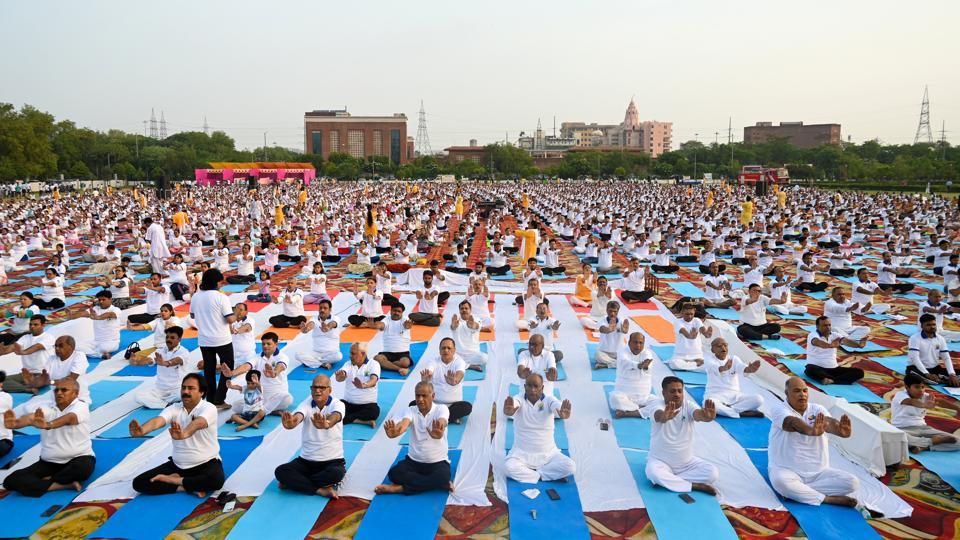
Every year on 21 June, millions of people across the globe come together to celebrate International Day of Yoga, a day dedicated to promoting physical health, mental well-being, and inner peace through the ancient practice of yoga. More than just a form of exercise, yoga is a holistic discipline that unites the body, mind, and spirit, helping individuals lead healthier and more balanced lives.
The Origins of Yoga
Yoga is one of the oldest systems of physical, mental, and spiritual development known to humanity. Originating in India thousands of years ago, it is deeply rooted in ancient philosophical traditions. The word “yoga” comes from the Sanskrit word yuj, which means “to unite” or “to join.” This reflects yoga’s fundamental purpose: the union of body, mind, and soul.
Over the centuries, yoga has evolved into various forms and practices, yet its central goal remains the same—to promote harmony within oneself and with the world around us.
How International Day of Yoga Began
The idea of an international day dedicated to yoga was proposed by Narendra Modi during his address to the United Nations General Assembly in September 2014. The proposal received overwhelming support from member nations, and on 11 December 2014, the United Nations officially declared 21 June as the International Day of Yoga.
The first celebration took place on 21 June 2015 and witnessed unprecedented participation from people across the world. Since then, the day has grown into a global movement promoting health, wellness, and unity.
Why Is Yoga Day Celebrated on 21 June?
The date of 21 June was chosen because it marks the Summer Solstice, the longest day of the year in the Northern Hemisphere. In yogic traditions, this day holds special significance as it symbolizes light, energy, and spiritual awakening.
The summer solstice is considered a time when nature is at its peak vitality, making it an ideal occasion to celebrate practices that nurture human well-being and personal growth.
The Importance of Yoga in Modern Life
In today’s fast-paced world, people face increasing levels of stress, anxiety, and lifestyle-related diseases. Yoga offers a natural and effective way to maintain physical health and emotional balance.
Physical Benefits
Regular yoga practice can:
- Improve flexibility and posture.
- Increase strength and endurance.
- Enhance respiratory and cardiovascular health.
- Support healthy weight management.
- Reduce the risk of various chronic diseases.
Mental and Emotional Benefits
Yoga also contributes significantly to mental wellness by:
- Reducing stress and anxiety.
- Improving concentration and memory.
- Promoting emotional stability.
- Encouraging mindfulness and self-awareness.
- Enhancing overall happiness and life satisfaction.
Spiritual Benefits
For many practitioners, yoga is also a spiritual journey. Through meditation and self-reflection, individuals learn to cultivate inner peace, compassion, and a deeper understanding of themselves and others.
Popular Yoga Practices
Yoga encompasses a variety of postures, breathing techniques, and meditation practices. Some of the most commonly practiced forms include:
- Surya Namaskar (Sun Salutation)
- Tadasana (Mountain Pose)
- Vrikshasana (Tree Pose)
- Bhujangasana (Cobra Pose)
- Pranayama (Breathing Exercises)
- Meditation and Mindfulness Practices
These techniques help improve both physical fitness and mental clarity, making yoga accessible to people of all ages.
Yoga as a Global Movement
Today, yoga is practiced in nearly every country in the world. Schools, universities, workplaces, community centers, and healthcare institutions increasingly recognize its value. On International Day of Yoga, people participate in mass yoga sessions, workshops, seminars, and awareness campaigns that emphasize the importance of healthy living.
The day serves as a reminder that wellness is not merely the absence of illness but a balanced state of physical, mental, and spiritual well-being.
The Message of Yoga
One of the greatest gifts of yoga is its universal message of unity. Yoga transcends boundaries of nationality, religion, language, and culture. It teaches that true well-being arises when individuals live in harmony with themselves, with others, and with nature.
In a world often marked by division and conflict, yoga offers a path toward peace, understanding, and compassion. Its principles encourage people to cultivate patience, discipline, gratitude, and respect for all forms of life.
Conclusion
International Day of Yoga is more than a celebration of physical exercise; it is a global recognition of a timeless practice that promotes health, harmony, and inner transformation. As millions of people roll out their yoga mats each year on 21 June, they participate in a shared journey toward greater well-being and unity.
Whether you are a beginner or an experienced practitioner, Yoga Day is an invitation to pause, breathe, and reconnect with yourself. By embracing the wisdom of yoga, we can build healthier lives, stronger communities, and a more peaceful world.
“Yoga is the journey of the self, through the self, to the self.” — Bhagavad Gita
Leave a Reply